Short Home Outages
Keeping the fridge, Wi-Fi and phones alive for hours
DJI · Large
2.05 kWh of storage, 2 kW of continuous AC output, listed at $1,036.99. That works out to $0.51 per watt-hour and 42.2 watt-hours per pound. Spec figures below are taken from DJI’s own product page; WattPicks editors are deep-use experience reviewers, not a pretend third-party lab for every SKU.
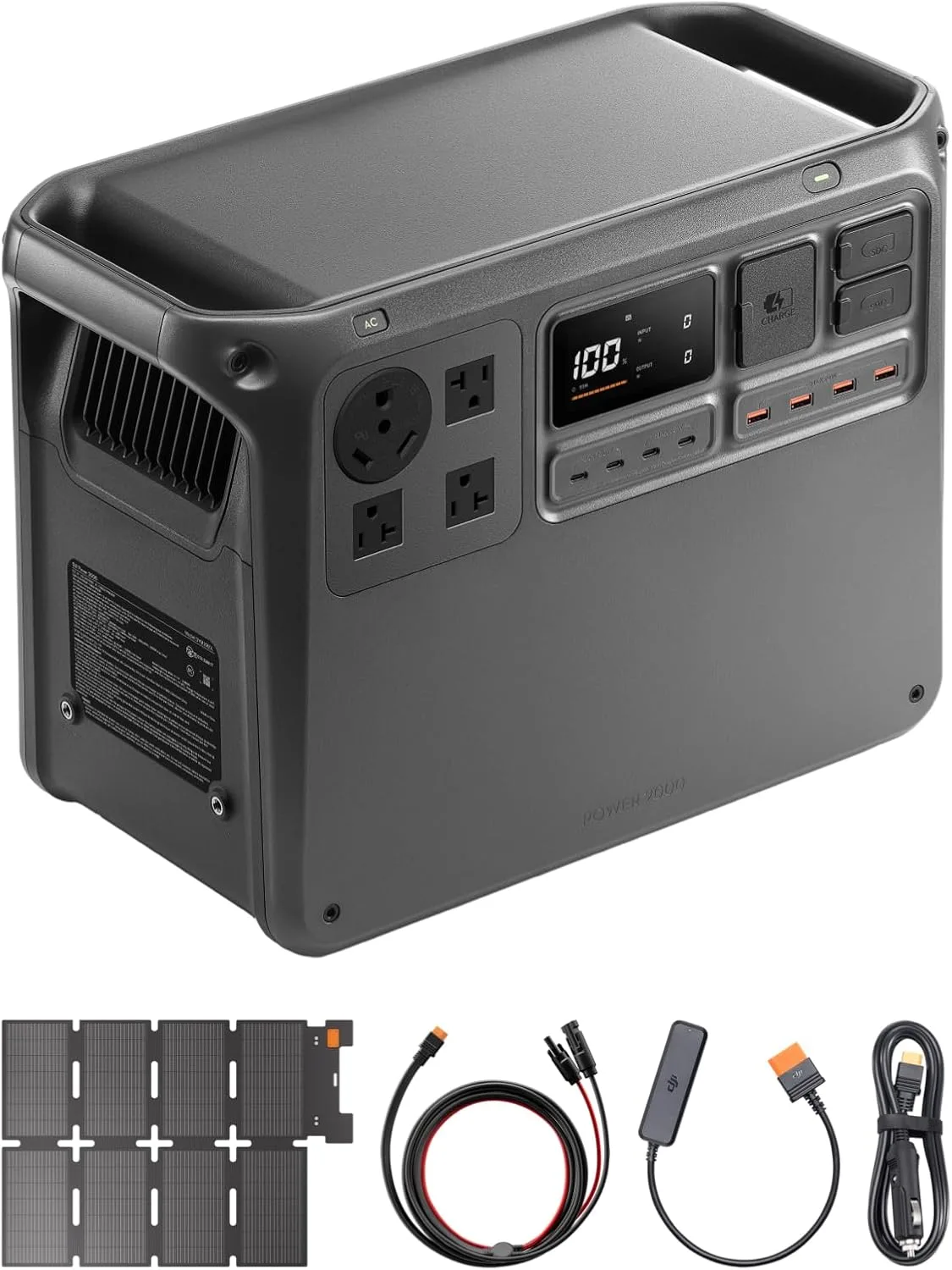
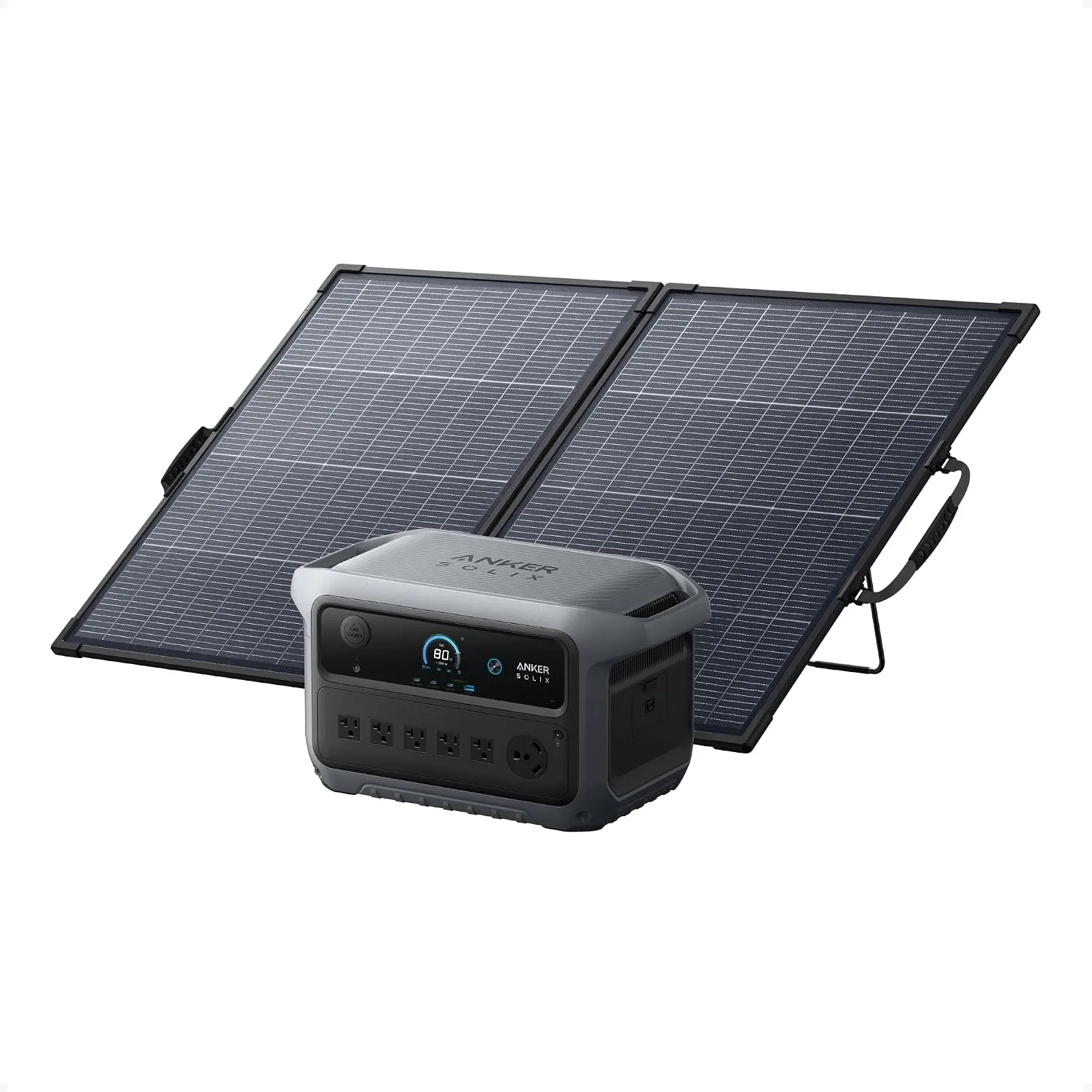
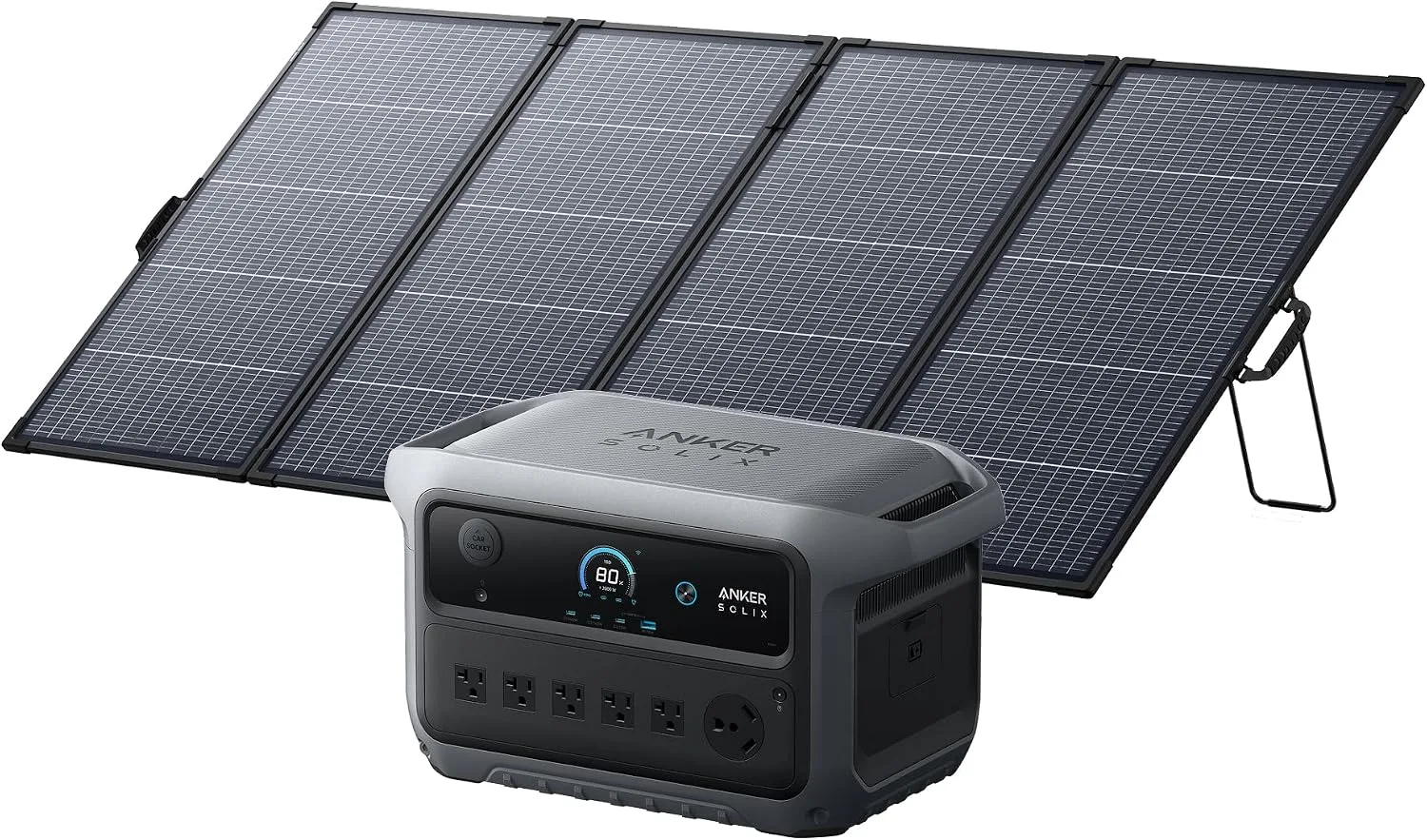
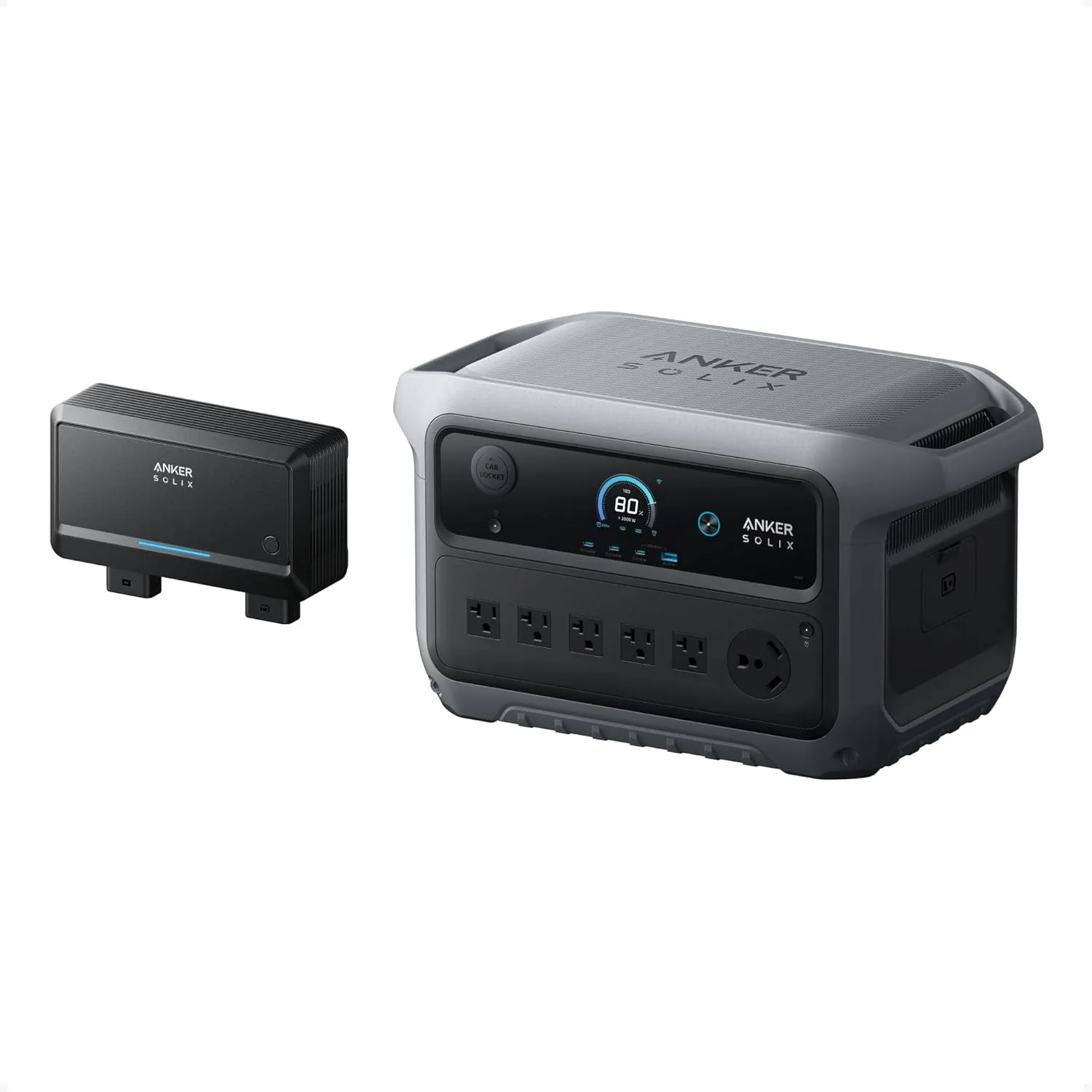
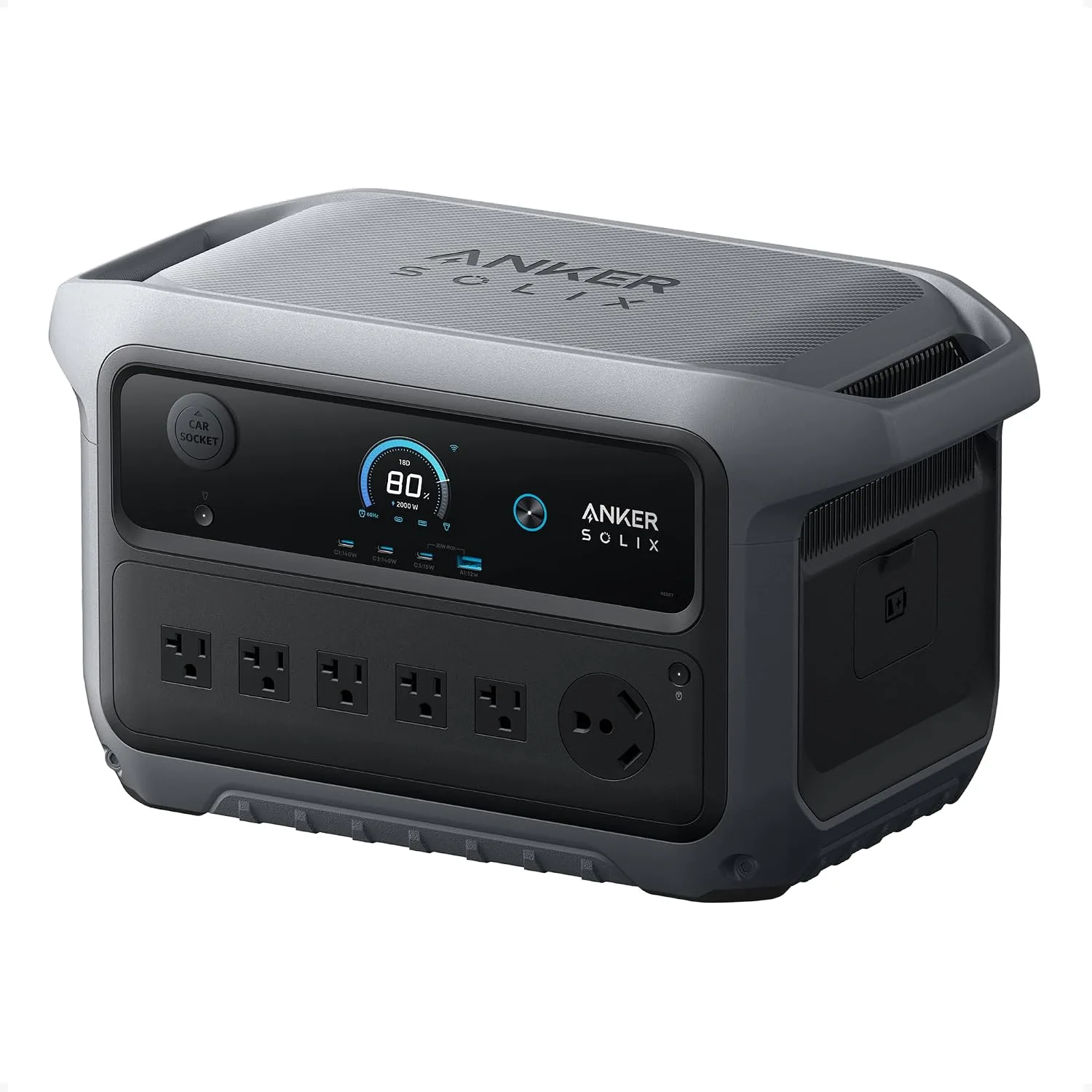
Further photographs published by DJI for this model. We use the manufacturer’s own product imagery rather than stock photography, so what you see is the actual unit.
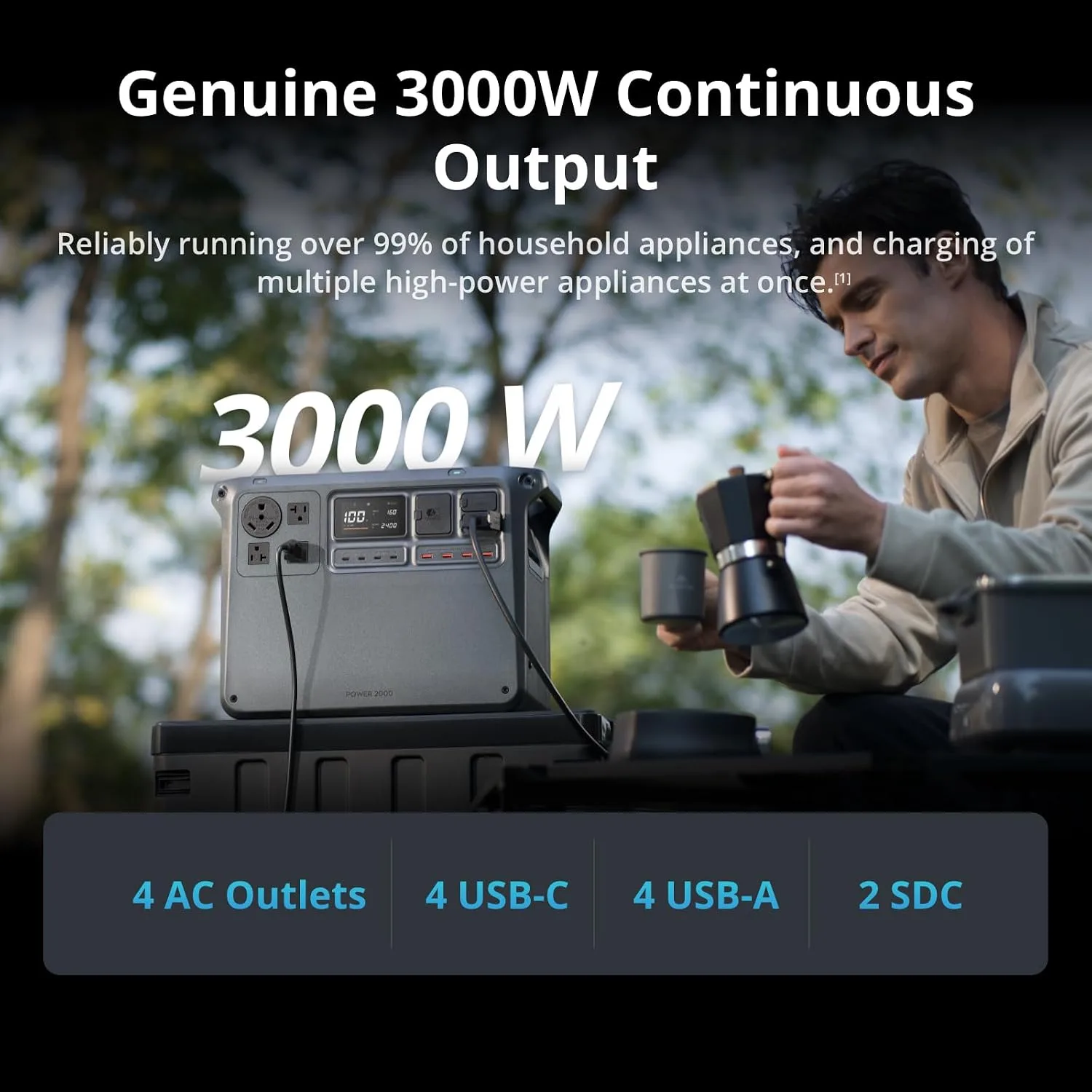
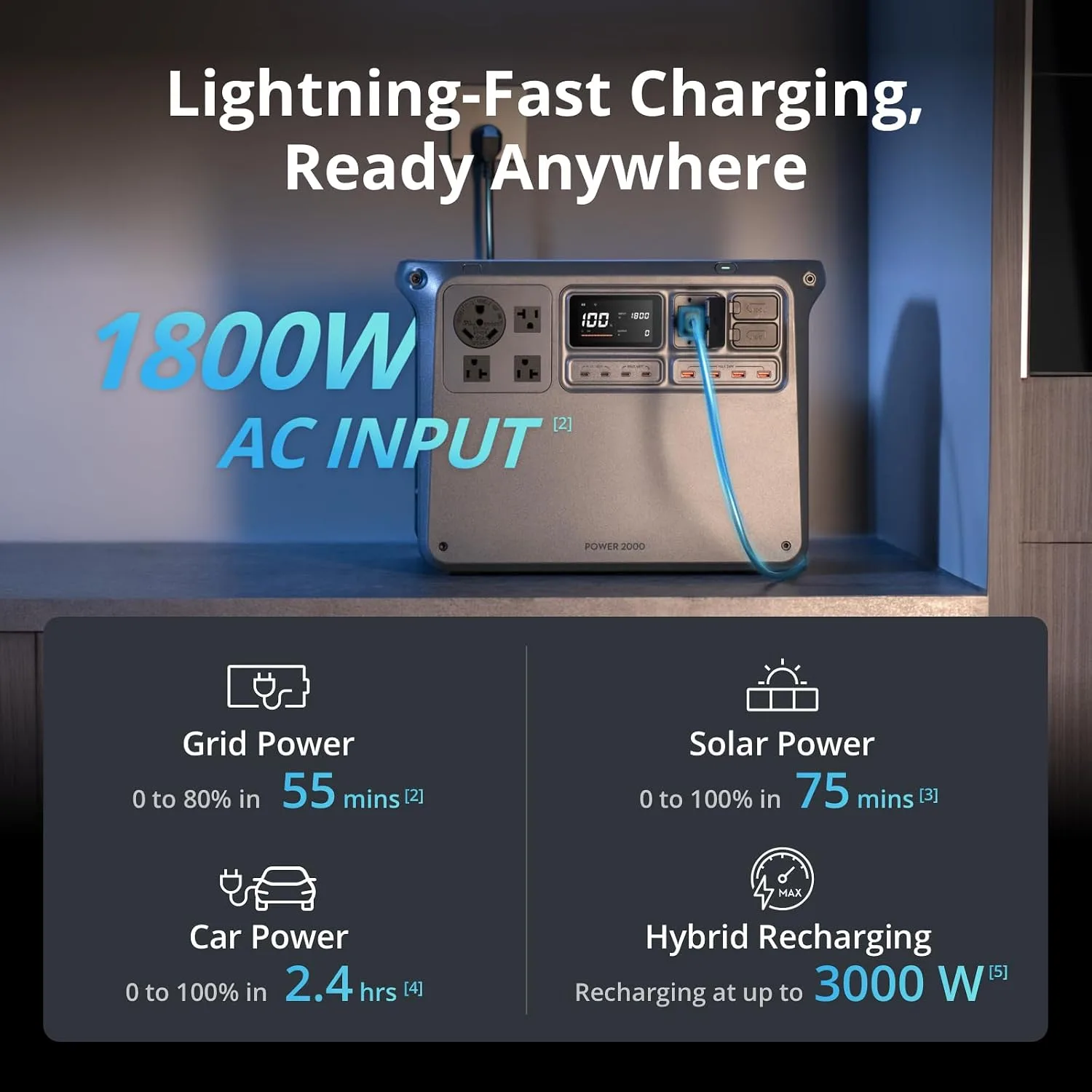
Station + panel kit
This listing is a kit variant of the DJI station line — the box includes about 100W of solar panel(s) per the vendor title / Included Components. Specs in the table describe the power station; kit extras are called out in the model name so this page is not confused with the station-only SKU.
What this unit is for
A premium late entrant leaning on fast charging and tight integration with DJI's own cameras and drones.
Best suited to: DJI owners who want the fastest field recharge and already trust the brand. Less suited to: Off-gridders and home-backup buyers who need expandable capacity.
Home backup through an outage, RV living.
A tracked retailer link appears here only when we have a resolved offer for this model. We do not send readers to a manufacturer store page we cannot attribute.
Safety: lithium power stations store a lot of energy. Follow DJI’s charge, ventilation, and storage instructions. WattPicks does not certify electrical installs.
9 of 19 tracked specs are published by DJI for this model. Missing specs stay “—” and are excluded from rankings rather than estimated. List price is commercial data in a separate table below ($1,036.99); it is not one of the 19 tracked keys.
| Rated Wh (nameplate) | 2.05 kWh |
|---|---|
| AC output (continuous) | 2 kW |
| AC surge | — |
| Power lifting / boost | — |
| Battery chemistry | LiFePO4 |
| Rated cycles | 4,000 |
| Weight | 48.5 lb |
| AC recharge to full | — |
| Max solar input | — |
| AC outlets | 4 |
| USB-C ports | 4 |
| USB-A ports | 4 |
| 12V car port | — |
| UPS switchover | — |
| Warranty | 60 months |
| Max expandable capacity | — |
| Noise level | — |
| Ingress protection | — |
| Operating temp (low) | — |
| List price | $1,036.99 |
|---|
Where these numbers come from. WattPicks does not test power stations — this is a spec profile, not a review. Every figure on this page is taken from DJI’s own product listing and is stored with the vendor’s exact wording, reproduced below. We do not estimate missing specs — a field the vendor does not publish is shown as “—” and excluded from rankings. Source: dji.com.
capacityWh: “Capacity => 2048 Wh”acOutputW: “2000W output power”chemistry: “LFP (lithium ferrophosphate)”cycleLife: “4000 cycles”weight: “Approx. 22 kg”acOutlets: “AC Output × 4”usbCPorts: “From left to right, the max output power for C1 and C2 ports is 140 W, and for C3 and C4 ports is 65 W.”usbAPorts: “USB-A × 4”warrantyMonths: “The default warranty period is three years. You can get an additional two-year warranty period by downloading the DJI Home app, and completing the first connection.”2.05 kWh capacity; 2 kW continuous AC; 48.5 lb; LiFePO4; listed at $1,036.99. 9 of 19 tracked specs are published by DJI on the product page we read. List price is shown separately ($1,036.99).
The vendor rates it for 4,000 cycles with LiFePO4 chemistry. Runtime on a given day is capacity divided by load (with inverter losses) — see our guide on how long a power station lasts.
No maximum solar input is published on the product page we read, so we cannot state a solar ceiling for this model.
At the published list price it works out to $0.51 per watt-hour. Compare that figure on our cost-per-watt-hour ranking rather than price alone.
Still sizing the purchase? How much capacity do I need · Solar charge time · Jackery vs EcoFlow vs BLUETTI
Keeping the fridge, Wi-Fi and phones alive for hours
Remote work, film and photo production away from wall power
Living and working from a vehicle, on solar and alternator charging
Cabins, sheds, job sites and self-built systems
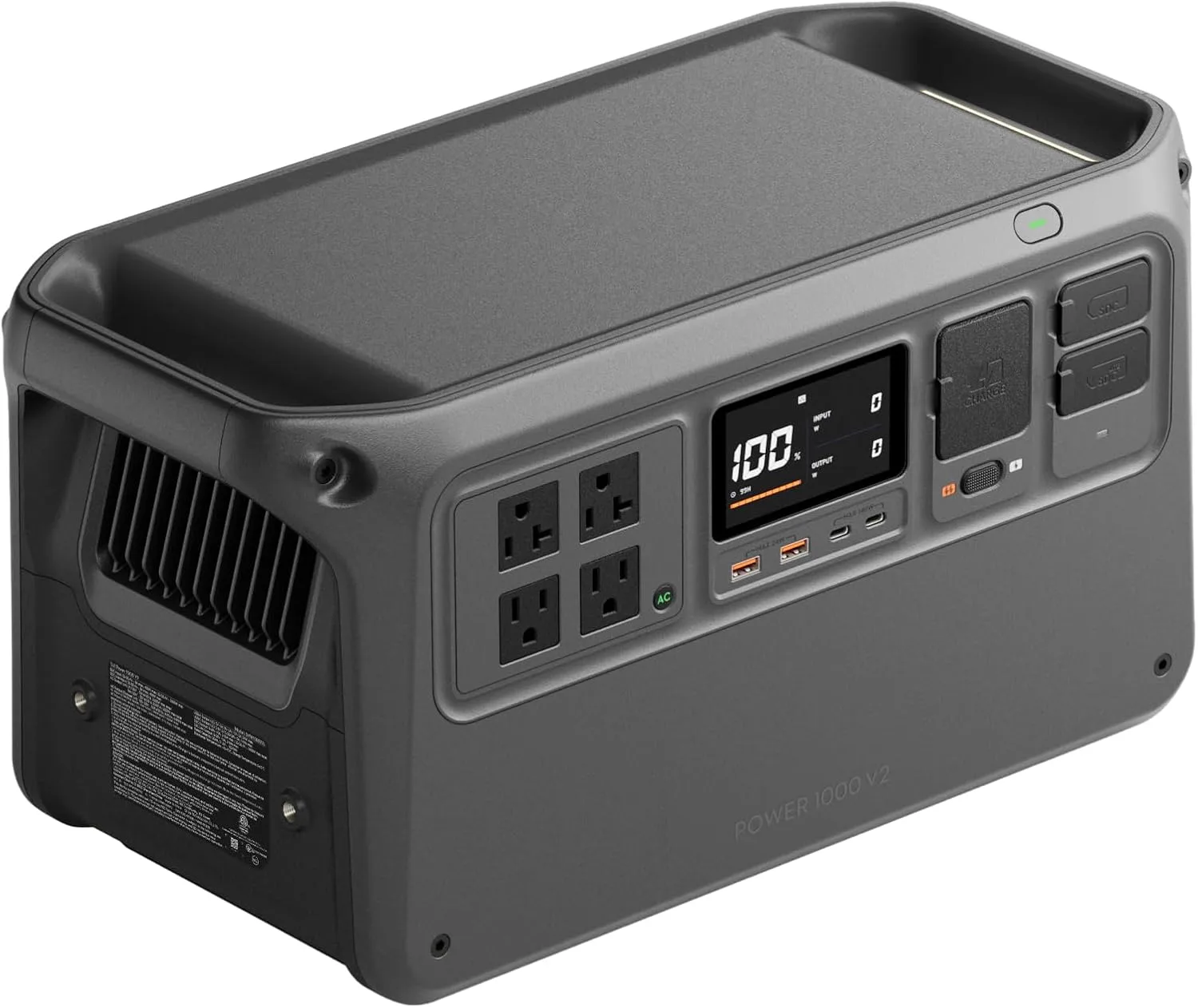
Other brands’ models nearest in capacity — the units a buyer is most likely to be comparing against this one.