
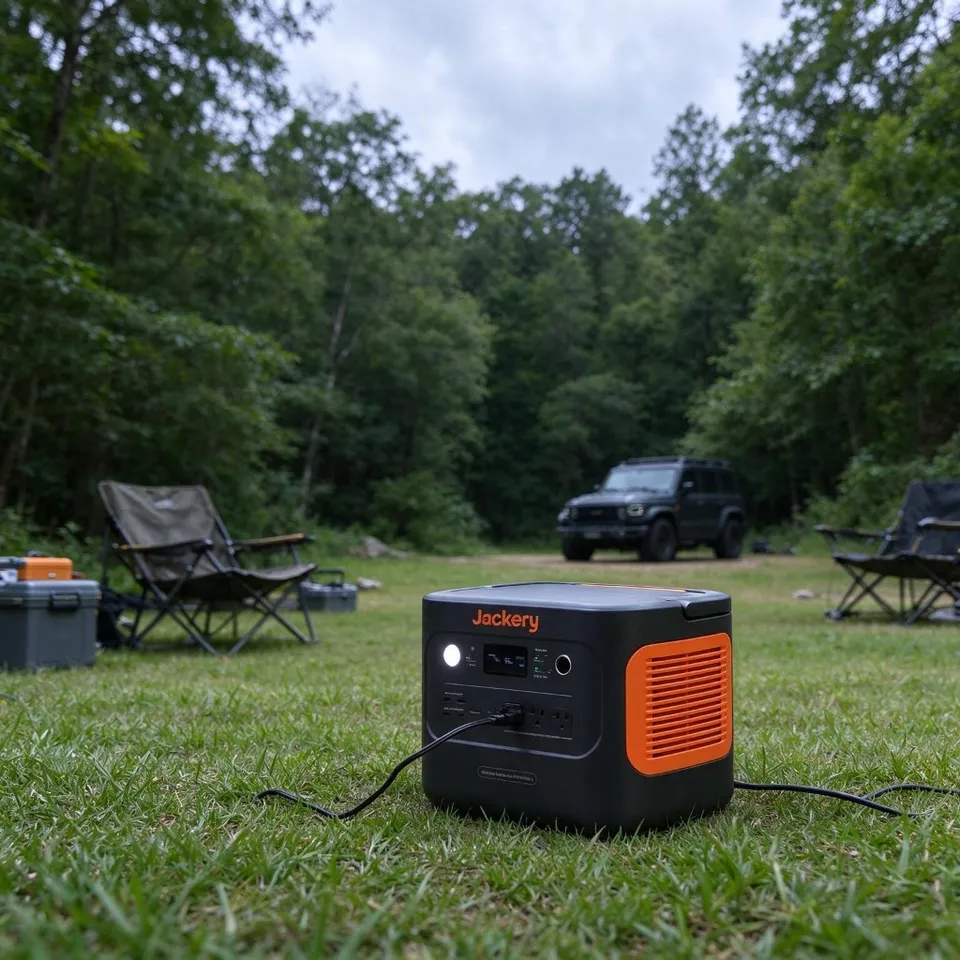
Camping & Overlanding
Car camping, weekend trips and vehicle-based travel
Camping buyers fear weight first and capacity second. Here is how to size a station for phones, lights, a fridge and a CPAP — and which brands actually fit a vehicle load-out.
Buy by job
One product category, four different purchases. Start with the job you actually have — camping, a short home outage, RV/van life, or overnight CPAP — then open the matching hub, best-of guide, and Power Fit shortlist from the same catalog.
Car camping, weekend trips and vehicle-based travel
Camping buyers fear weight first and capacity second. Here is how to size a station for phones, lights, a fridge and a CPAP — and which brands actually fit a vehicle load-out.
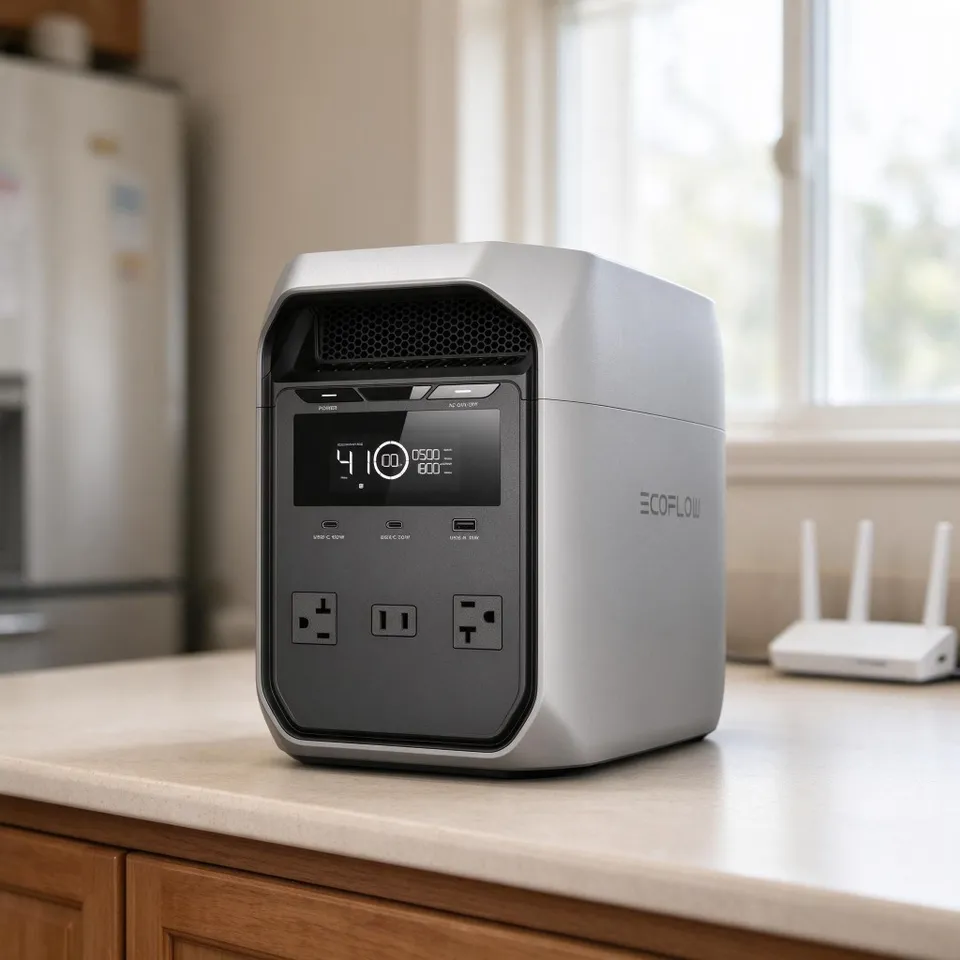
Keeping the fridge, Wi-Fi and phones alive for hours
For an outage measured in hours, the deciding specs are UPS switchover time, outlet count and whether the unit can run a fridge. Sized right, this costs far less than a generator.
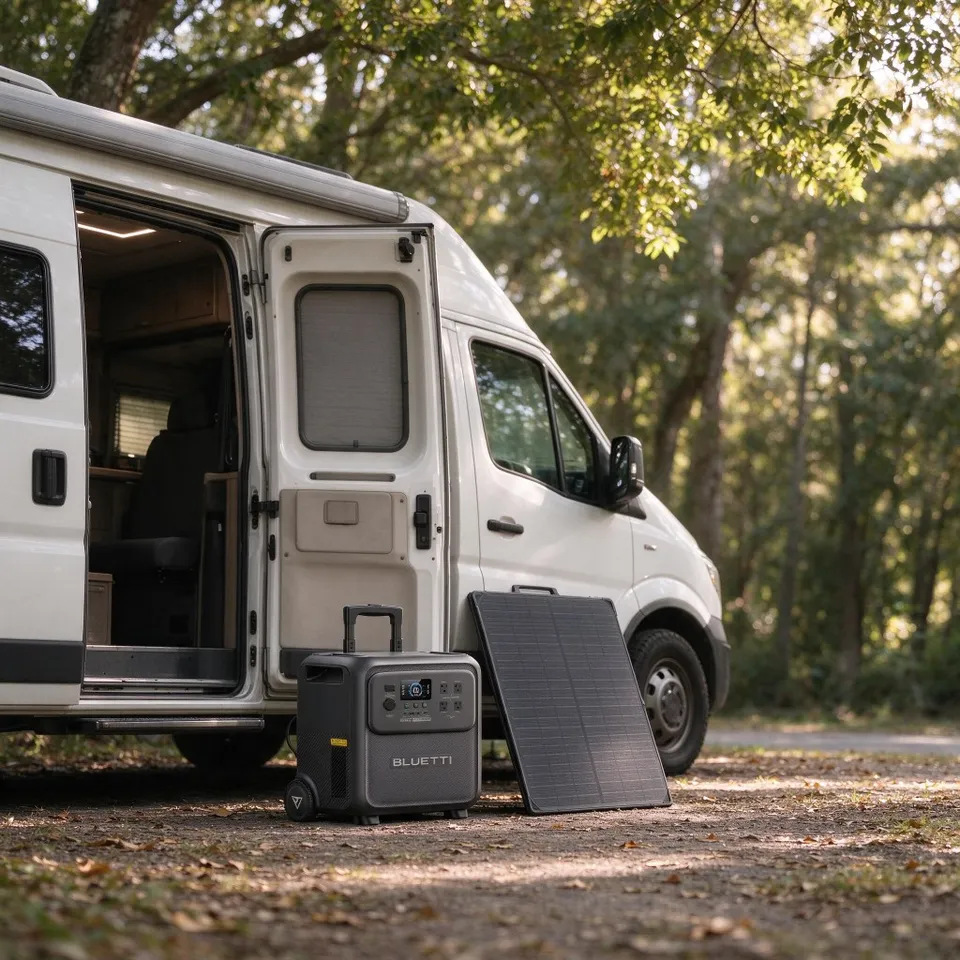
Living and working from a vehicle, on solar and alternator charging
Van life is an ecosystem problem, not a capacity problem. Expandability, alternator charging and solar input ceilings decide which stations can actually run a vehicle build.
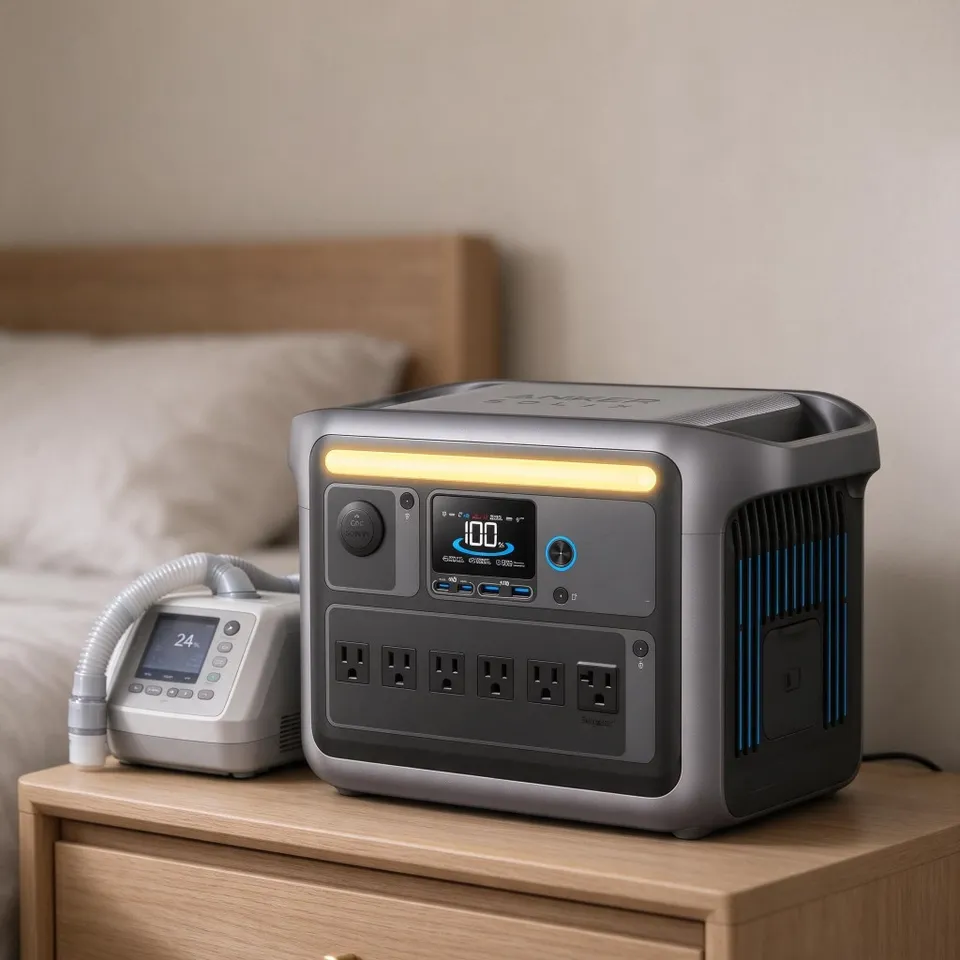
Keeping a CPAP or other device running overnight, every night
A CPAP is a nightly, non-negotiable load. Sizing is straightforward once you know whether the humidifier and heated tube are in use — and it changes the capacity you need by more than double.
Figures below are rated (nameplate) Wh — the number on the vendor label. Usable AC energy is lower; Power Fit assumes about 85% inverter efficiency × 90% depth of discharge when you model real loads.
| Job | Rated Wh band | What usually decides it |
|---|---|---|
| Camping weekend | 500–1,000 Wh | Phones, lights, small fridge; weight still wins. |
| Short home outage | 1,000–2,000 Wh | Fridge + router + phones for hours, not whole-home. |
| RV / van nights | 1,000–2,000 Wh+ | 12V fridge + solar recharge matter more than AC surge theater. |
| CPAP overnight | 300–1,000 Wh | Quiet runtime and DC options beat headline watts. |
Prefer a full catalog sort? Browse all power stations · Run Power Fit · Head-to-head compares · How we normalize specs