
Use case
Best portable power stations for RV and van life
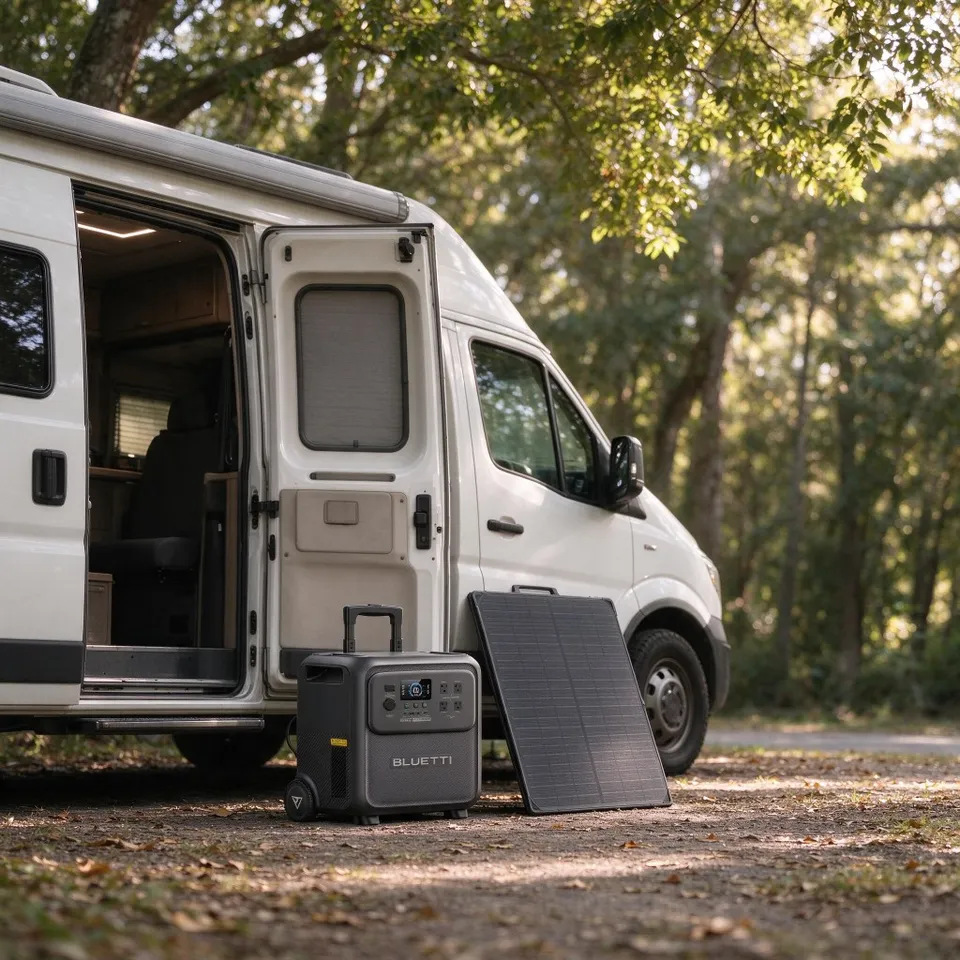
Van life is an ecosystem problem, not a capacity problem. Expandability, alternator charging and solar input ceilings decide which stations can actually run a vehicle build.
Who this is for
- Full-time and part-time van-lifers
- RV owners who want backup power without rewiring the coach
- Weekend overlanders running a fridge and a laptop
What actually decides the buy
- Expandable capacity. Van life grows; a station that accepts batteries avoids a second purchase.
- Solar input ceiling. The spec that decides how fast you recover on a roof array.
- Alternator / DC charging support. The fastest recharge while driving, and often overlooked.
- Continuous AC output. Induction and microwave loads are large and brief.
- 12V output and pass-through. Feed the fridge efficiently and keep charging while in use.
Sizing bands
| Band | Rated Wh | What it buys |
|---|---|---|
| Weekender | 1000–2000 Wh | Fridge, lights, laptop for two to three days. |
| Part-time | 2000–4000 Wh | Fridge, work setup, small cooking loads. |
| Full-time | 4000 Wh+ | Expandable systems with alternator and roof solar. |
Common traps
- Buying a sealed unit and outgrowing it in six months
- Underestimating solar input needs for a fridge that never stops
- Ignoring alternator charging, which is usually the fastest way to refill
- Choosing an ecosystem with no expansion batteries available
Brands that serve this job
- EcoFlow — The deepest accessory ecosystem — batteries, alternator chargers, panels, generators.
- BLUETTI — High solar input and expandable systems at a lower cost per watt-hour.
- PECRON — LiFePO4 and big inverters for the money, with expansion batteries.
Guides & compares in this cluster
All guides →Primary guide: start with the featured pick below. Other roundups in this cluster are branches — same job, narrower lens (e.g. solar-kit or overnight-only cuts).
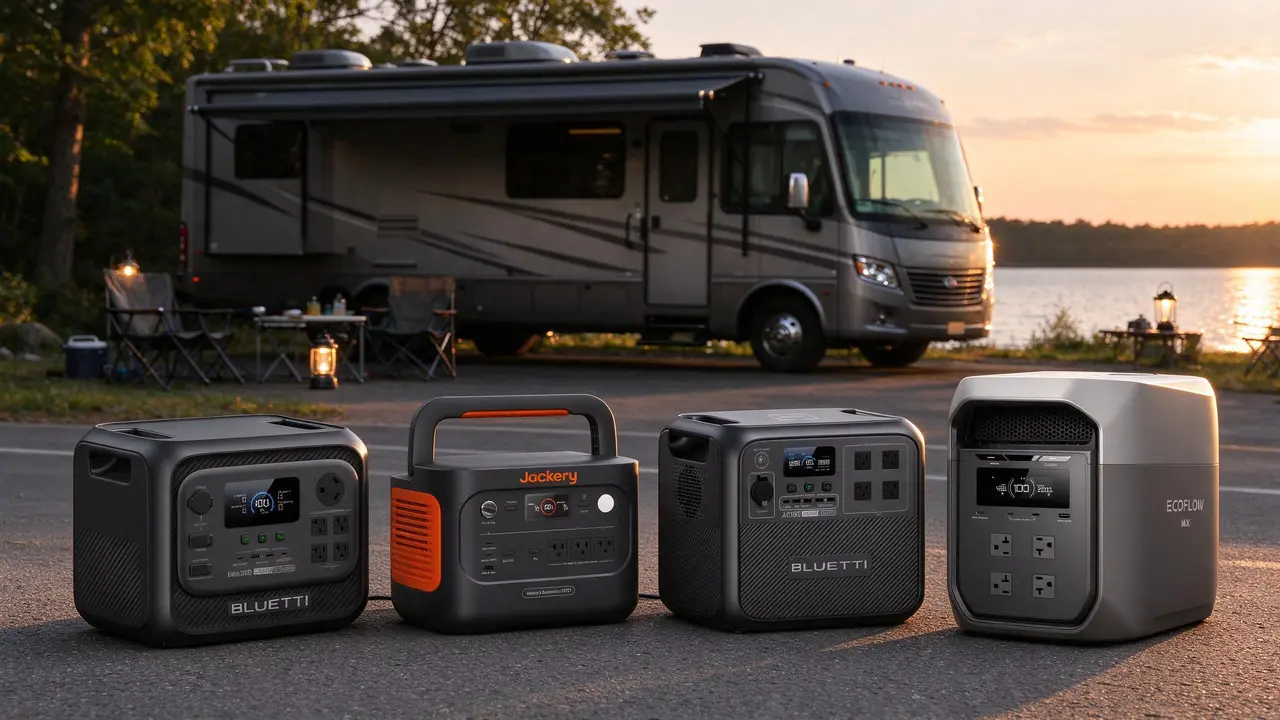
Best RV Power Stations for Boondocking and Shore Power
 By Avery NolanUpdated
RV power is a different job than camping or home backup: you need a shore-power plug, honest usable watt-hours, and enough continuous AC to start what you actually own. Here are four stations that fit real RV loads — and the ones to skip.
Read More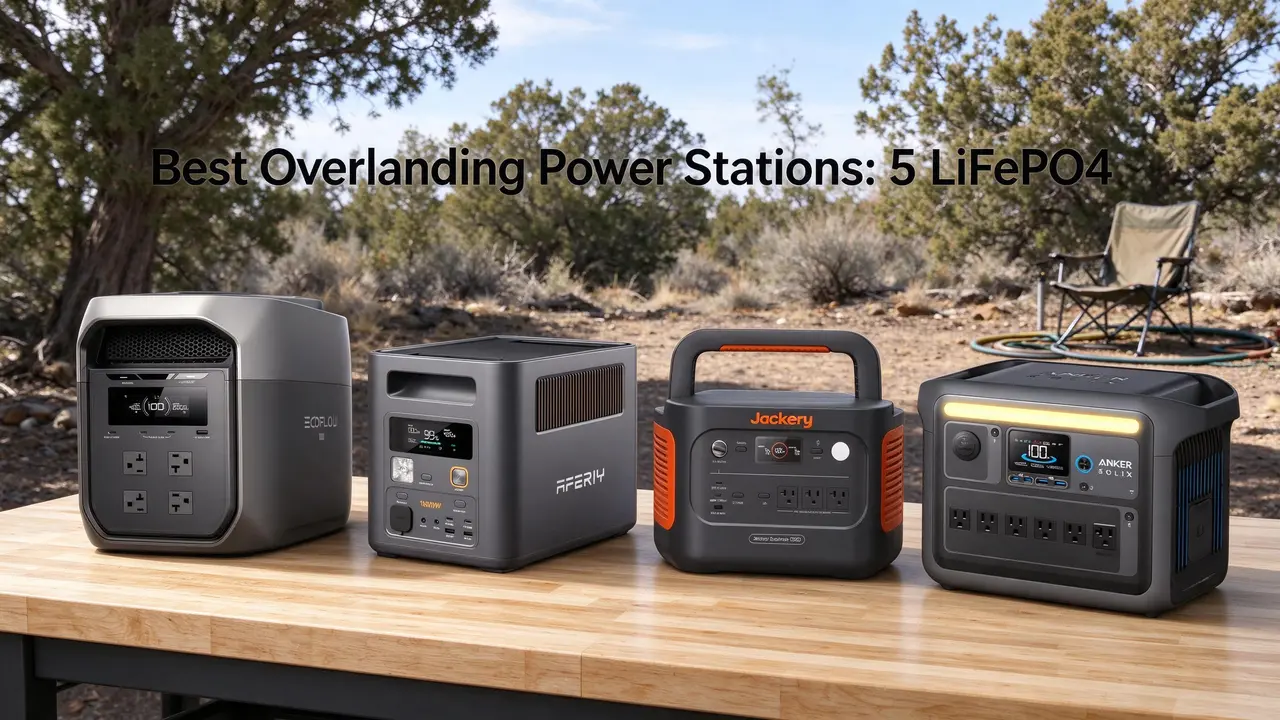
Best Overlanding Power Stations: 5 LiFePO4 Picks
By Avery NolanUpdated
Overlanding power is a different job than home backup: washboard roads, a 12V fridge that runs all night, and no wall outlet for days. These five LiFePO4 stations are the ones owners report trusting for truck camping and off-grid weekends.
Read More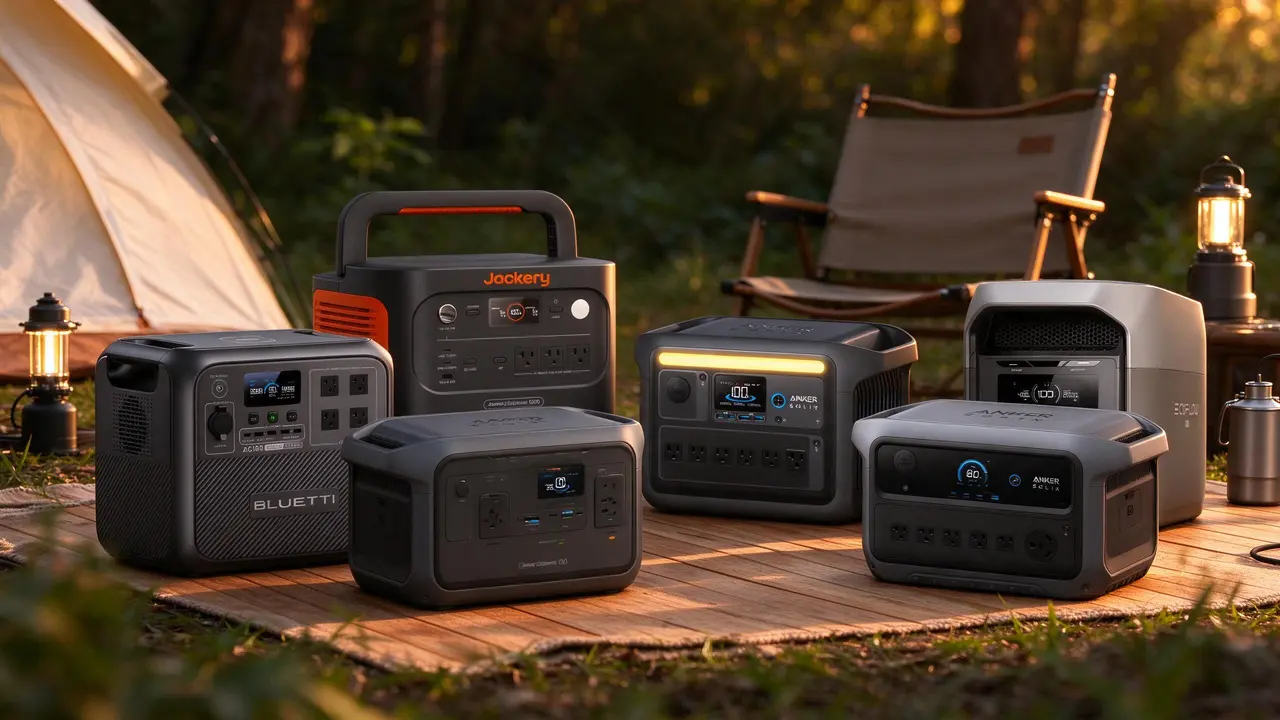
Best Portable Power Station for RV Boondocking: 6 Picks (1,000Wh vs 2,000Wh)
By Avery NolanUpdated
Boondocking sizing starts with daily watt-hours, not marketing names. Here are six stations from roughly 1,000 Wh weekend units to 2,048 Wh rigs for longer off-grid trips — with the loads each one actually covers.
Read More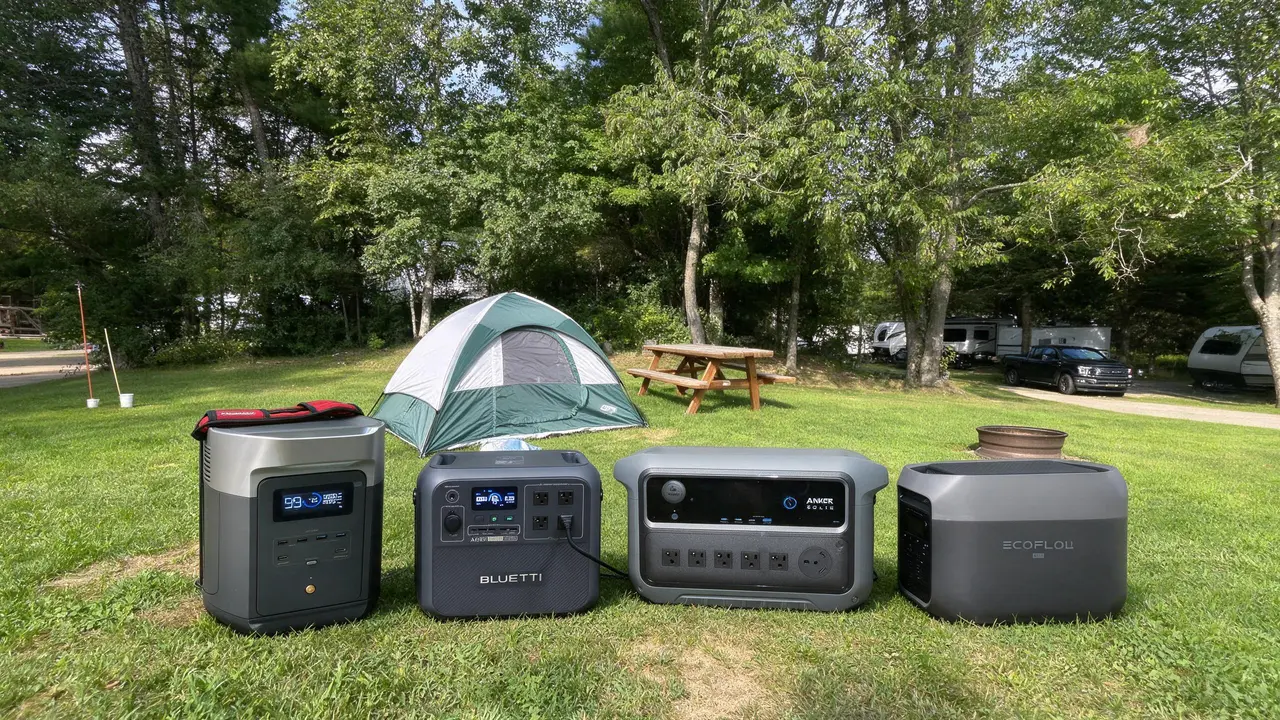
Best 2000W Power Station: 4 Solar-Ready Picks Ranked
By Avery NolanUpdated
Four 2,048 Wh stations that all claim 2,400 W continuous — so the real decision is weight, recharge speed, and what the panels cost on top. Here's how they sort out for home backup, RV, and camping.
Read More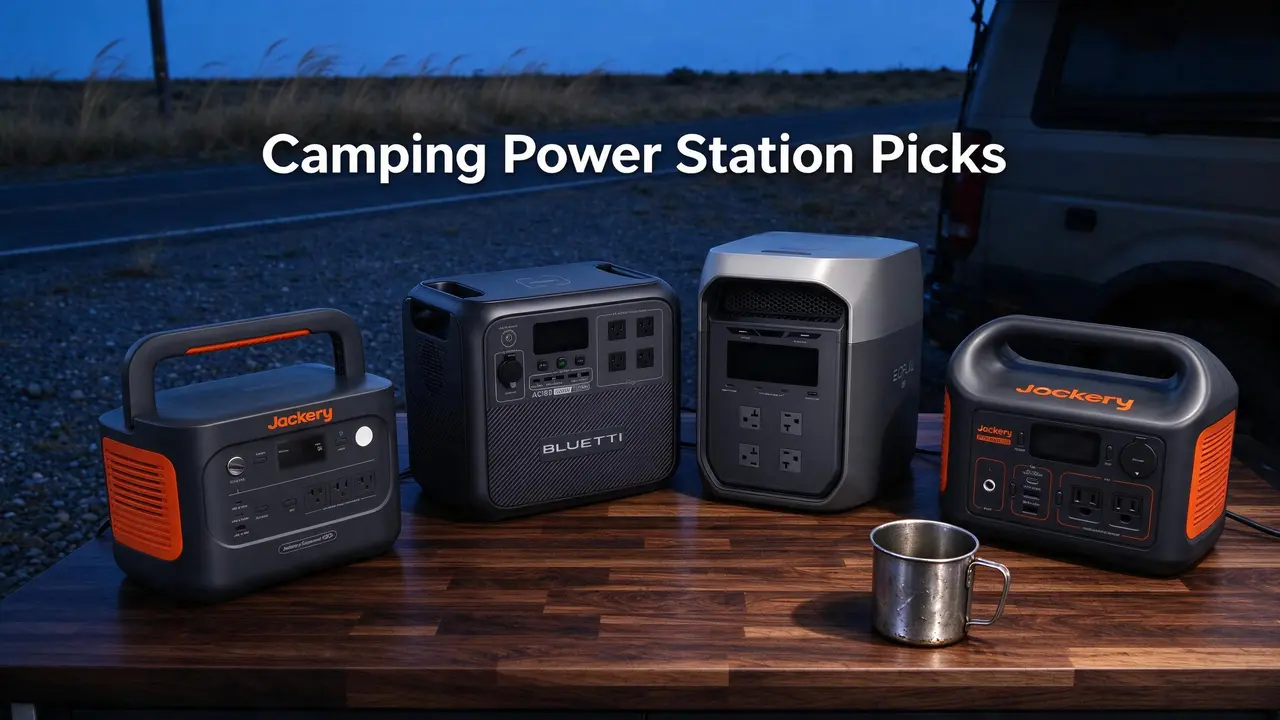
Best Portable Power Stations by Use: RV, CPAP, Home, Camping
By Avery NolanUpdated
Four stations, four jobs: CPAP overnight, RV boondocking, home outage backup, and weekend camping. We rank by what each unit actually carries — and where it runs out.
Read More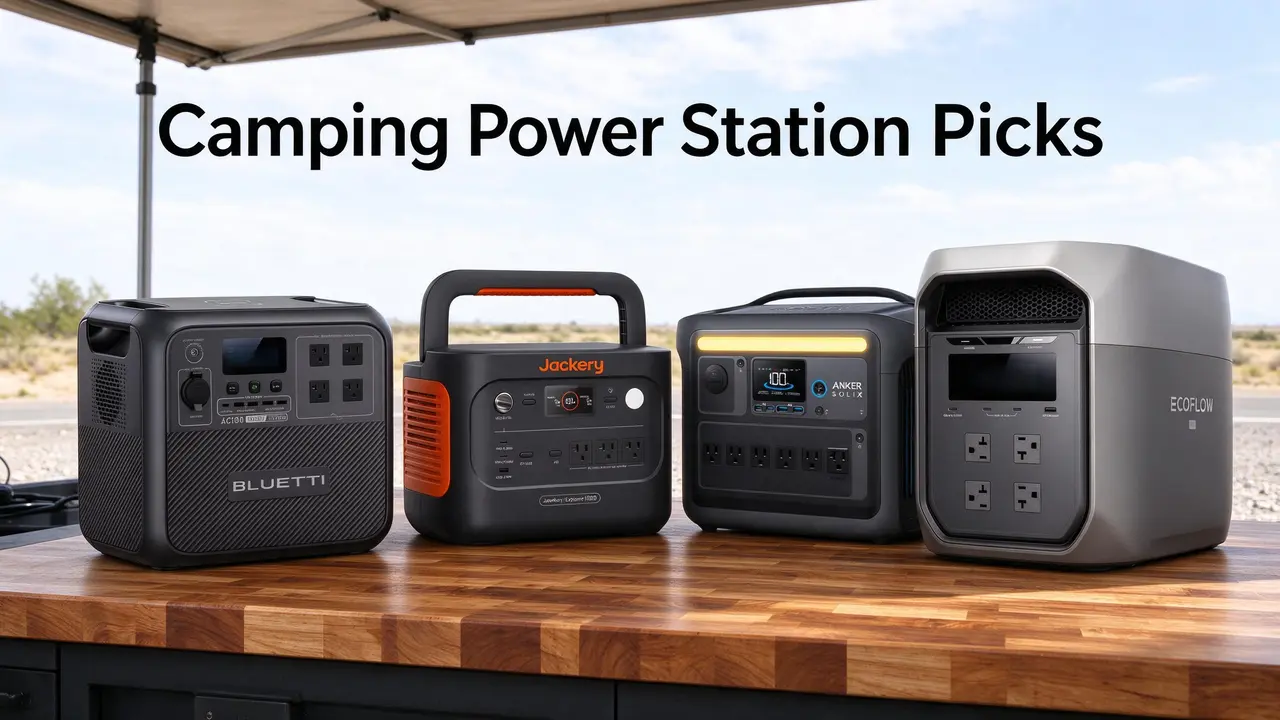
Best Power Station for Van Life: 4 Picks by Real Loads
By Avery NolanUpdated
Van life power comes down to what you actually run overnight — a fridge, a fan, a laptop — and how you recharge without shore power. Here are four stations sized for tight van builds, ranked by usable capacity, weight, and recharge options.
Read More