
Use case
Best portable power stations for CPAP and medical device backup
A CPAP is a nightly, non-negotiable load. Sizing is straightforward once you know whether the humidifier and heated tube are in use — and it changes the capacity you need by more than double.
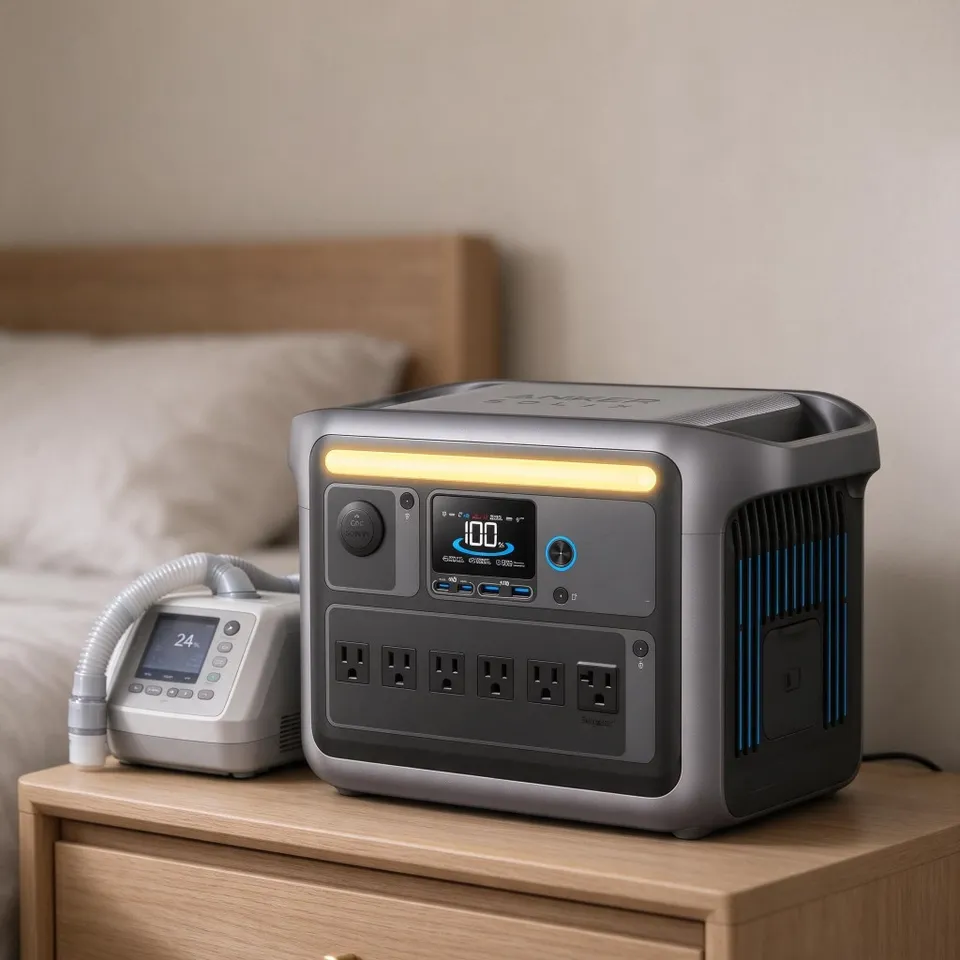
Who this is for
- CPAP and BiPAP users who need guaranteed overnight power
- Households with a home oxygen concentrator or similar device
- Anyone whose outage plan cannot tolerate a single missed night
What actually decides the buy
- Capacity (Wh). The whole decision. Humidifier and heated tube can double or triple draw.
- Continuous AC output. Modest for a CPAP, but confirm the device tolerates the inverter waveform.
- DC output option. Running a CPAP from 12V DC instead of AC can extend runtime substantially.
- Recharge speed. You need it full again before the next night.
- Pass-through charging. Keeps the unit topped up while it stays connected.
Sizing bands
| Band | Rated Wh | What it buys |
|---|---|---|
| One night, no humidifier | 300–500 Wh | Typical CPAP draw only |
| One night, with humidifier | 600–1000 Wh | Roughly doubles the load |
| Two nights plus essentials | 1000–2000 Wh | Margin for a second night and other devices |
Common traps
- Sizing for the CPAP without the humidifier, then using the humidifier
- Buying a single-night battery and having no margin for a second night
- Assuming an AC inverter is the most efficient path — DC is usually better
- Forgetting the device may need a specific DC adapter cable
Brands that serve this job
- Jackery — Simple operation and a well-known name, which matters for a medical purchase.
- EcoFlow — UPS behavior and app visibility on state of charge overnight.
- Anker SOLIX — Quiet operation and a clear app for checking remaining runtime.
- Goal Zero — Long-standing 12V output support and DC accessories.
Guides & compares in this cluster
All guides →Primary guide: start with the featured pick below. Other roundups in this cluster are branches — same job, narrower lens (e.g. solar-kit or overnight-only cuts).
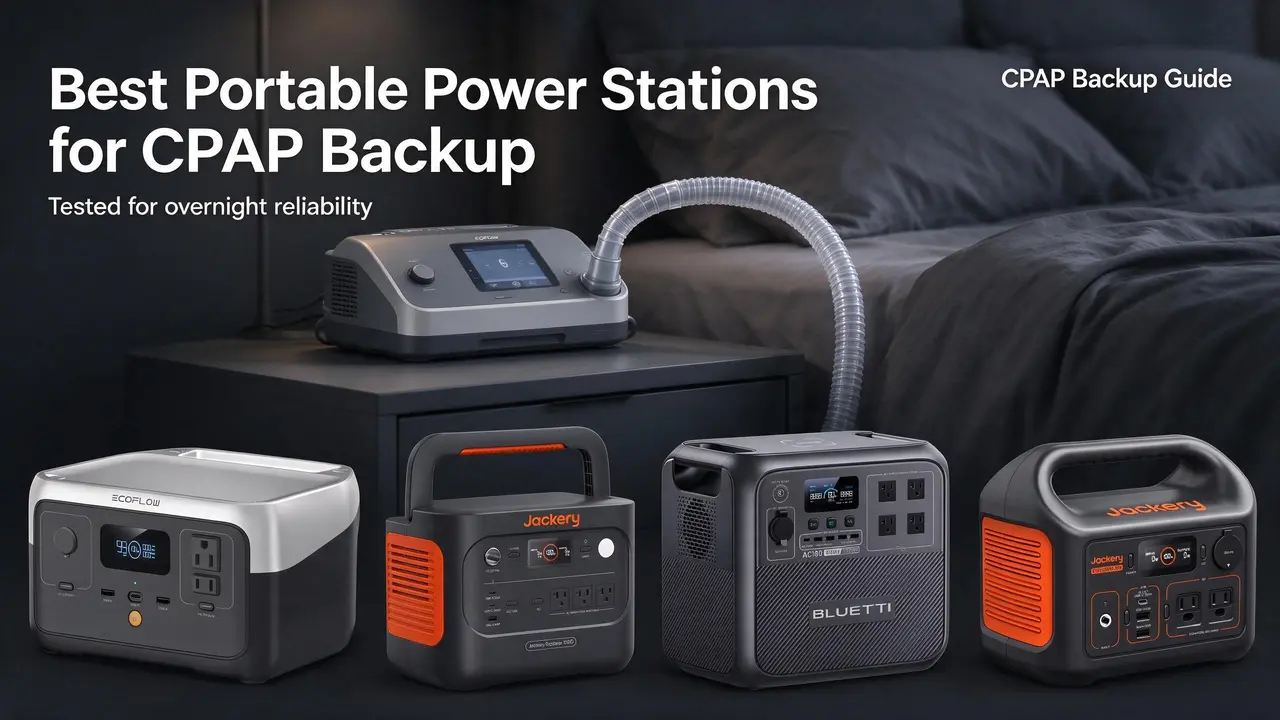
Best Portable Power Stations for CPAP Backup
 By Avery NolanUpdated
A CPAP that runs all night on battery is a solved problem — until you turn on the heated humidifier. Here are four stations that cover the unheated case, and the honest threshold where none of them is enough.
Read More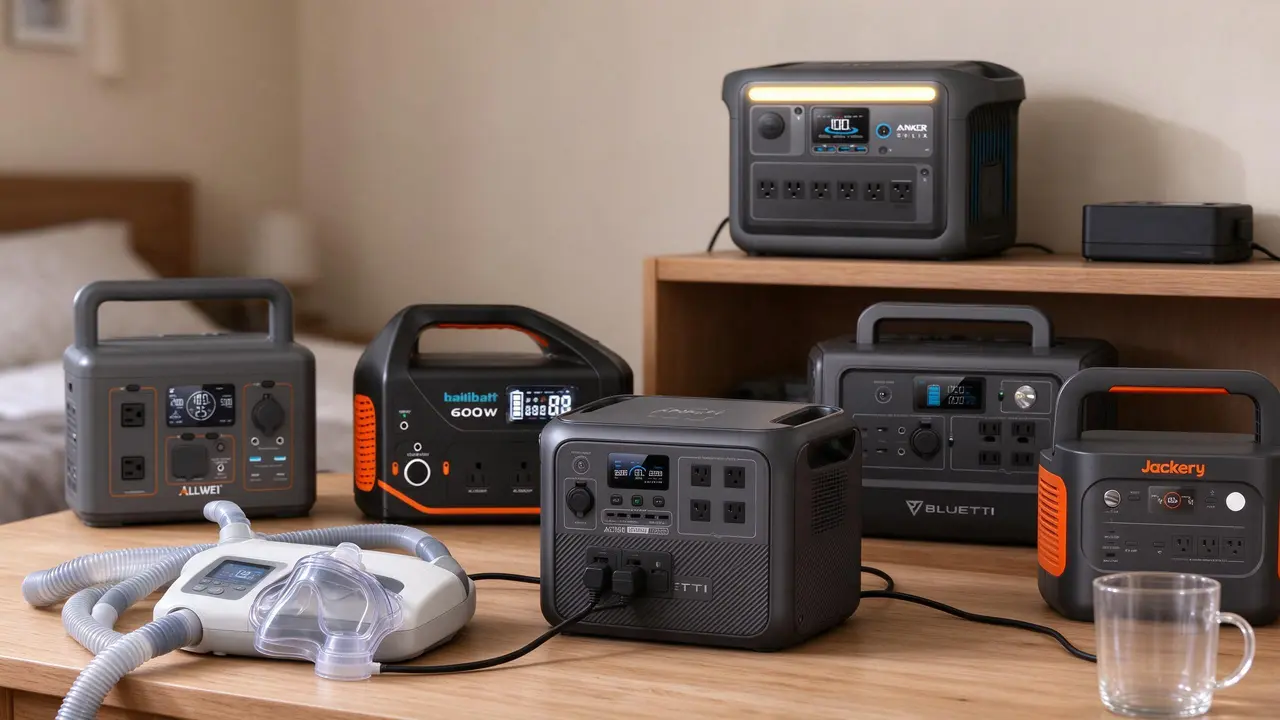
Best Power Station for CPAP Backup During Outages
By Avery NolanUpdated
A CPAP is a small, steady load — until you turn on the humidifier and heated tube. Here are six stations that can carry a night or two, ranked by usable capacity, quiet operation, and pass-through charging.
Read More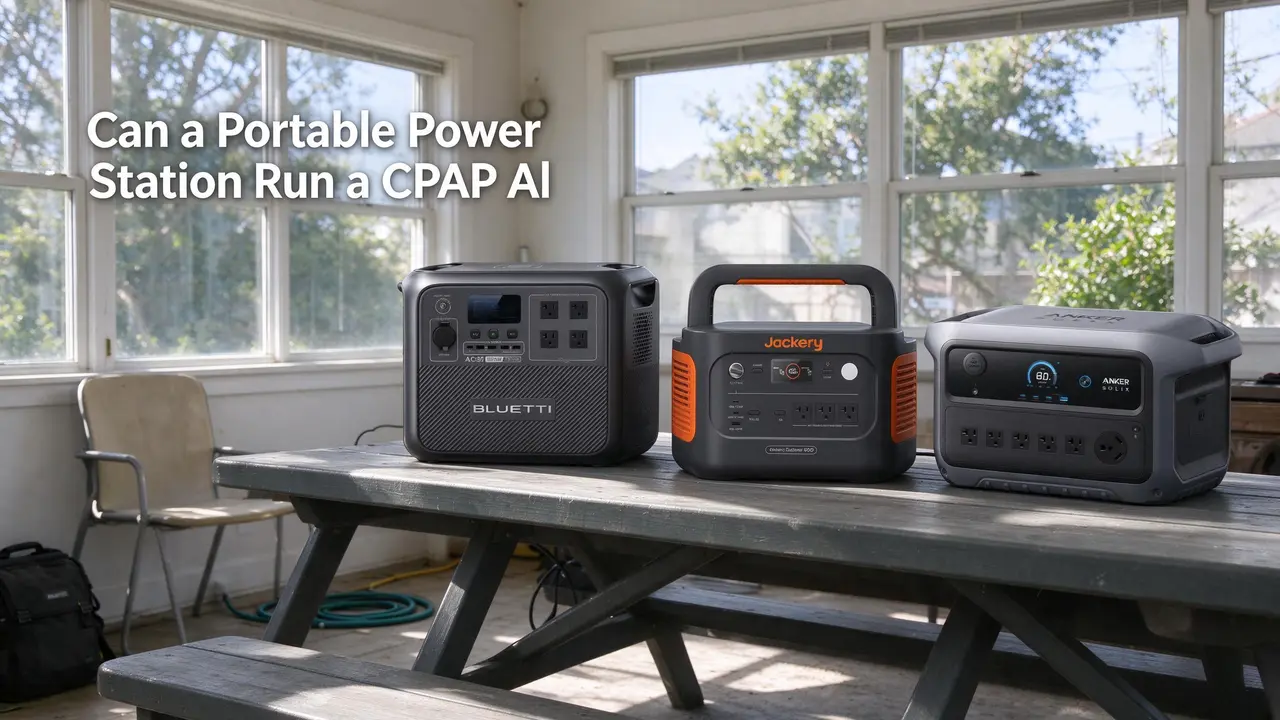
Can a Portable Power Station Run a CPAP All Night?
By Avery NolanUpdated
Yes — most CPAP setups draw little enough that a mid-size station covers a full night, but the heated humidifier changes the math fast. Here's the runtime formula, plus three stations sized for bedside overnight use.
Read More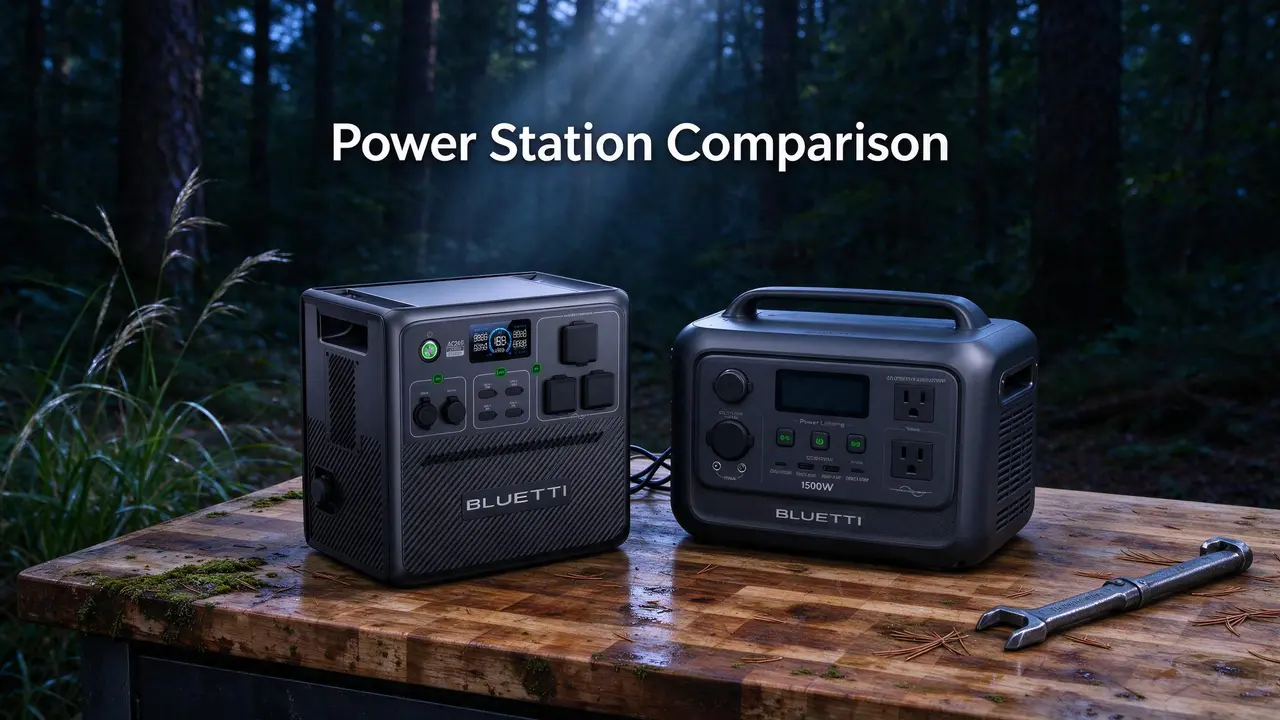
BLUETTI AC240 vs BLUETTI Elite 30 V2: Backup Bet?
By Avery NolanUpdated
A 1,536 Wh BLUETTI AC240 backup anchor versus a 288 Wh BLUETTI Elite 30 V2 grab-and-go UPS. Here is which one actually fits your outage plan — and which one is the wrong buy for most people.
Read More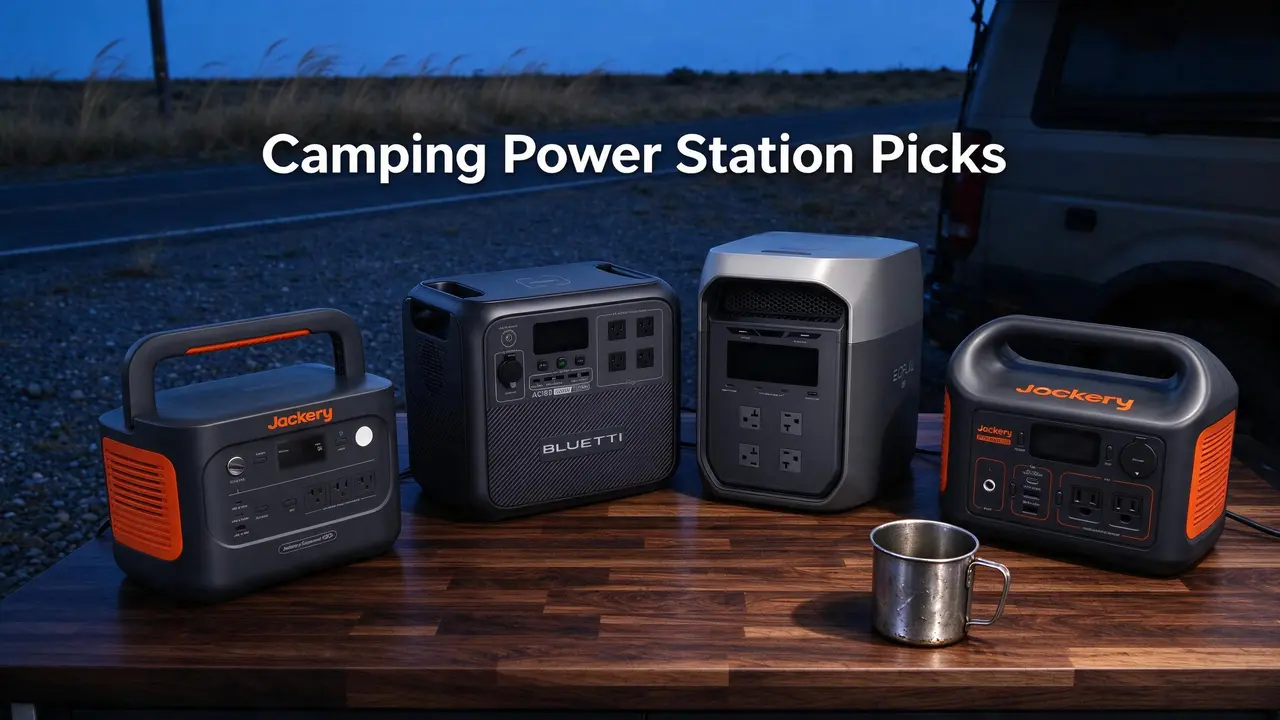
Best Portable Power Stations by Use: RV, CPAP, Home, Camping
By Avery NolanUpdated
Four stations, four jobs: CPAP overnight, RV boondocking, home outage backup, and weekend camping. We rank by what each unit actually carries — and where it runs out.
Read More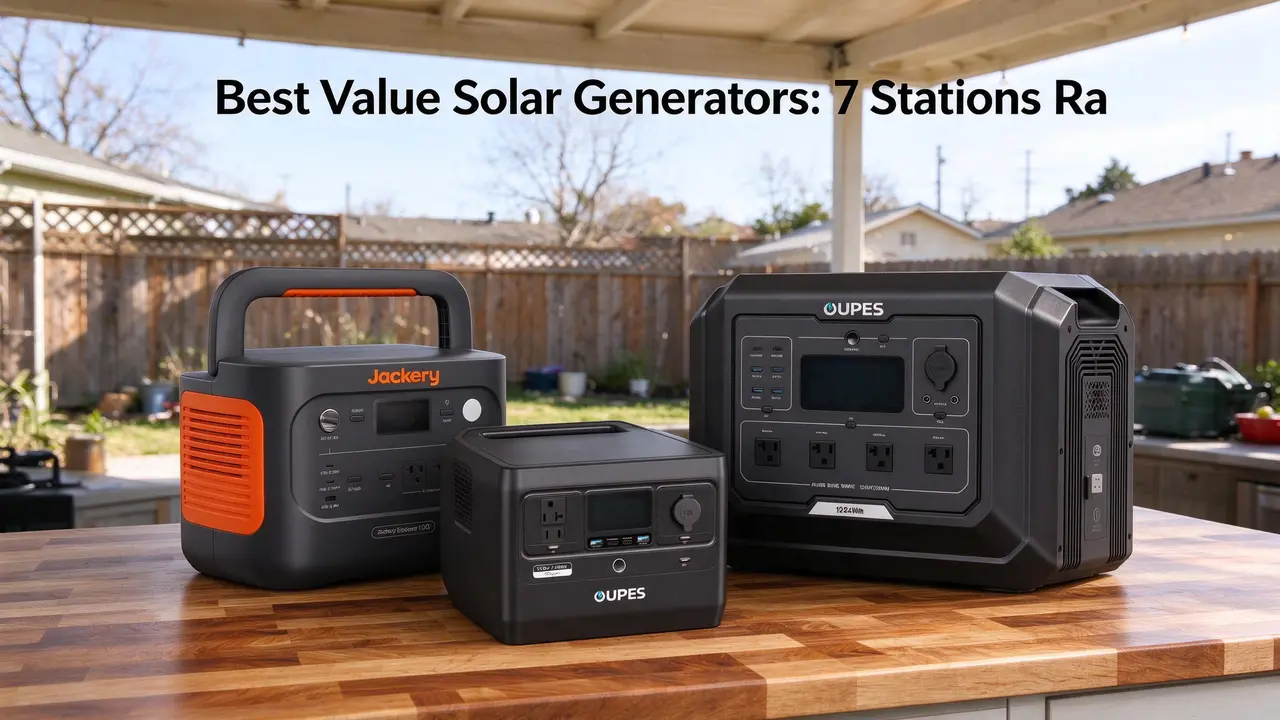
Best Value Solar Generators: 7 Stations Ranked by Price per Wh (OUPES, Jackery, Anker, BLUETTI)
By Avery NolanUpdated
For renters and campers sizing a first outage kit: seven solar generators ranked by price per watt-hour, with owner-reported runtime, trade-offs, and who should skip each one.
Read More