
Use case
Best portable power stations for off-grid and DIY solar builds
Off-grid buyers ask different questions: what is the solar input ceiling, how many cycles will the battery take, and can I add capacity later without buying a new unit.
Who this is for
- Cabin, shed and workshop owners with no grid connection
- DIY solar builders who want a battery-plus-inverter without a wired install
- Preparedness households planning for multi-day outages
What actually decides the buy
- Solar input ceiling (W and V). Off-grid recharge time is set entirely by how much PV the unit will accept.
- Battery chemistry and cycle life. These units are cycled daily for years, so rated cycles matter more than price.
- Continuous output and surge. Motors and pumps need far more on start-up than they draw running.
- Expansion capacity. Capacity added later is cheaper than a second inverter.
- Operating temperature range. An unheated cabin or shed is outside a comfortable indoor range.
Sizing bands
| Band | Rated Wh | What it buys |
|---|---|---|
| Shed / small cabin | 1000–2000 Wh | Lights, devices, a small fridge. |
| Cabin | 2000–4000 Wh | Fridge, tools, longer autonomy. |
| Whole-home backup | 4000 Wh+ | Expandable systems with 240V output. |
Common traps
- Falling for a low price and then discovering the solar input caps at a few hundred watts
- Ignoring start-up surge and tripping the inverter on a pump or saw
- Assuming a station replaces a proper component system at high daily loads
- Leaving a unit in a freezing shed without checking its temperature range
Brands that serve this job
- BLUETTI — High solar ceilings, big inverters and expansion for the money.
- PECRON — LiFePO4 and high output including 240V, at value pricing.
- EcoFlow — Expandable DELTA systems with strong solar input and accessories.
Guides & compares in this cluster
All guides →Primary guide: start with the featured pick below. Other roundups in this cluster are branches — same job, narrower lens (e.g. solar-kit or overnight-only cuts).
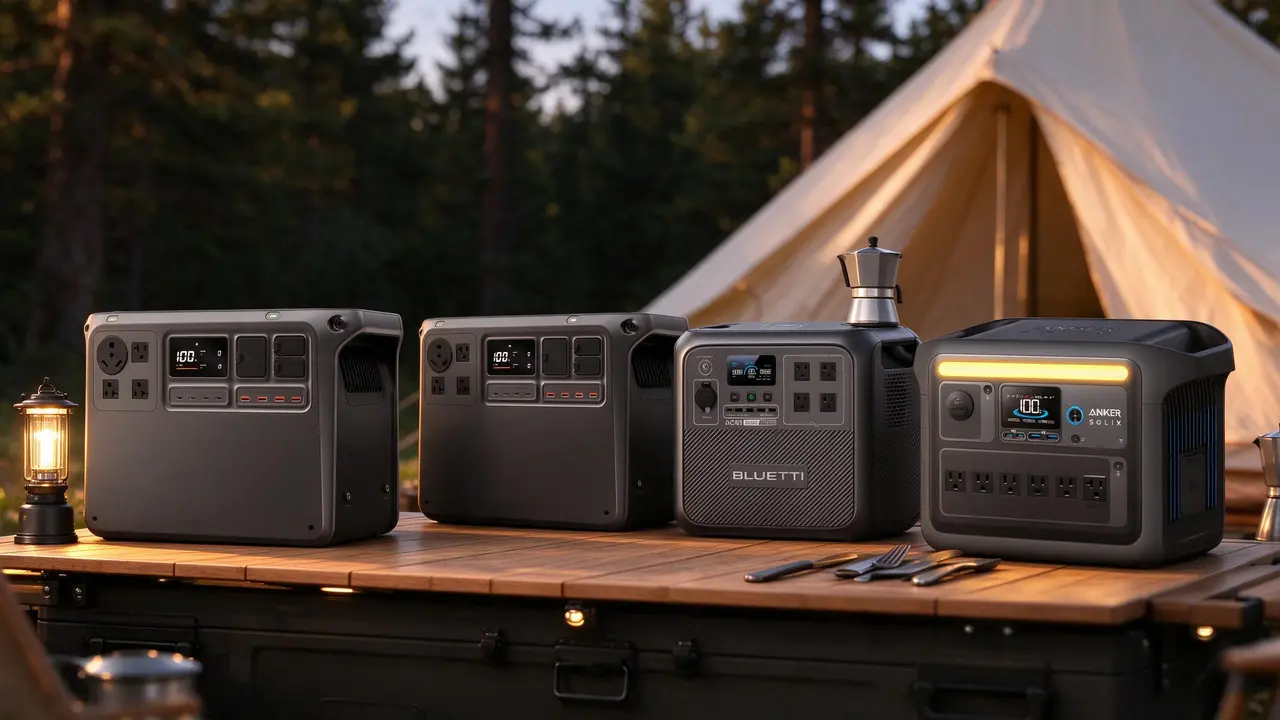
Best Portable Power Station for Off-Grid Living
 By Avery NolanUpdated
Off-grid living means matching a station to your daily loads, not just buying the biggest battery. Here are four LiFePO4 units that cover weekend cabins through full-time setups, with honest trade-offs from owner reports.
Read More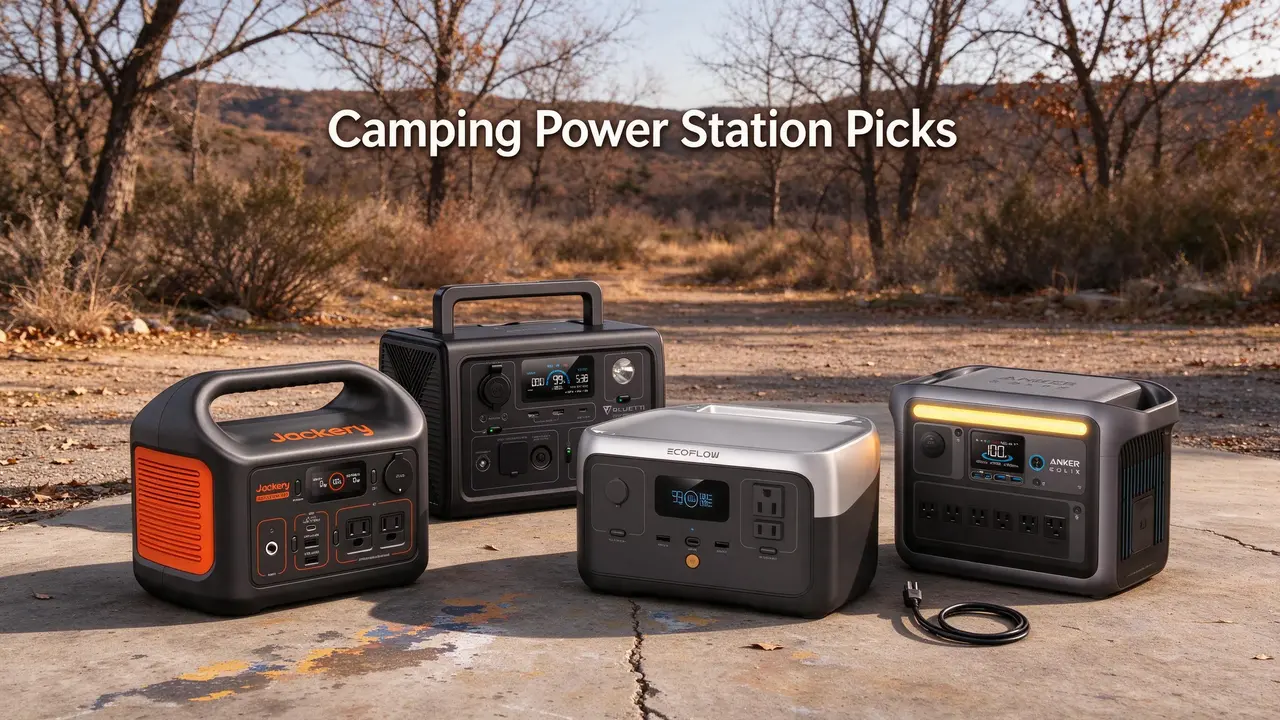
Best Camping Power Stations for Off-Grid Weekends
By Avery NolanUpdated
A weekend off-grid needs a box that carries easy, recharges fast, and runs quiet at night. Here are seven stations ranked by real trip loads — not home-backup specs.
Read More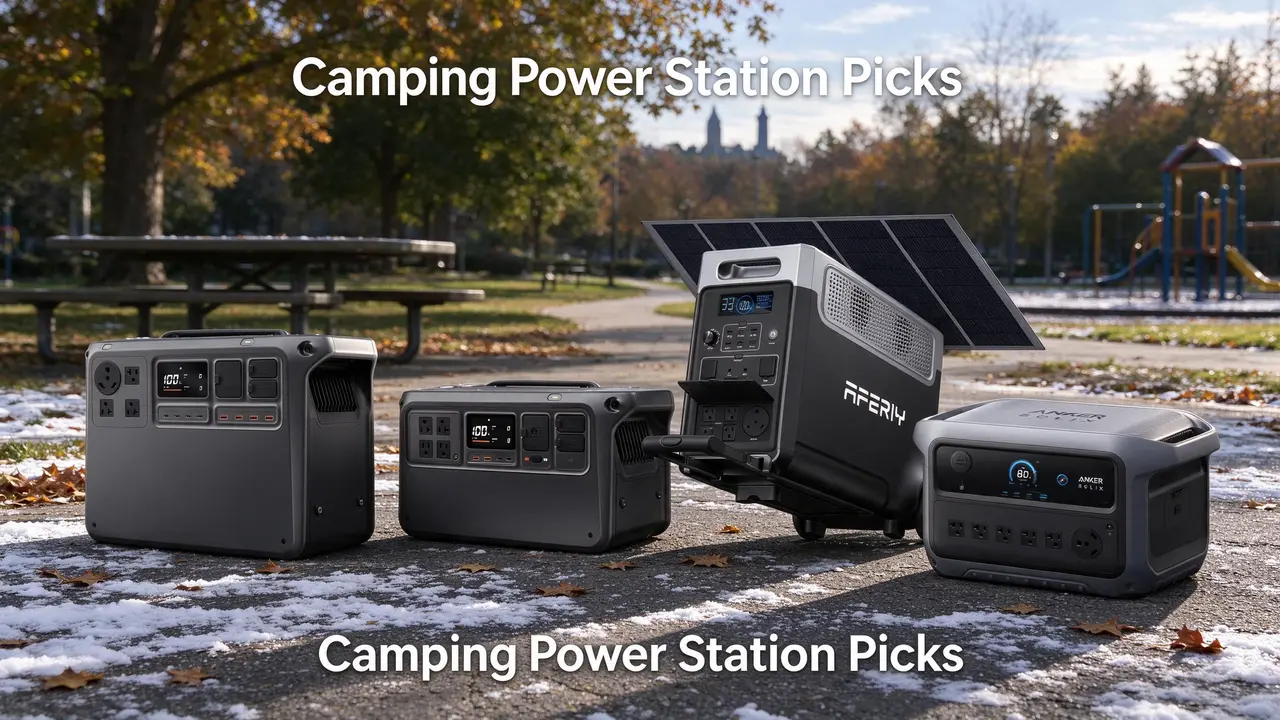
Best Solar Generator for Off-Grid: 5 Picks Ranked
By Avery NolanUpdated
Off-grid autonomy is a solar-input problem as much as a capacity one. Here are five stations ranked by usable capacity, panel wattage, and recharge speed — with the panel each one actually needs.
Read More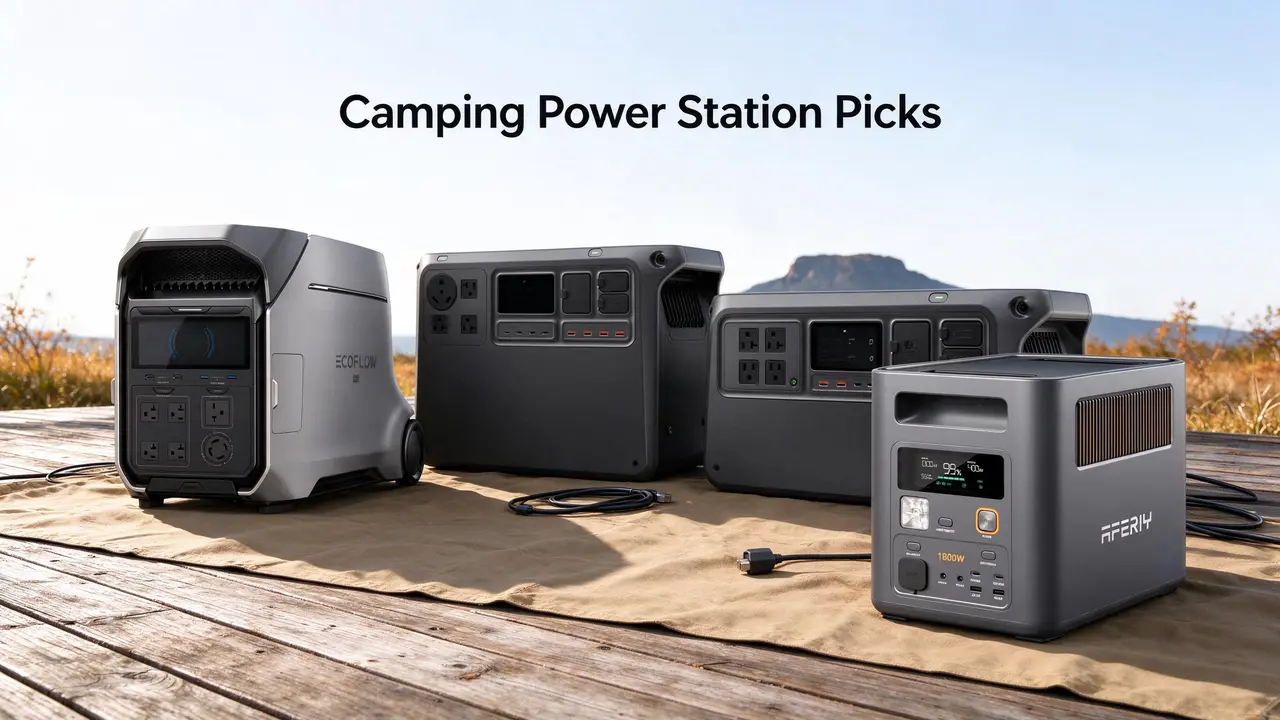
Best Solar Generator for Off-Grid Living: 6 Ranked Picks
By Avery NolanUpdated
Off-grid living asks a different question than camping: can this station carry a fridge, a well pump, and a week of cloudy days? Here are six stations ranked by usable capacity, surge headroom, and solar recharge speed — with the trade-offs spelled out.
Read More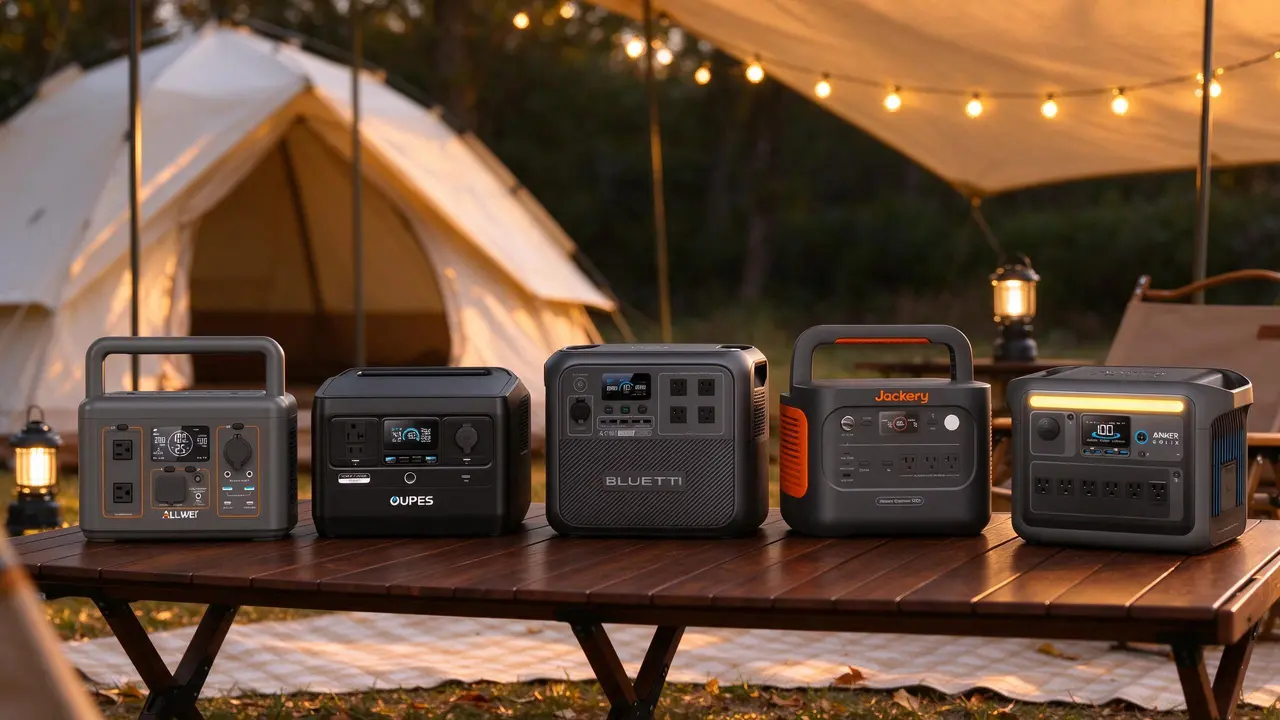
Best Portable Power Station for Van Life: 5 Picks
By Avery NolanUpdated
Van life power comes down to one number: what your fridge actually draws overnight. These five stations cover the realistic range, from a 512 Wh weekend rig to a 1,152 Wh unit that can run a compressor fridge and a laptop at once.
Read More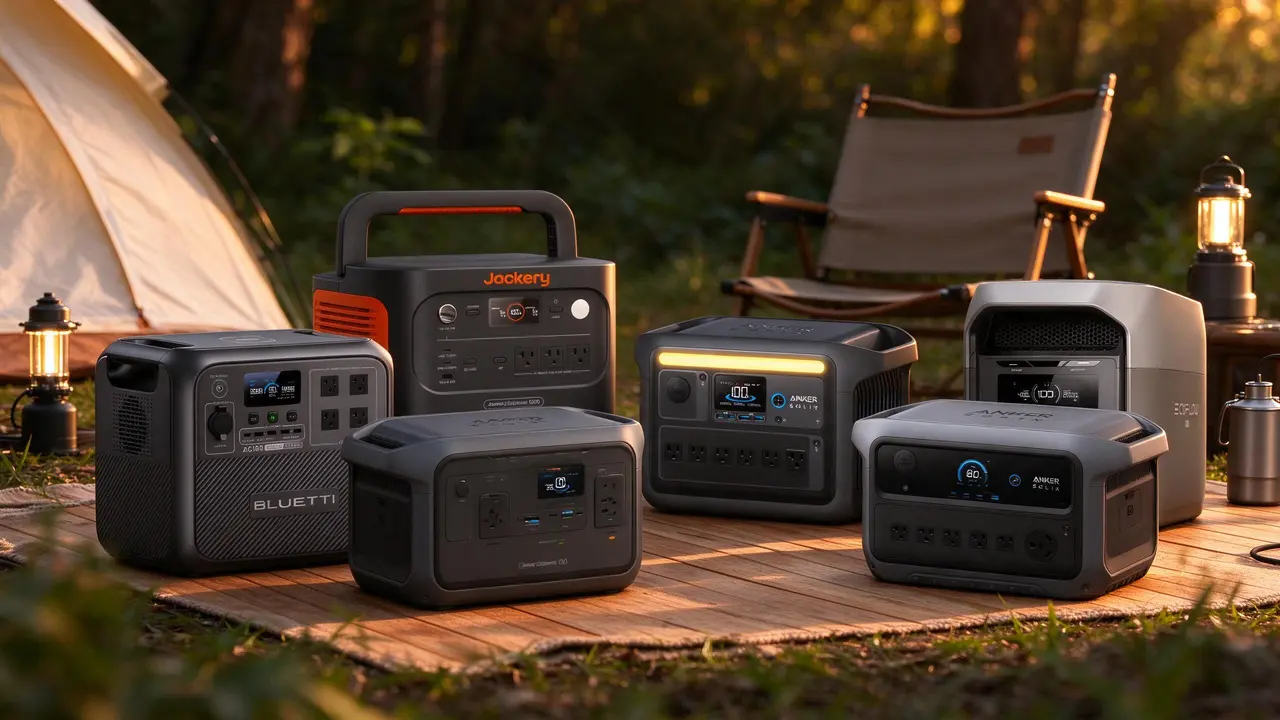
Best Portable Power Station for RV Boondocking: 6 Picks (1,000Wh vs 2,000Wh)
By Avery NolanUpdated
Boondocking sizing starts with daily watt-hours, not marketing names. Here are six stations from roughly 1,000 Wh weekend units to 2,048 Wh rigs for longer off-grid trips — with the loads each one actually covers.
Read More