
Guide
How much capacity do I need in a portable power station?
Capacity is energy, not power. The right number is the watt-hours your loads will consume between recharges, plus headroom — not the biggest battery on the shelf.
Every figure on this page is computed from the WattPicks dataset (107 models from 12 brands, all read from the manufacturers' own product pages). We do not test power stations, so nothing here is a measurement of ours.
The arithmetic
Watt-hours needed ≈ sum of (running watts × hours) for each device, then divide by about 0.85 to allow for inverter losses and incomplete discharge. That is the battery size that covers the session once.
Surge watts are a separate check: a station can have enough capacity and still fail to start a fridge compressor. Size continuous and surge output first, then buy capacity for runtime.
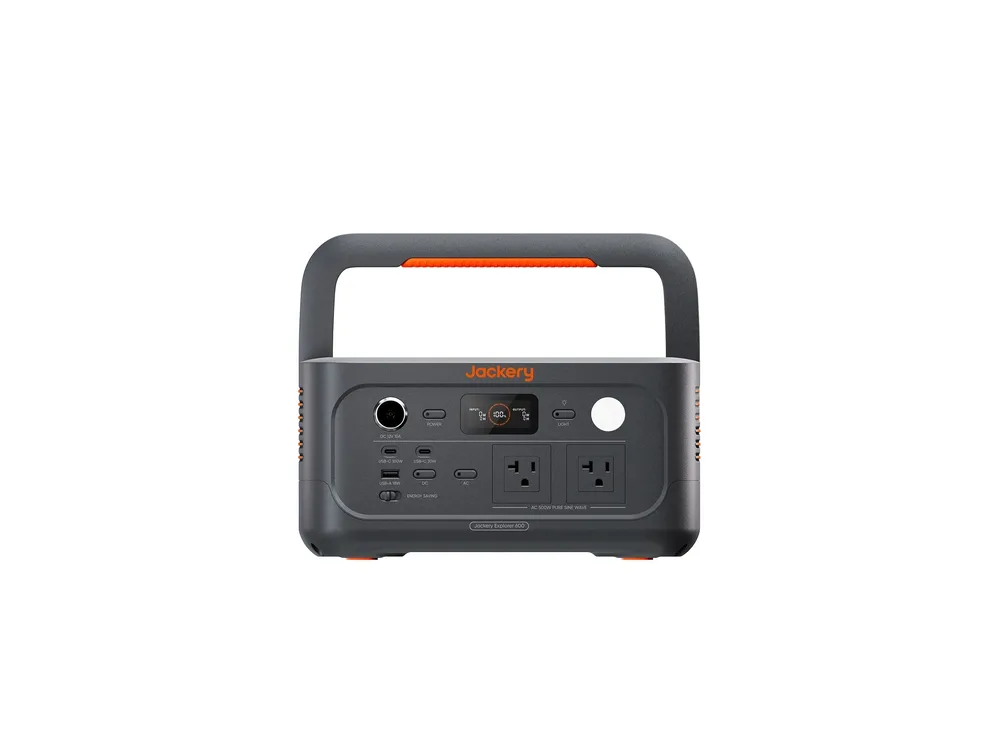
Capacity bands that map to real jobs
- Under ~500 Wh (26 models in our small band): phones, lights, a laptop, a day trip — not a fridge overnight.
- 500–1,200 Wh (29 models): the camping mainstream; a compressor fridge with daily recharge.
- 1,200–2,500 Wh (30 models): home essentials or a van fridge through a longer stretch.
- 2,500 Wh and up (22 models): multi-day backup, expansion packs, cabin baselines.
Worked examples
Phones and a laptop for a weekend: often 200–400 Wh is enough if you recharge once. Add a compressor fridge averaging ~20 W and you need roughly 480 Wh per day before losses — so plan 600–1,000 Wh with a recharge path.
Home outage essentials (fridge + router + lights + phones): most households land in the 1,000–2,000 Wh range for a day, expandable if outages run longer.
What capacity cannot fix
- A weak inverter: doubling the battery does not start a motor the surge rating cannot handle.
- No recharge plan: off-grid, solar input matters as much as watt-hours.
- Heating loads: kettles and space heaters empty even large packs in minutes.
Frequently asked
How much capacity do I need for camping?
300–600 Wh for devices and lights over a weekend; 500–1,000 Wh if a compressor fridge is involved and you can recharge daily.
How much capacity do I need for a home blackout?
Add up fridge, internet, lights and phones for 24 hours, then add headroom. For most households that is roughly 1,000–2,000 Wh.
Is more capacity always better?
Only if you will use it. Extra watt-hours mean extra weight, longer recharge and higher price. Size from the job, then pick value and portability inside that band.