3–6 on shared published metrics
Goal Zero Yeti 6000X vs OUPES Guardian 6000 V2
Yeti 6000X leads on 3 of the 9 metrics both units publish; Guardian 6000 V2 leads on 6; 3 are level or not directly comparable. Capacity is within 32%, so this is a like-for-like decision rather than a size mismatch.
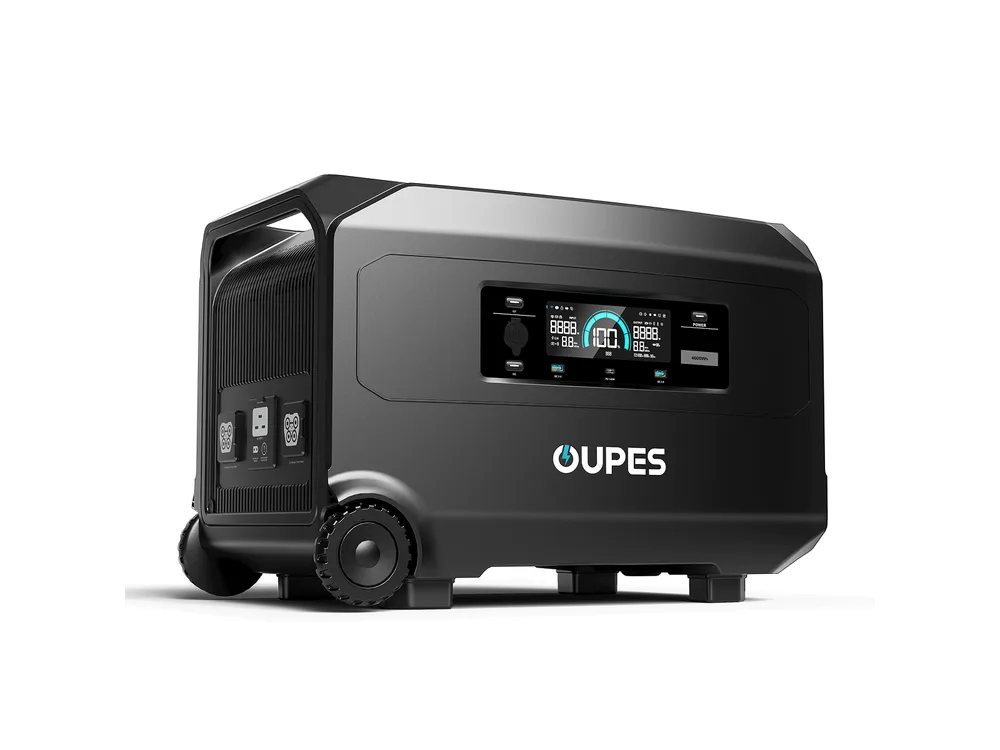
Pick this if
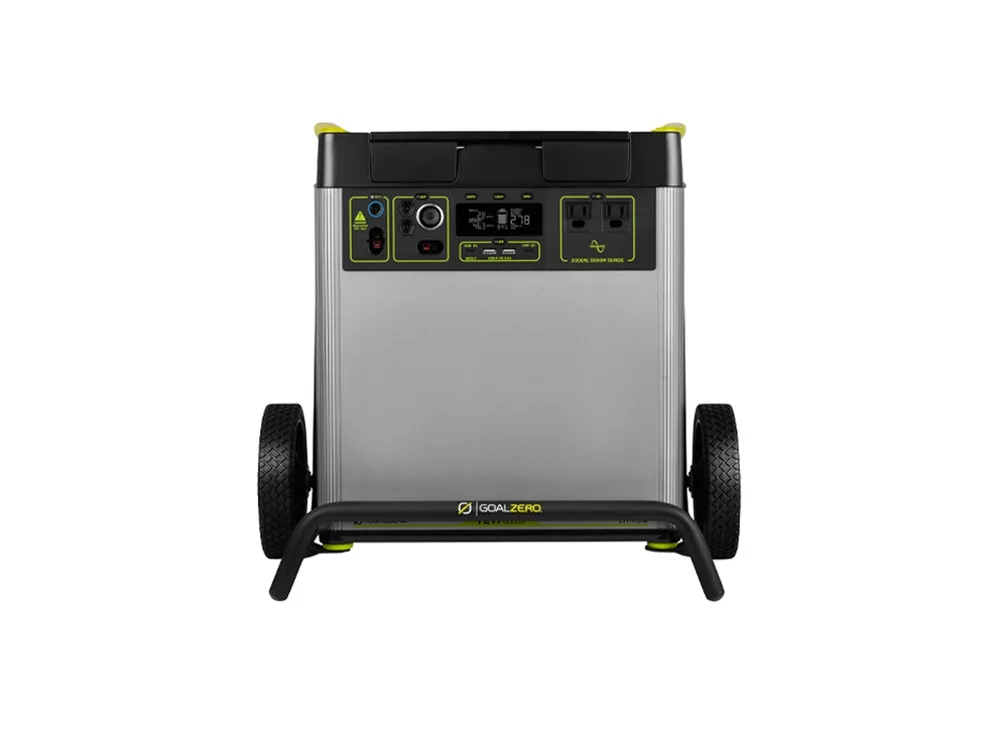
Goal Zero Yeti 6000X
- Capacity: 6,071 Wh vs 4,608 Wh
- Weight: 106.0 lb vs 111.8 lb
- Watt-hours per pound: 57.3 Wh/lb vs 41.2 Wh/lb
Buyers who value the ecosystem, the retail presence and a familiar outdoor brand.
Pick this if
OUPES Guardian 6000 V2
- Continuous AC output: 6,000 W vs 2,000 W
- List price: $2,699 vs $4,000
- Cost per watt-hour: $0.59 vs $0.66
- Max solar input: 3,600 W vs 600 W
Buyers who need maximum capacity for the least money and accept the trade-offs.
Spec by spec
A green arrow marks the better figure on each row. Rows where only one unit publishes a number are shown without a winner rather than guessed.
| Metric | Yeti 6000X | Guardian 6000 V2 | What it means |
|---|---|---|---|
| Capacity | 6,071 Wh | 4,608 Wh | How much energy the unit stores. Sets how long everything else can run. |
| Continuous AC output | 2,000 W | 6,000 W | The largest load the inverter will run continuously, not counting surge. |
| Weight lower is better | 106.0 lb | 111.8 lb | The spec buyers most often regret ignoring. |
| List price lower is better | $4,000 | $2,699 | Vendor list price at the time of collection; street prices move. |
| Cost per watt-hour lower is better | $0.66 | $0.59 | Price divided by capacity. The fairest single value metric. |
| Watt-hours per pound | 57.3 Wh/lb | 41.2 Wh/lb | Capacity you get per pound carried. |
| Max solar input | 600 W | 3,600 W | Caps how large an array is useful, and therefore off-grid recharge speed. |
| AC recharge time lower is better | 720 min | — | Vendor-stated time to full from a wall outlet. |
| Rated cycles | 500 cycles | 4,000 cycles | Vendor claim for charge cycles before capacity degrades to 80%. |
| UPS switchover lower is better | — | 20 ms | How long the unit takes to switch to battery. Under 20 ms keeps a desktop alive. |
| Max expandable capacity | — | 41,400 Wh | How far the system can grow with add-on batteries. |
| Warranty | 24 months | 72 months | Stated warranty length from the vendor listing. |
How each one ranks overall
Goal Zero Yeti 6000X
- #65 of 104 for Best value (cost per watt-hour) ($0.66)
- #1 of 103 for Most portable (Wh per pound) (57.3 Wh/lb)
- #106 of 106 for Most inverter headroom (33 W/100Wh)
- #30 of 49 for Fastest AC recharge (506 W)
- #47 of 83 for Highest solar input (600 W)
- #60 of 96 for Longest service life (3036 kWh)
- #103 of 103 for Most output per dollar (0.50 W/$)
- #62 of 106 for Best for home backup (54/100)
- #96 of 105 for Longest warranty (24 mo)
OUPES Guardian 6000 V2
- #57 of 104 for Best value (cost per watt-hour) ($0.59)
- #29 of 103 for Most portable (Wh per pound) (41.2 Wh/lb)
- #44 of 106 for Most inverter headroom (130 W/100Wh)
- #3 of 83 for Highest solar input (3.6 kW)
- #4 of 36 for Most expandable (41.40 kWh)
- #3 of 96 for Longest service life (18432 kWh)
- #56 of 103 for Most output per dollar (2.22 W/$)
- #2 of 106 for Best for home backup (86/100)
- #2 of 105 for Longest warranty (72 mo)
The brands behind them
Goal Zero
The outdoor retailer shopper who wants a system they can see in person
Best for: Buyers who value the ecosystem, the retail presence and a familiar outdoor brand.
Not for: Spec-sheet shoppers optimizing cost per watt-hour.
Full Goal Zero profile →OUPES
The price-first buyer comparing watt-hours on a marketplace listing
Best for: Buyers who need maximum capacity for the least money and accept the trade-offs.
Not for: Buyers who value support, app quality or long-term resale.
Full OUPES profile →Where these numbers come from. Every figure on this page is taken from Goal Zero’s own product listing and is stored with the vendor’s exact wording, reproduced below. We do not estimate missing specs — a field the vendor does not publish is shown as “—” and excluded from rankings. Source: goalzero.com/products/goal-zero-yeti-6000x-portable-power-station.
Vendor wording for each figure (7)
capacityWh: “6071Wh(10.9V, 556Ah)”acOutputW: “2000W,3500W surge”weight: “106 lbs (48.1kg)”solarInputW: “Solar Charging (600W Actual Input Max)”rechargeAcMinutes: “Fully recharges in 12 hours”cycleLife: “500 Cycles to 80% capacity”warrantyMonths: “Warranty: 2 years”
Where these numbers come from. Every figure on this page is taken from OUPES’s own product listing and is stored with the vendor’s exact wording, reproduced below. We do not estimate missing specs — a field the vendor does not publish is shown as “—” and excluded from rankings. Source: oupes.com/products/oupes-guardian-6000-v2-portable-power-station.
Vendor wording for each figure (8)
capacityWh: “Basic Capacity 4,608 Wh”acOutputW: “240V AC Output Power Rated Power: 6,000W”weight: “Net Weight 111.8 lbs (50.7 kg)”solarInputW: “3,600W solar input via dual XT60”cycleLife: “Cycles > 4,000+ cycles to 80%”upsSwitchoverMs: “20ms EPS Backup”maxExpandableWh: “Expandable Capacity Up to 41.4 kWh”warrantyMonths: “Warranty Up to 6 Years”
Other comparisons for the Yeti 6000X
Also worth a look