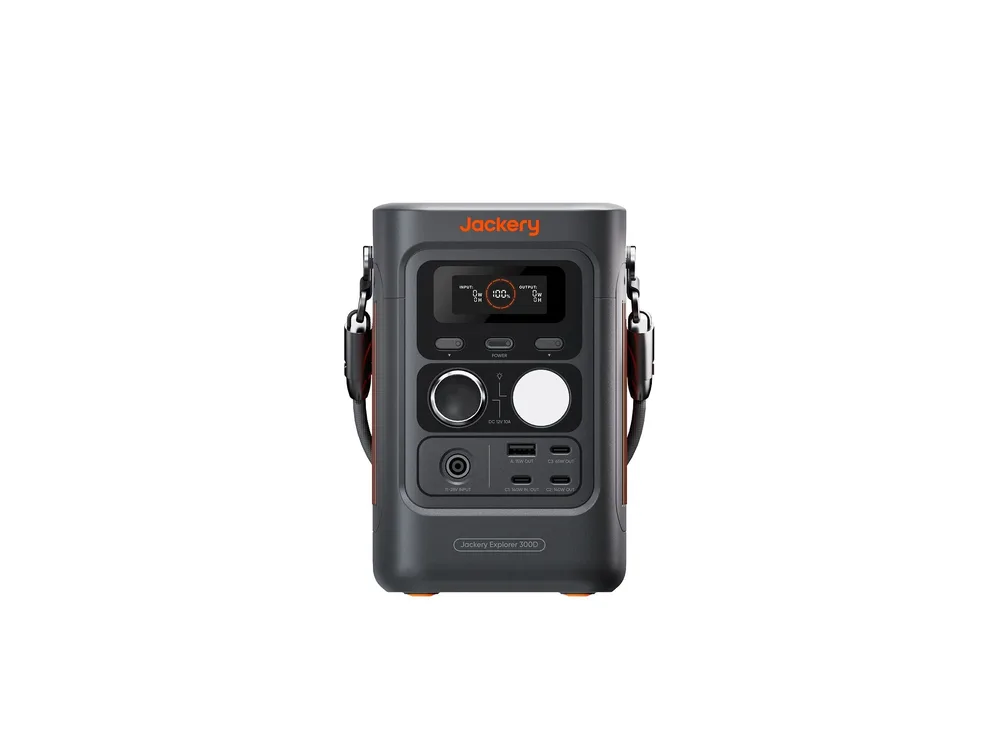
Jackery Explorer 300D
Top of the ranking on this page, using the criteria below.
288 Wh · 300 W AC · 5.5 lb · $0.73/Wh
Best of · Camping
Camping is a portability problem before it is a capacity problem: the station you leave in the car because it is too heavy has a capacity of zero. This list ranks on watt-hours per pound first, then on value, and stops at the size where carrying stops being realistic.
WattPicks does not test power stations, and this page does not claim to. Every specification, price and derived figure is read from the manufacturers’ own product pages; the ranking is computed from that data using the criteria stated above, not from first-hand use.
55 models in the dataset match this page’s scope, and 53 of them publish a list price, which is what the value figures need. Nothing here has been tested by us.
Top of the ranking on this page, using the criteria below.
288 Wh · 300 W AC · 5.5 lb · $0.73/Wh
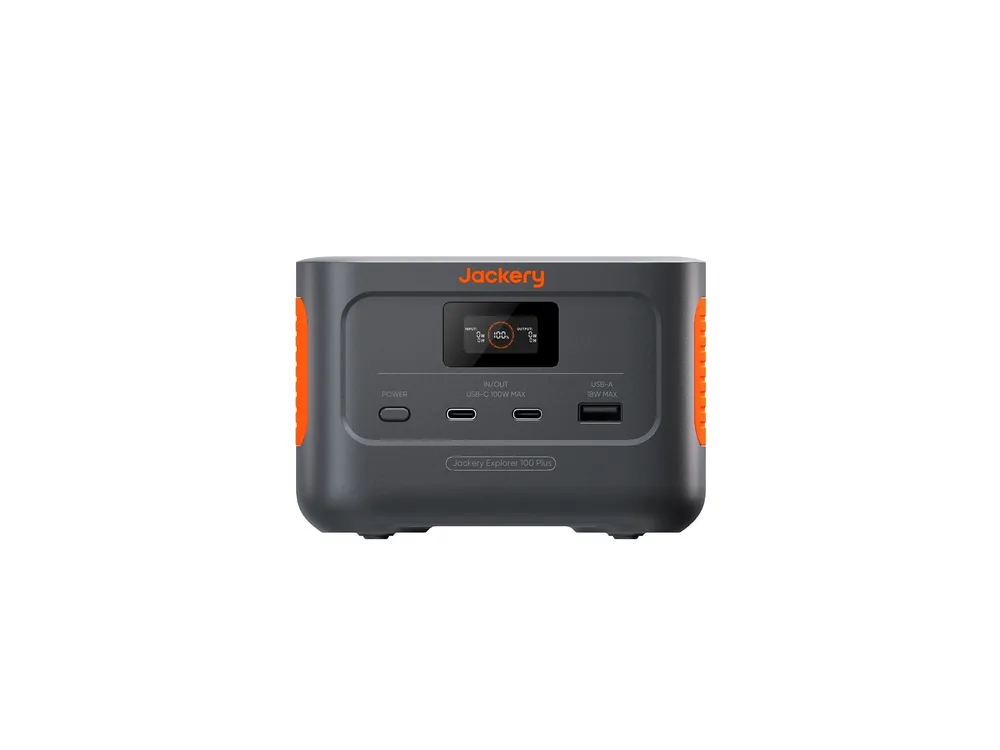
The lowest published list price in this shortlist ($149).
99 Wh · 2.1 lb · $1.51/Wh
Every entry carries its trade-offs. They are computed by comparing the model with the others in its own capacity band, so they are statements about this dataset rather than opinions.
Why it is here: Most portable (Wh per pound) — capacity in Wh ÷ net weight in lb (higher is better)
Who should skip it: Skip it if you need to run a fridge overnight or back up a house — the capacity is not there.
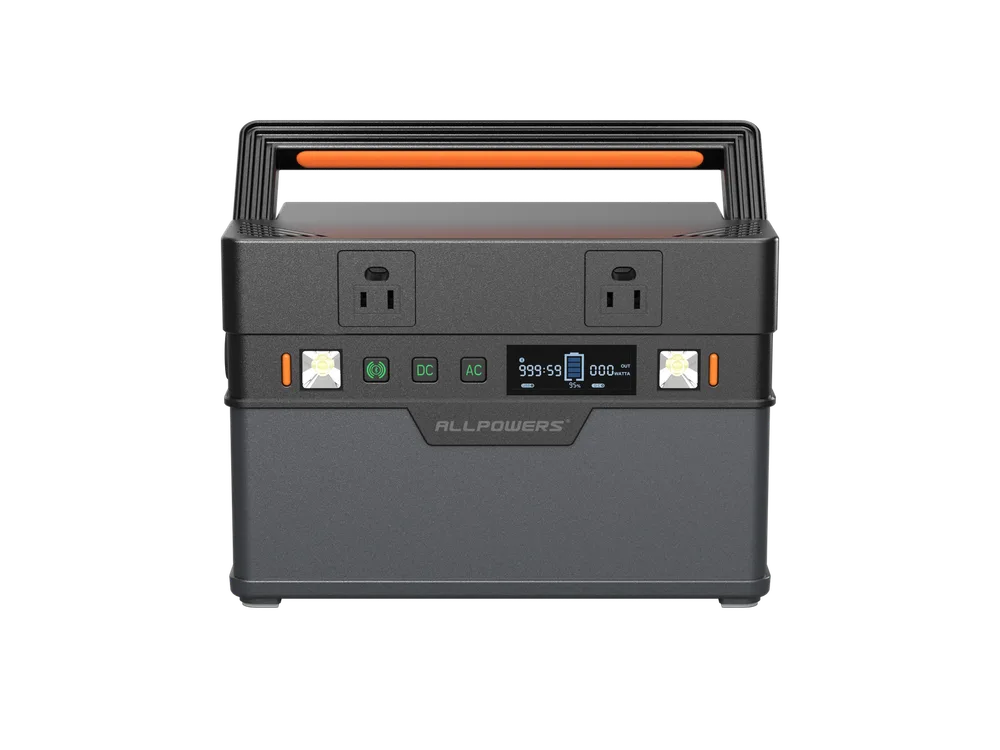
Why it is here: Most portable (Wh per pound) — capacity in Wh ÷ net weight in lb (higher is better)
Who should skip it: Skip it if you want the cheapest watt-hours in this size; the value ranking has cheaper options.
Why it is here: Most portable (Wh per pound) — capacity in Wh ÷ net weight in lb (higher is better)
Who should skip it: Skip it if you need to run a fridge overnight or back up a house — the capacity is not there.
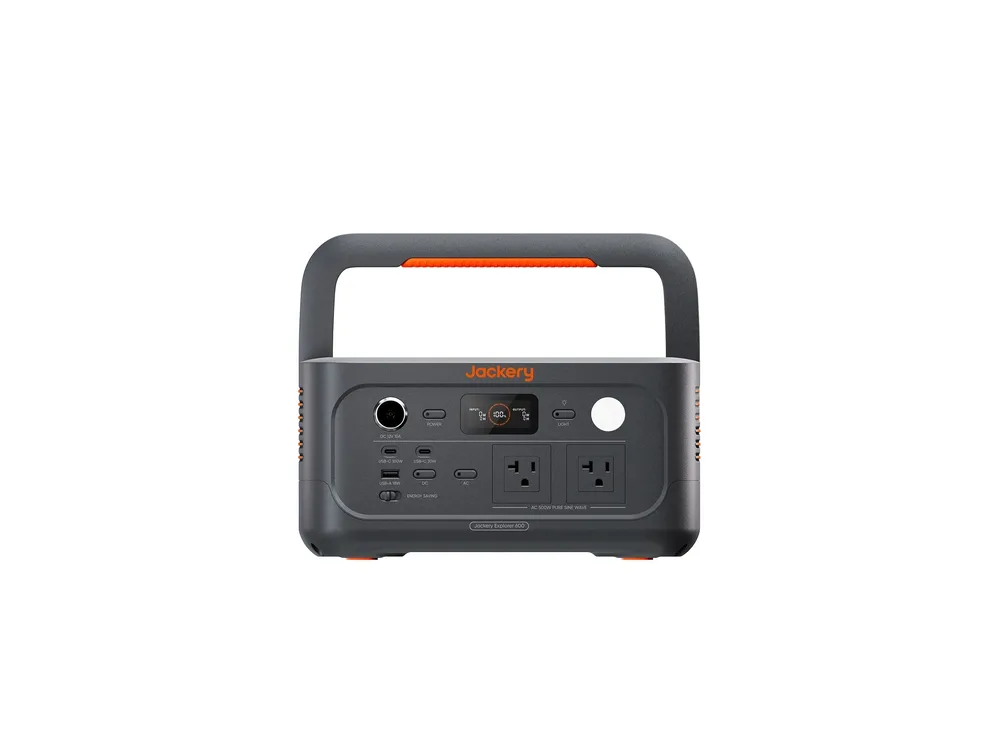
Why it is here: Most portable (Wh per pound) — capacity in Wh ÷ net weight in lb (higher is better)
Who should skip it: Skip it if you want the cheapest watt-hours in this size; the value ranking has cheaper options.
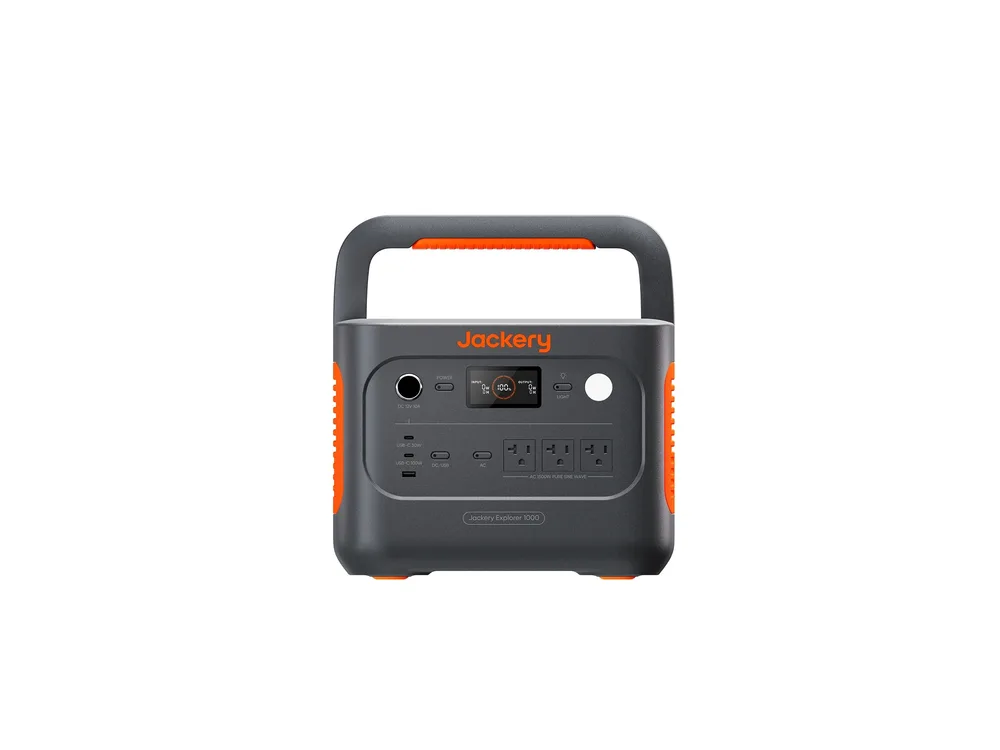
Why it is here: Most portable (Wh per pound) — capacity in Wh ÷ net weight in lb (higher is better)
Who should skip it: Skip it if you want the cheapest watt-hours in this size; the value ranking has cheaper options.
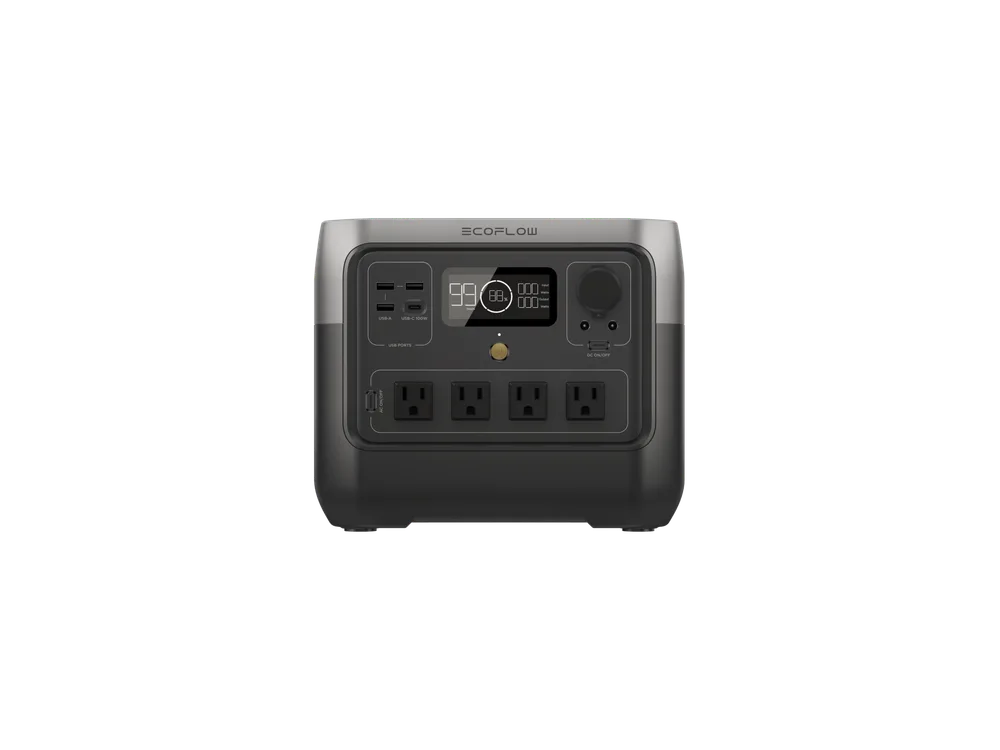
Why it is here: Most portable (Wh per pound) — capacity in Wh ÷ net weight in lb (higher is better)
Who should skip it: Skip it if you want the cheapest watt-hours in this size; the value ranking has cheaper options.
For phones, a laptop, lights and a 12V cooler, 300–600 Wh covers a weekend without recharging. Add a compressor fridge running overnight and you move into the 500–1,000 Wh band and should plan to recharge daily — from solar, the car, or a mains socket before you leave.
The number that trips people up is the fridge. It cycles rather than running constantly, so its daily energy depends on ambient temperature and how often it is opened. Size generously and treat recharge as the real constraint.
Watt-hours per pound is the only comparable portability figure, and it is published in the data behind this page. Compare within a capacity band: small units always score better on it, because enclosures, inverters and cables do not shrink in proportion to capacity.
A folding handle, a balanced weight and a shape that fits a trunk matter in practice and do not appear in any spec sheet. Treat the metric as a shortlist tool, not a verdict.
A panel only helps if the station will accept its wattage. Check the maximum solar input before buying panels, and expect real output well below the panel’s rating in anything but clear midday sun. For a weekend trip with a car, charging before you leave is usually cheaper than a panel.
Camping loads are small but not trivial: a 12V cooler, a camera battery charger, a laptop brick. Check the continuous wattage covers them together, and that the surge rating starts anything with a motor.
300–600 Wh for phones, lights and a laptop over a weekend. If a compressor fridge is involved, plan for the 500–1,000 Wh band and a daily recharge rather than a bigger battery alone.
Some are. The models near the top of this list carry their capacity more efficiently than others at the same size — that is what the Wh-per-pound figure is for. If you will carry it any distance, weight the metric heavily.
Many models accept a 12V or alternator input, usually at a modest rate that is enough to top up over a day of driving rather than to recharge quickly. Check the input options on the model page.