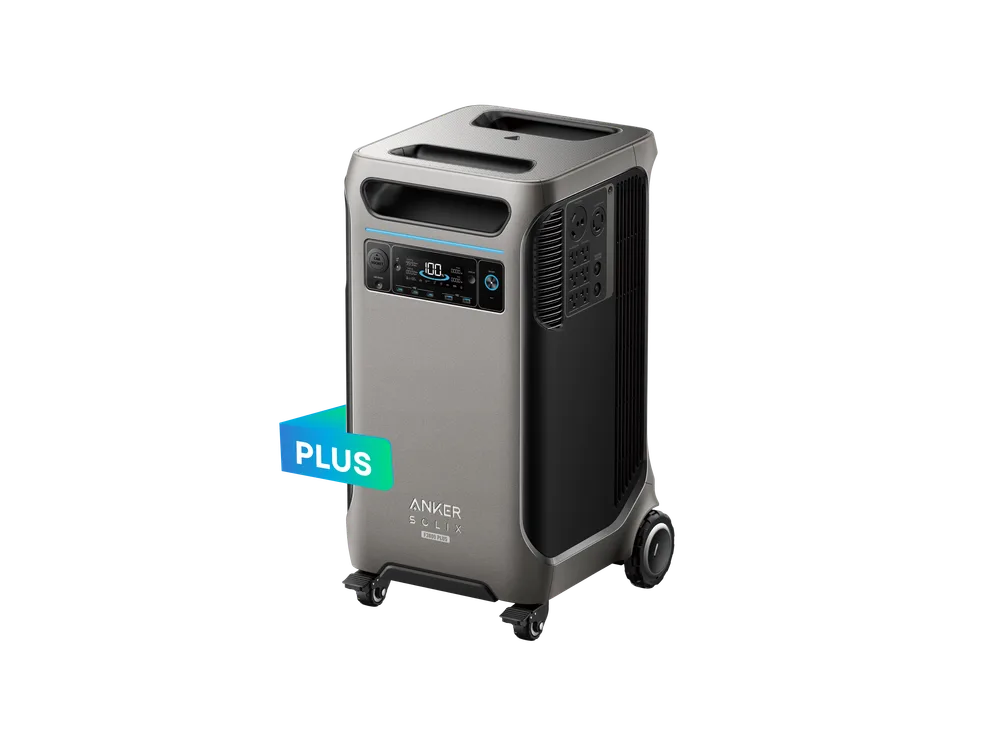
Anker SOLIX F3800 Plus
Top of the ranking on this page, using the criteria below.
3.84 kWh · 6 kW AC · 72.8 lb · $0.62/Wh
Best of · Home backup
A blackout kit is judged by two things: whether it keeps sensitive equipment alive through the switch, and how long it runs the essentials. This list ranks on home-backup readiness — output, expandability, UPS behaviour and value — and is honest about the loads a battery cannot carry.
WattPicks does not test power stations, and this page does not claim to. Every specification, price and derived figure is read from the manufacturers’ own product pages; the ranking is computed from that data using the criteria stated above, not from first-hand use.
68 models in the dataset match this page’s scope, and 65 of them publish a list price, which is what the value figures need. Nothing here has been tested by us.
Top of the ranking on this page, using the criteria below.
3.84 kWh · 6 kW AC · 72.8 lb · $0.62/Wh
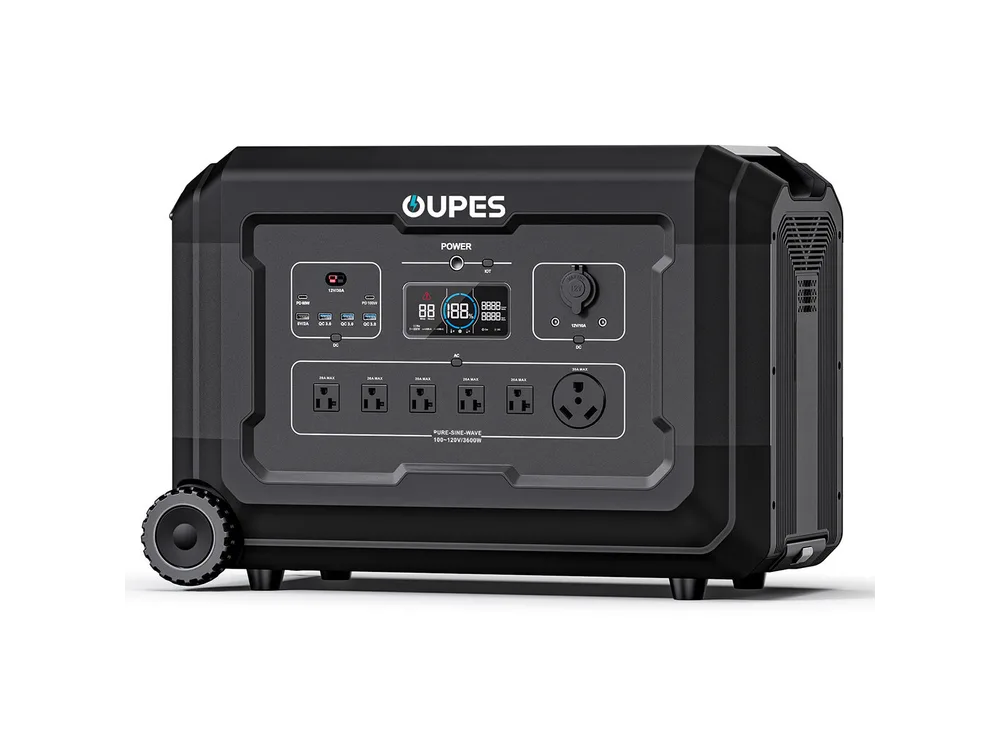
The lowest published list price in this shortlist ($1,199).
3.07 kWh · 3.6 kW AC · 83.3 lb · $0.39/Wh
Every entry carries its trade-offs. They are computed by comparing the model with the others in its own capacity band, so they are statements about this dataset rather than opinions.
Why it is here: Best for home backup — weighted score over switchover time, output-to-capacity ratio and capacity
Who should skip it: Skip it if you have to carry it any distance; this is a leave-it-in-place unit.
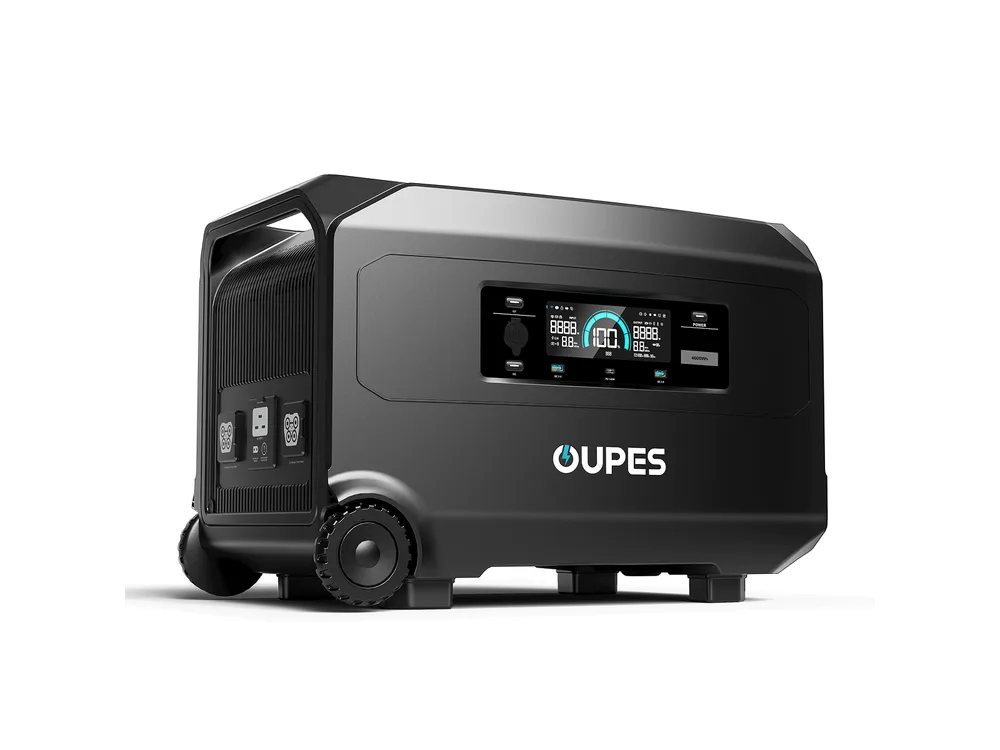
Why it is here: Best for home backup — weighted score over switchover time, output-to-capacity ratio and capacity
Who should skip it: Skip it if you have to carry it any distance; this is a leave-it-in-place unit.
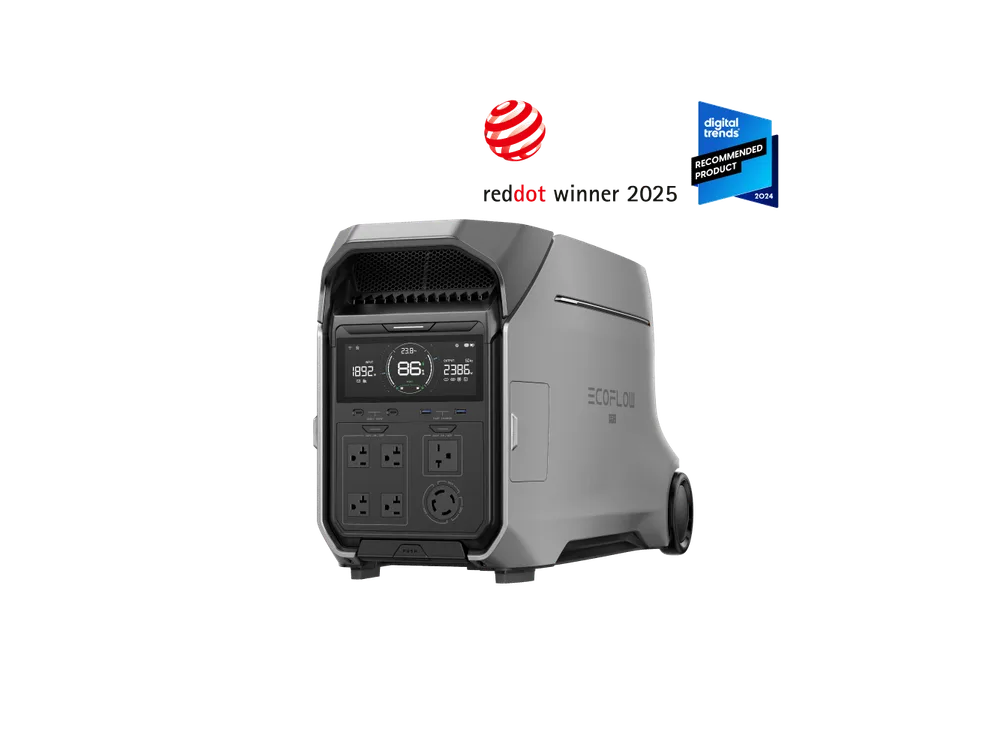
Why it is here: Best for home backup — weighted score over switchover time, output-to-capacity ratio and capacity
Who should skip it: Skip it if you have to carry it any distance; this is a leave-it-in-place unit.
Why it is here: Best for home backup — weighted score over switchover time, output-to-capacity ratio and capacity
Who should skip it: Skip it if you have to carry it any distance; this is a leave-it-in-place unit.
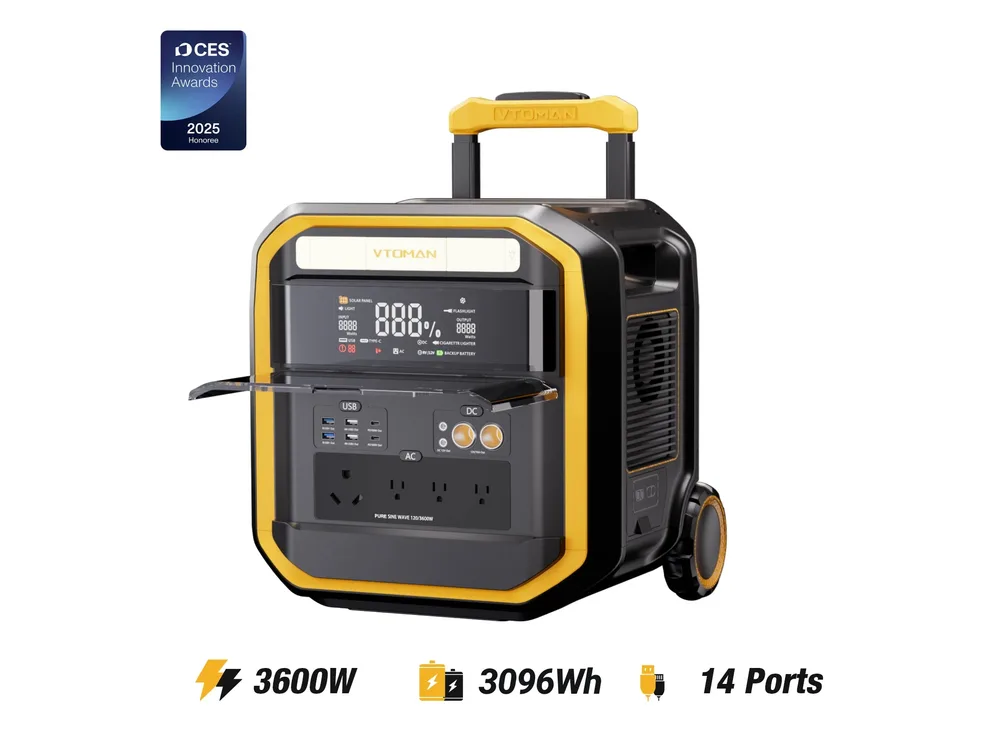
Why it is here: Best for home backup — weighted score over switchover time, output-to-capacity ratio and capacity
Who should skip it: Skip it if you have to carry it any distance; this is a leave-it-in-place unit.
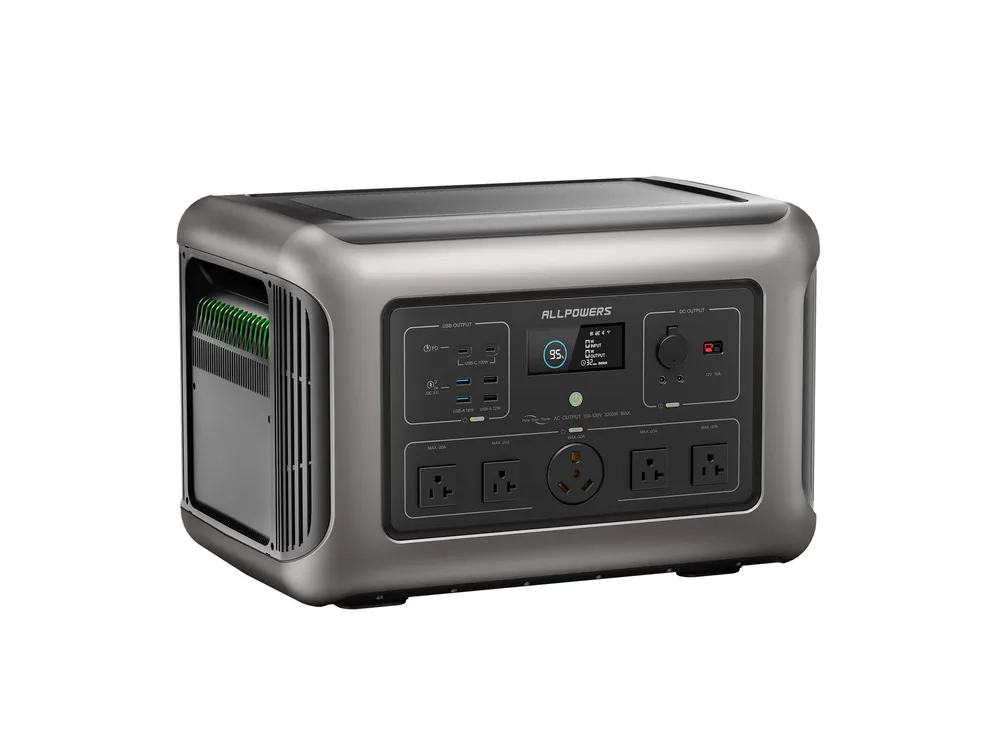
Why it is here: Best for home backup — weighted score over switchover time, output-to-capacity ratio and capacity
Who should skip it: Skip it if you have to carry it any distance; this is a leave-it-in-place unit.
A power station is excellent at the loads people actually miss: fridge, freezer, internet router, modem, phone charging, a few lamps, a CPAP machine. It is poor at anything that heats: space heaters, electric kettles, ovens, and usually a well pump or a whole-home air conditioner.
If your outage plan includes heating or a well pump, the honest answer is a generator for that load and a station for the rest — the station rides through the seconds while the generator starts and covers the quiet overnight hours.
A station with a published UPS switchover time under about 20 ms behaves like an uninterruptible power supply: a desktop, a router or a modem keeps running through the transfer. Units without a published figure may still work, but we cannot tell you they will — and the trade-offs on each entry above say when that figure is missing.
Runtime is capacity divided by load, with losses. Assume roughly 85% inverter efficiency and about 90% usable depth of discharge, so a 1,000 Wh station delivers roughly 765 Wh of usable AC energy. A fridge that draws 60 W while running, cycling a third of the time, averages 20 W — about 480 Wh a day, which one 1,000 Wh station covers and a 500 Wh unit does not.
For home backup, an expandable station plus a battery added later is usually better value than buying the largest unit up front. It lets you start with what your outage history justifies, and it means a failed battery replaces a battery rather than the whole system.
A backup battery is only useful at full charge. Keep it topped up, exercise it a couple of times a year, and store it somewhere it will not sit at 100% in summer heat — heat plus full charge is what ages a cell fastest.
Yes, and it is the load most owners care about. A fridge that averages 20 W of draw uses roughly 480 Wh a day, so a 1,000 Wh station covers a day with margin. Check the surge rating starts the compressor.
A router and modem together typically draw under 30 W, so a 1,000 Wh station can run them for a very long time relative to the rest of the house. If the station publishes a sub-20 ms UPS switchover, it will also ride through the initial outage without a reboot.
For the first day and for anything indoors, usually yes: silent, no exhaust, no fuel, instant switchover. For multi-day outages or heating loads, no — a battery cannot refuel itself. Many households end up with both.
Start from the essentials you actually want to run, add their watt-hours for 24 hours, and add headroom. For most households that lands in the 1,000–2,000 Wh range, expandable if the budget allows.