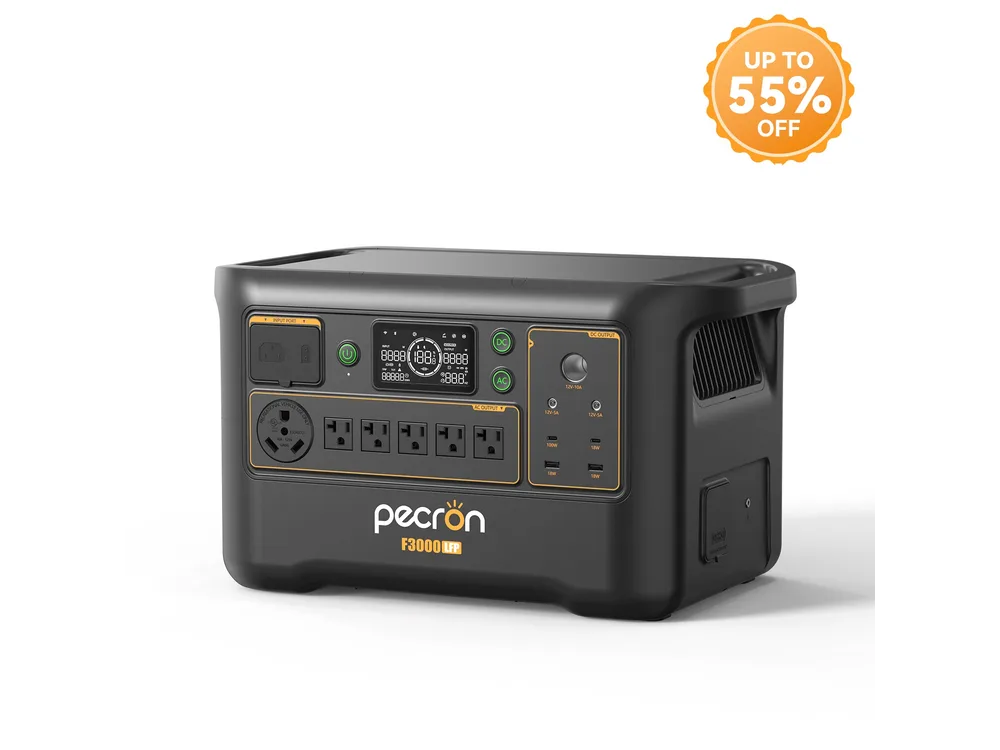
PECRON F3000LFP
Top of the ranking on this page, using the criteria below.
3.07 kWh · 3.6 kW AC · 63.3 lb · $0.29/Wh
Best of · All sizes
There is no single best power station, because the category spans a 300 Wh weekend pack and a 6 kWh home-backup system. What there is: a best choice for a given size and job. This page states the criteria, ranks the models in our dataset against them, and names what you give up with each.
WattPicks does not test power stations, and this page does not claim to. Every specification, price and derived figure is read from the manufacturers’ own product pages; the ranking is computed from that data using the criteria stated above, not from first-hand use.
107 models in the dataset match this page’s scope, and 104 of them publish a list price, which is what the value figures need. Nothing here has been tested by us.
Top of the ranking on this page, using the criteria below.
3.07 kWh · 3.6 kW AC · 63.3 lb · $0.29/Wh
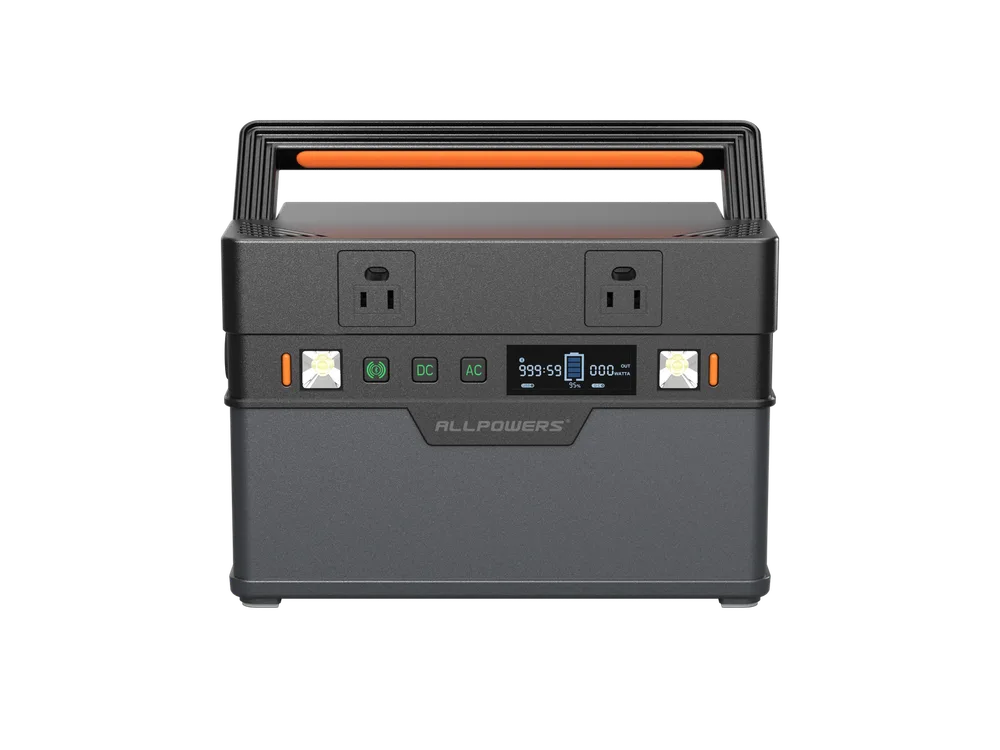
The lowest published list price in this shortlist ($179).
606 Wh · 700 W AC · 11.7 lb · $0.30/Wh
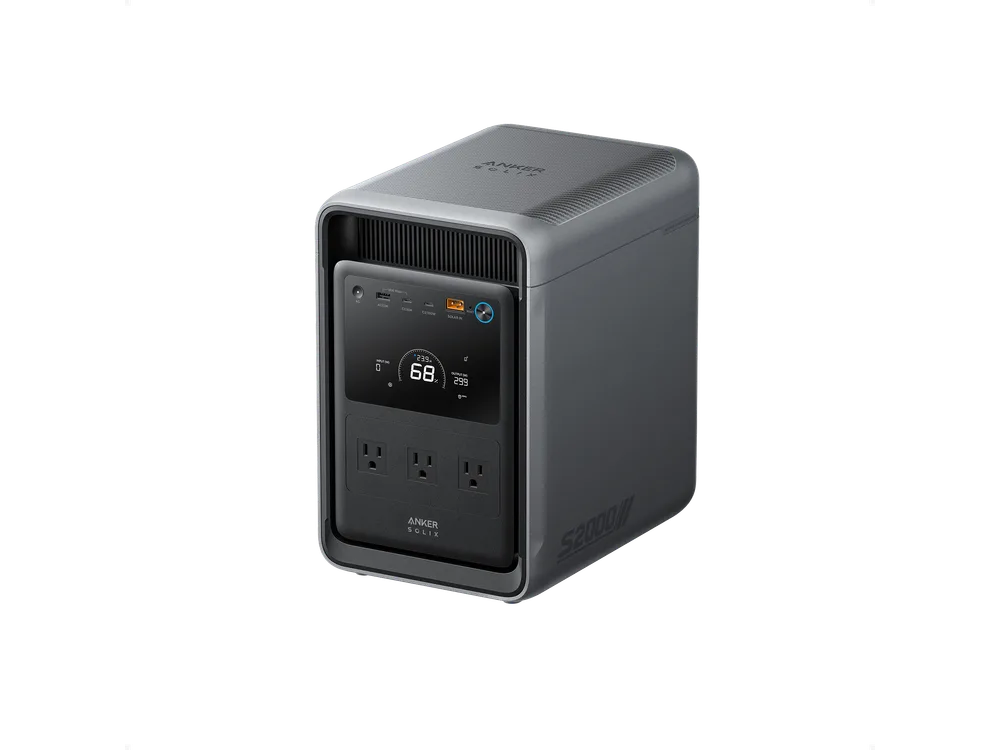
56.3 Wh per pound — the best in this shortlist.
2.01 kWh · 1.5 kW AC · 35.7 lb · $0.34/Wh
Every entry carries its trade-offs. They are computed by comparing the model with the others in its own capacity band, so they are statements about this dataset rather than opinions.
Why it is here: Lowest cost per watt-hour in this shortlist.
Who should skip it: Skip it if you have to carry it any distance; this is a leave-it-in-place unit.
Why it is here: Lowest cost per watt-hour in this shortlist.
Who should skip it: Skip it if you want the cheapest watt-hours in this size; the value ranking has cheaper options.
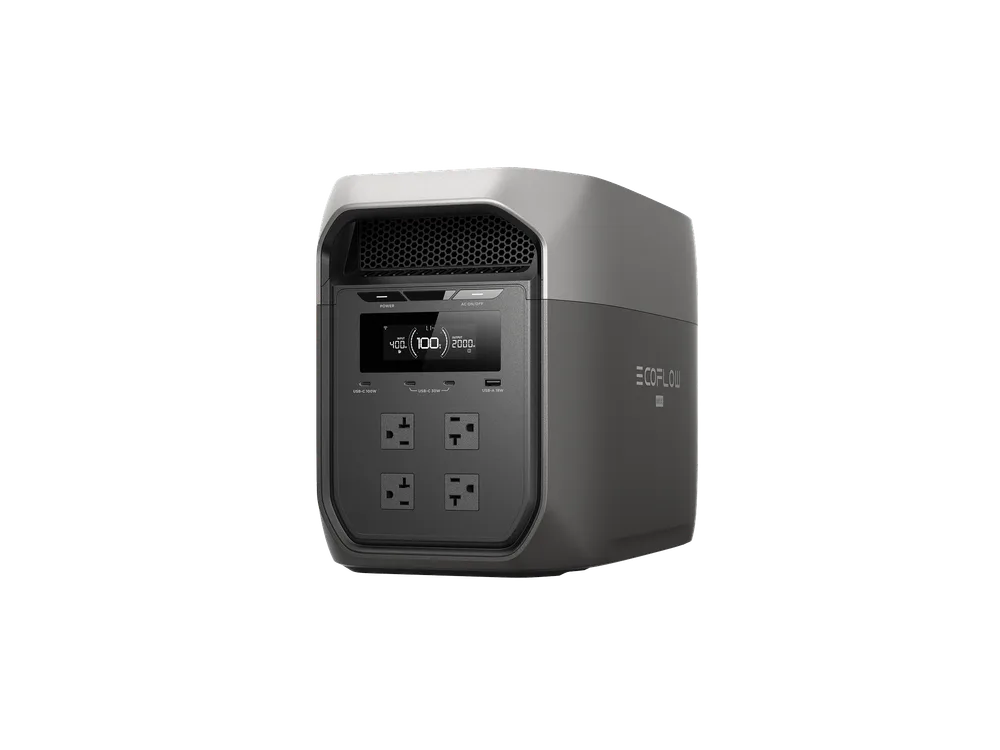
Why it is here: Lowest cost per watt-hour in this shortlist.
Who should skip it: Skip it if you have to carry it any distance; this is a leave-it-in-place unit.
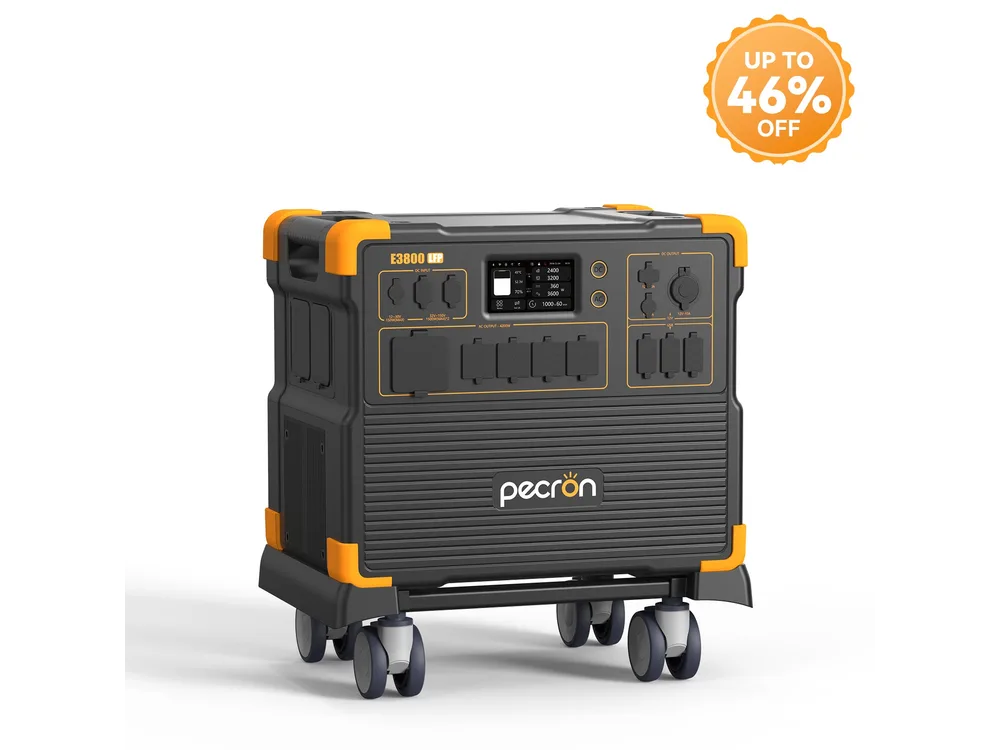
Why it is here: Lowest cost per watt-hour in this shortlist.
Who should skip it: Skip it if you have to carry it any distance; this is a leave-it-in-place unit.
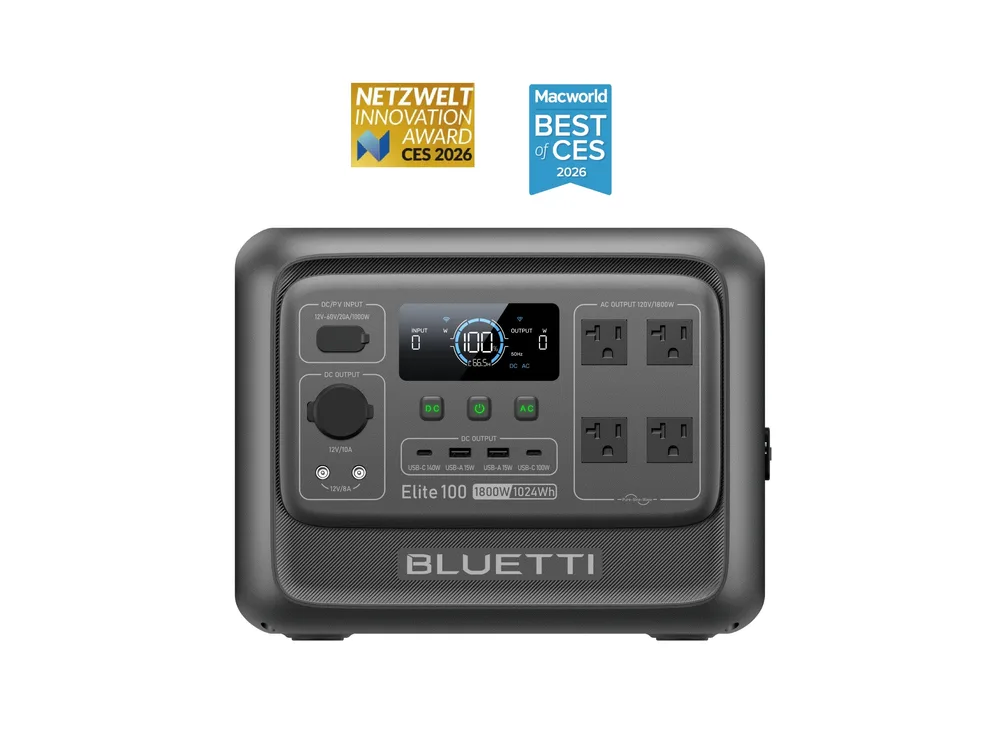
Why it is here: Lowest cost per watt-hour in this shortlist.
Who should skip it: Skip it if you want the cheapest watt-hours in this size; the value ranking has cheaper options.
Why it is here: Lowest cost per watt-hour in this shortlist.
Who should skip it: Skip it if you want the cheapest watt-hours in this size; the value ranking has cheaper options.
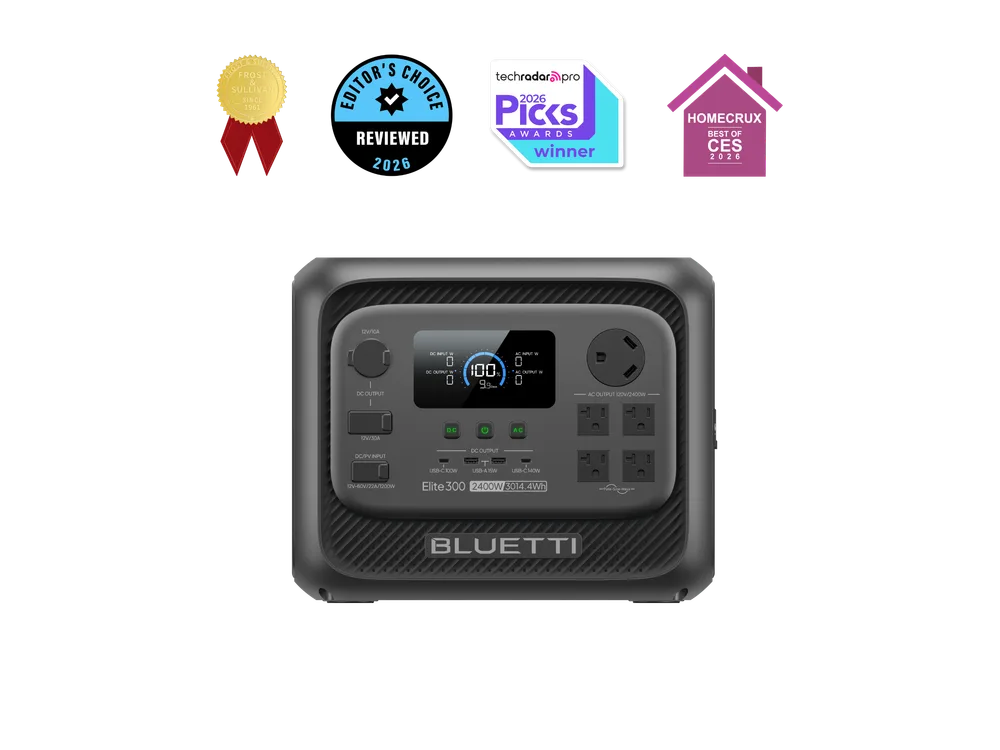
Why it is here: Lowest cost per watt-hour in this shortlist.
Who should skip it: Skip it if you have to carry it any distance; this is a leave-it-in-place unit.
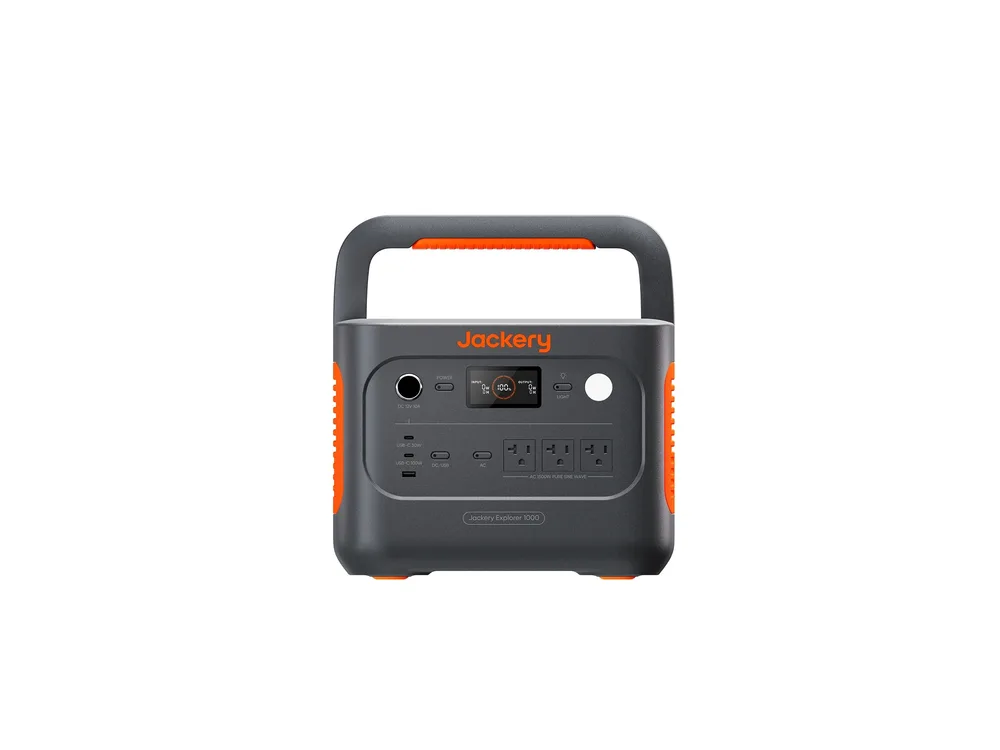
Why it is here: Lowest cost per watt-hour in this shortlist.
Who should skip it: Skip it if you want the cheapest watt-hours in this size; the value ranking has cheaper options.
The single most common mistake in this category is buying a brand instead of a size. A 500 Wh unit from a premium brand will not run a fridge overnight, and a 2 kWh unit from a value brand will. Decide the capacity you need first — that is the decision that cannot be fixed later.
LiFePO4 units in this dataset carry vendor cycle ratings in the thousands; the NMC (lithium-ion) units are typically rated around 500. If you will cycle the station regularly, that gap is the difference between a five-year purchase and a ten-year one. If you only need it light and occasional, NMC is a legitimate choice.
Continuous (rated) watts is what the inverter supplies all day. Peak (surge) watts is a brief ceiling, and it is the number that decides whether a fridge compressor or a pump will start. A station with modest capacity and a strong inverter can start a load that a bigger, weaker unit cannot.
A station you cannot refill is a battery with a countdown. Compare the maximum solar input, the AC recharge time, and whether the unit accepts an alternator or 12V input. A high solar ceiling matters more off-grid than an extra few hundred watt-hours.
Everything on this page comes from the manufacturers’ own product pages. We hold no measured figures: no real-world output, no measured noise, no verified recharge curves. Where a vendor does not publish a field — warranty, noise, UPS switchover, operating temperature — the model page shows it as missing rather than estimating it, and the trade-offs above will say so.
That limitation is stated on every model page and in the methodology. It is also why the ranking is transparent about its inputs: you can check any figure here against the manufacturer’s page.
There is no overall winner, and a page that names one has quietly picked a buyer for you. This ranking balances value, output per dollar, portability and warranty; re-weight those and the order changes. For a specific job, use the scenario pages — camping, home backup, RV — which rank on the criteria that job actually needs.
Size from the largest load you will run, plus its start-up surge, not from the total of everything you own. Our guide on sizing walks through the arithmetic.
If you will cycle the station regularly, usually yes: vendor-stated cycle life in this dataset runs into the thousands for LiFePO4 and around 500 for NMC. If you need the lightest possible unit for occasional use, NMC still has an energy-density advantage.
Because the manufacturer does not publish one on the page we read. We show the gap rather than a stale or estimated price, and those models are excluded from the value-weighted positions.