4–5 on 10 shared metrics
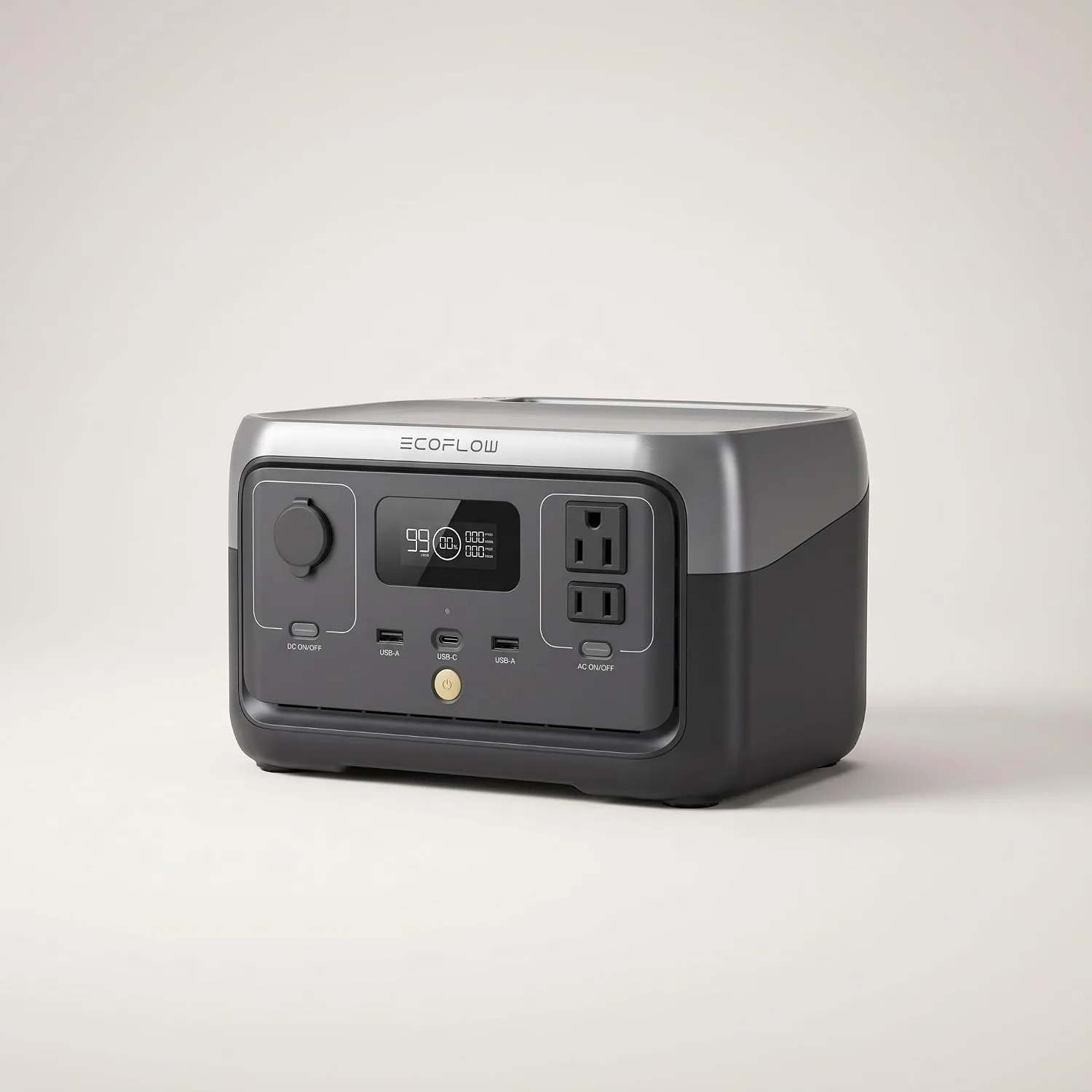
EcoFlow RIVER 2 vs OUPES Exodus 350
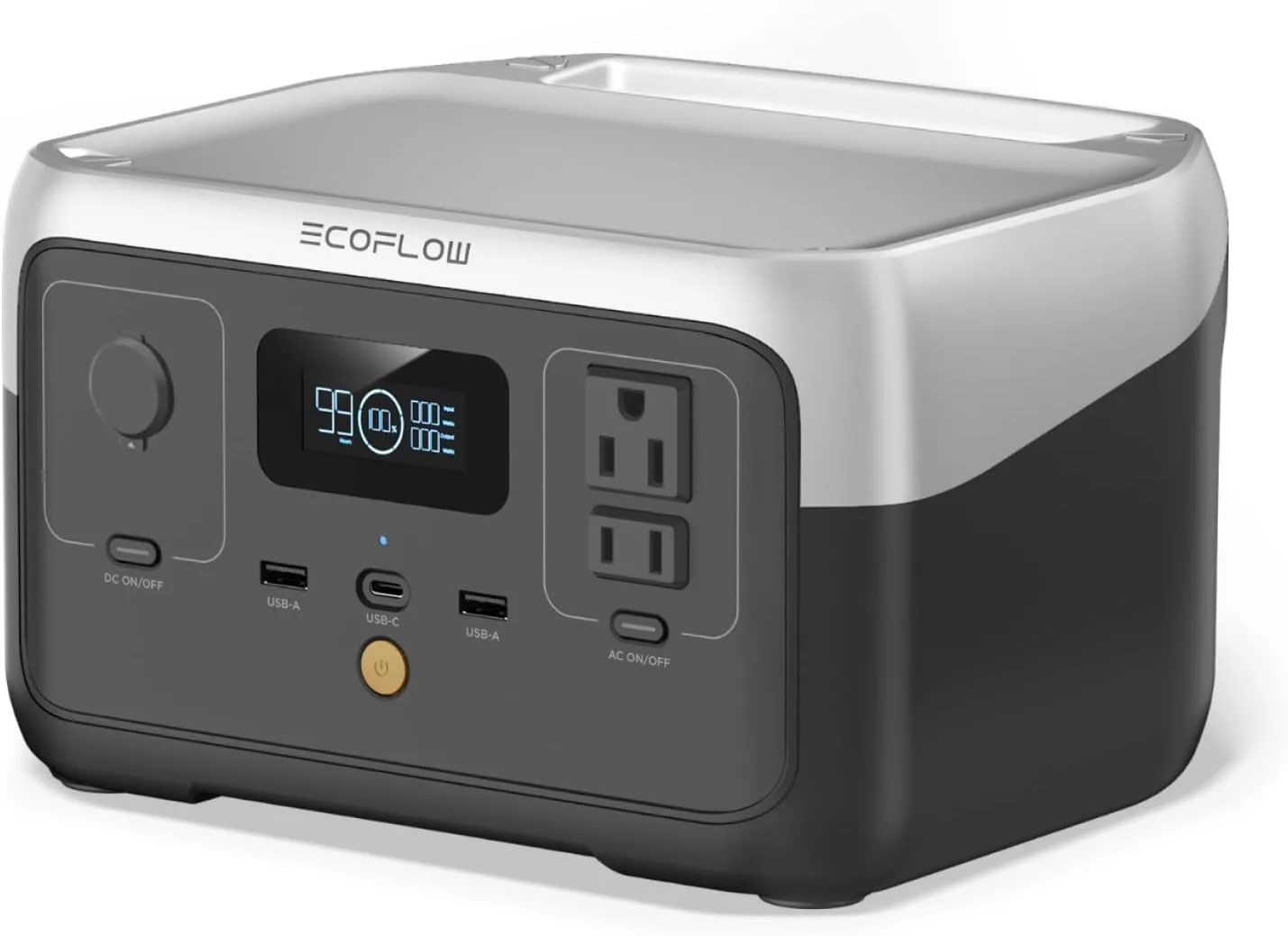
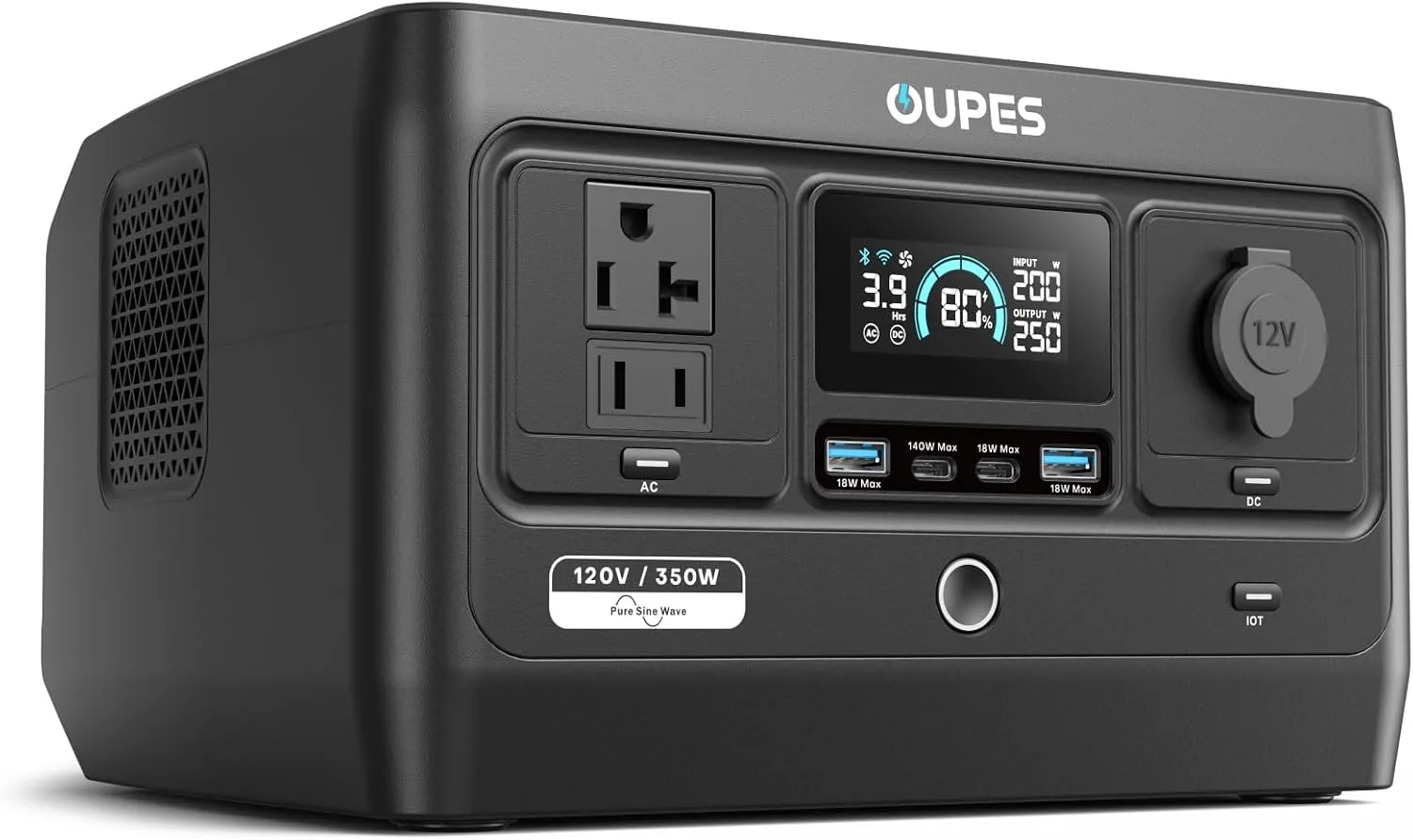
On 10 shared published metrics the Exodus 350 leads 5–4. Capacity sits about 19% apart (243 Wh vs 288 Wh) — close enough for a shortlist, different enough to feel. Choose RIVER 2 when you will move the unit often — it leads on weight and watt-hours per pound.
- Carry / campingRIVER 2
- Longer runtimeExodus 350
- Heavy AC loadsExodus 350
- Value per WhRIVER 2
Who wins which job
Pick RIVER 2 when
EcoFlow RIVER 2
- Weight: 7.7 lb vs 9.2 lb
- List price: $177.65 vs $249.99
- Cost per watt-hour: $0.73 vs $0.87
- Watt-hours per pound: 31.6 Wh/lb vs 31.3 Wh/lb
Buyers who want one system to grow from camping into home backup.
Pick Exodus 350 when
OUPES Exodus 350
- Capacity: 288 Wh vs 243 Wh
- Continuous AC output: 350 W vs 300 W
- Max solar input: 240 W vs 110 W
- Rated cycles: 4,000 cycles vs 3,000 cycles
Buyers who need maximum capacity for the least money and accept the trade-offs.
Spec by spec
A green mark is the better published figure on that row. Blank cells mean the vendor did not publish the number — we do not estimate.
| Metric | RIVER 2 | Exodus 350 | What it means |
|---|---|---|---|
| Capacity | 243 Wh | 288 Wh | How much energy the unit stores. Sets how long everything else can run. |
| Continuous AC output | 300 W | 350 W | The largest load the inverter will run continuously, not counting surge. |
| Weight lower is better | 7.7 lb | 9.2 lb | The spec buyers most often regret ignoring. |
| List price lower is better | $177.65 | $249.99 | Hub catalogue list price (same figure as product pages). Historical lows stay off this column. |
| Cost per watt-hour lower is better | $0.73 | $0.87 | Price divided by capacity. The fairest single value metric. |
| Watt-hours per pound | 31.6 Wh/lb | 31.3 Wh/lb | Capacity you get per pound carried. |
| Max solar input | 110 W | 240 W | Caps how large an array is useful, and therefore off-grid recharge speed. |
| AC recharge time lower is better | 60 min | — | Vendor-stated time to full from a wall outlet. |
| Rated cycles | 3,000 cycles | 4,000 cycles | Vendor claim for charge cycles before capacity degrades to 80%. |
| UPS switchover lower is better | 30 ms | 10 ms | How long the unit takes to switch to battery. Under 20 ms keeps a desktop alive. |
| Warranty | 60 months | 60 months | Stated warranty length from the vendor listing. |
How each one ranks overall
EcoFlow RIVER 2
- #32 of 51 for Best value (cost per watt-hour) ($0.73)
- #40 of 50 for Most portable (Wh per pound) (31.6 Wh/lb)
- #28 of 51 for Most inverter headroom (123 W/100Wh)
- #23 of 25 for Fastest AC recharge (243 W)
- #39 of 40 for Highest solar input (110 W)
- #40 of 42 for Longest service life (729 kWh)
- #34 of 51 for Most output per dollar (1.69 W/$)
- #24 of 25 for Best for home backup (49/100)
- #22 of 51 for Longest warranty (60 mo)
OUPES Exodus 350
- #37 of 51 for Best value (cost per watt-hour) ($0.87)
- #41 of 50 for Most portable (Wh per pound) (31.3 Wh/lb)
- #29 of 51 for Most inverter headroom (122 W/100Wh)
- #30 of 40 for Highest solar input (240 W)
- #34 of 42 for Longest service life (1152 kWh)
- #41 of 51 for Most output per dollar (1.40 W/$)
- #22 of 25 for Best for home backup (57/100)
- #15 of 51 for Longest warranty (60 mo)
The brands behind them
EcoFlow
The tech-forward buyer who reads the spec sheet and wants room to grow
Best for: Buyers who want one system to grow from camping into home backup.
Not for: Buyers who want the lowest cost per watt-hour and will never use an app.
All EcoFlow models →OUPES
The price-first buyer comparing watt-hours on a marketplace listing
Best for: Buyers who need maximum capacity for the least money and accept the trade-offs.
Not for: Buyers who value support, app quality or long-term resale.
All OUPES models →Looking past the RIVER 2 vs Exodus 350 head-to-head? Our EcoFlow vs OUPES brand comparison covers both line-ups.
Where these numbers come from. WattPicks does not test power stations — this is a spec profile, not a review. Every figure on this page is taken from EcoFlow’s own product listing and is stored with the vendor’s exact wording, reproduced below. We do not estimate missing specs — a field the vendor does not publish is shown as “—” and excluded from rankings. Source: us.ecoflow.com.
Vendor wording for each figure (8)
capacityWh: “Capacity => 243Wh”acOutputW: “AC Output => 120V 50Hz/60Hz, 300W (Surge 600W)”weight: “Net Weight => 7.7lbs”solarInputW: “Solar Input => 11-30V, 8A, 110W Max”rechargeAcMinutes: “0-100% in only 60 min”cycleLife: “80%+ capacity after 3000 cycles”upsSwitchoverMs: “<30ms EPS auto-switch for essential devices.”warrantyMonths: “<td>RIVER 2</td> <td>5 years</td>”
Where these numbers come from. WattPicks does not test power stations — this is a spec profile, not a review. Every figure on this page is taken from OUPES’s own product listing and is stored with the vendor’s exact wording, reproduced below. We do not estimate missing specs — a field the vendor does not publish is shown as “—” and excluded from rankings. Source: oupes.com.
Vendor wording for each figure (7)
capacityWh: “Exodus 350 Portable Power Station - 288Wh | 350W”acOutputW: “AC Output Power 350W (600W Peak)”weight: “Net Weight 9.15lbs (4.15kg)”solarInputW: “Solar Charging 240W Max (12-35V, MPPT: 15-35V. 12A Max, 240W Max)”cycleLife: “4,000+ charge cycles”upsSwitchoverMs: “UPS/EPS ≤ 10ms, 600W”warrantyMonths: “Basic 5 years warranty.”
Frequently asked
Which is better for most buyers, the EcoFlow RIVER 2 or the OUPES Exodus 350?
The Exodus 350 leads 5–4 on shared published metrics. That edge matters when capacity, continuous ac output, max solar input match what you need; otherwise take the RIVER 2.
I care most about carry / camping — which should I buy?
Choose RIVER 2 when you will move the unit often — it leads on weight and watt-hours per pound.
Method and sources
Every row on this page is a published manufacturer figure from the WattPicks catalog at build time. WattPicks does not run laboratory tests on these units, and blank cells mean the vendor did not publish that metric — not that we estimated it.
Read our methodology for how the catalog is normalized, and about WattPicks for who publishes it.