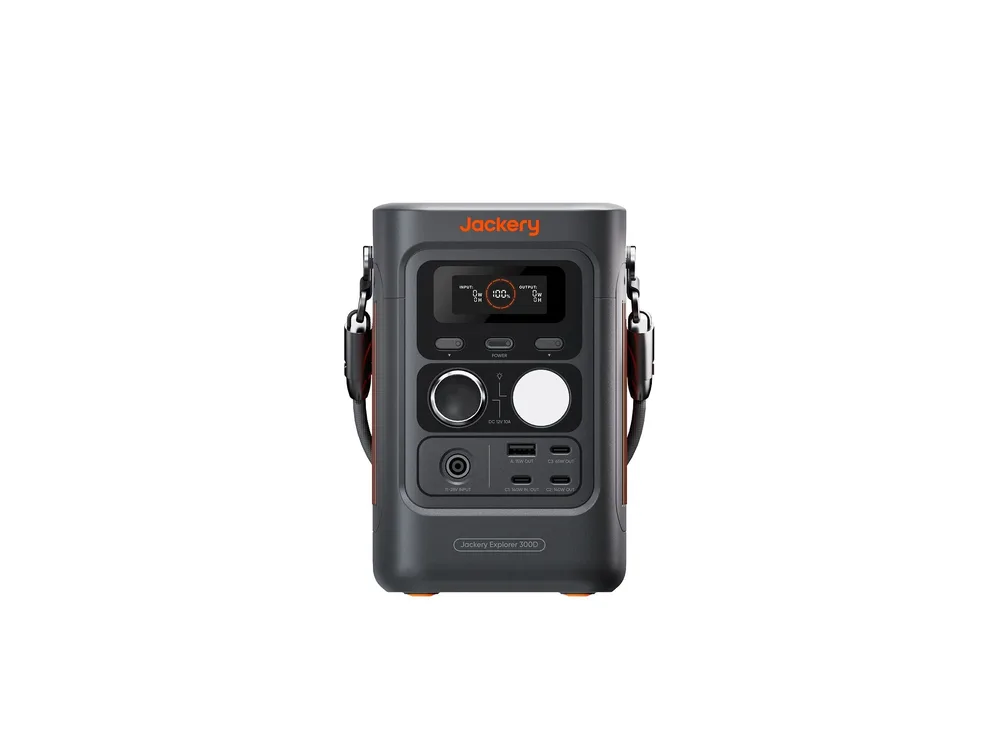
Jackery Explorer 300D
Top of the ranking on this page, using the criteria below.
288 Wh · 300 W AC · 5.5 lb · $0.73/Wh
Best of · Small & light
Small stations are a portability purchase: phones, cameras, a laptop and lights — not a fridge overnight. This list caps capacity at 600 Wh and ranks on watt-hours per pound first, then value.
WattPicks does not test power stations, and this page does not claim to. Every specification, price and derived figure is read from the manufacturers’ own product pages; the ranking is computed from that data using the criteria stated above, not from first-hand use.
29 models in the dataset match this page’s scope, and 29 of them publish a list price, which is what the value figures need. Nothing here has been tested by us.
Top of the ranking on this page, using the criteria below.
288 Wh · 300 W AC · 5.5 lb · $0.73/Wh
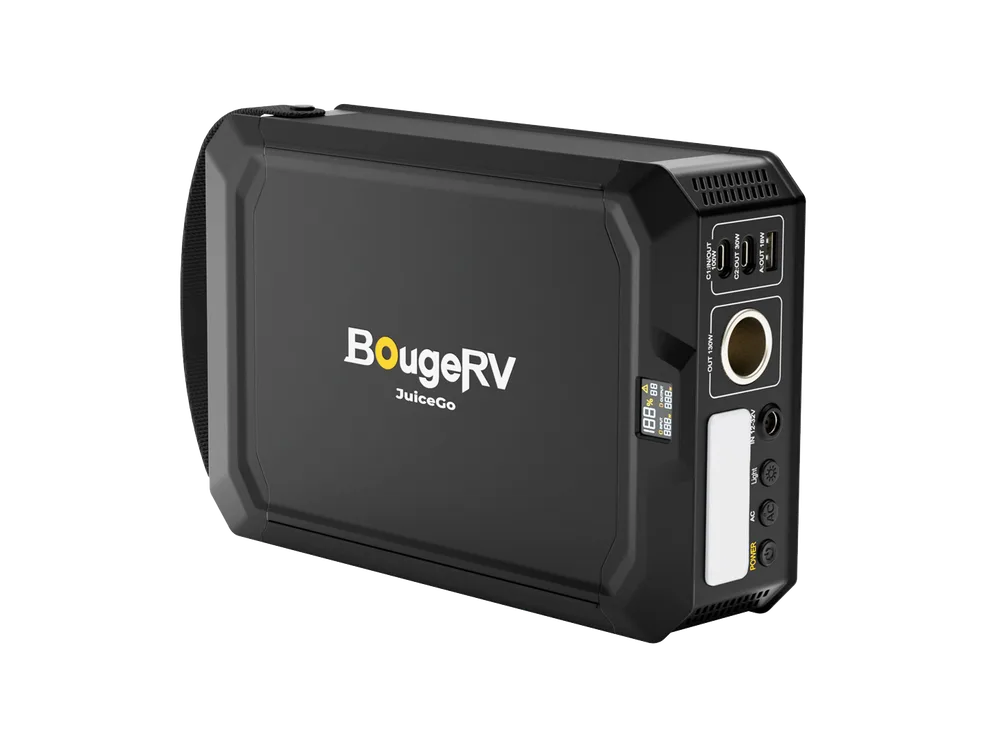
The lowest published list price in this shortlist ($135.99).
240 Wh · 150 W AC · 6.3 lb · $0.57/Wh
Every entry carries its trade-offs. They are computed by comparing the model with the others in its own capacity band, so they are statements about this dataset rather than opinions.
Why it is here: Most portable (Wh per pound) — capacity in Wh ÷ net weight in lb (higher is better)
Who should skip it: Skip it if you need to run a fridge overnight or back up a house — the capacity is not there.
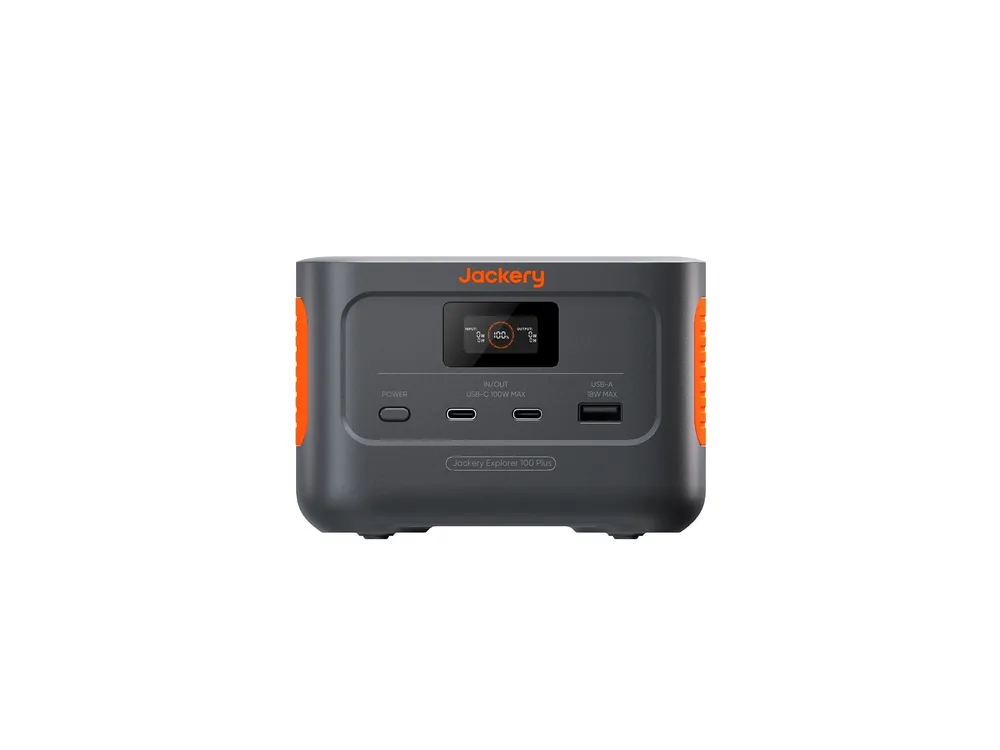
Why it is here: Most portable (Wh per pound) — capacity in Wh ÷ net weight in lb (higher is better)
Who should skip it: Skip it if you need to run a fridge overnight or back up a house — the capacity is not there.
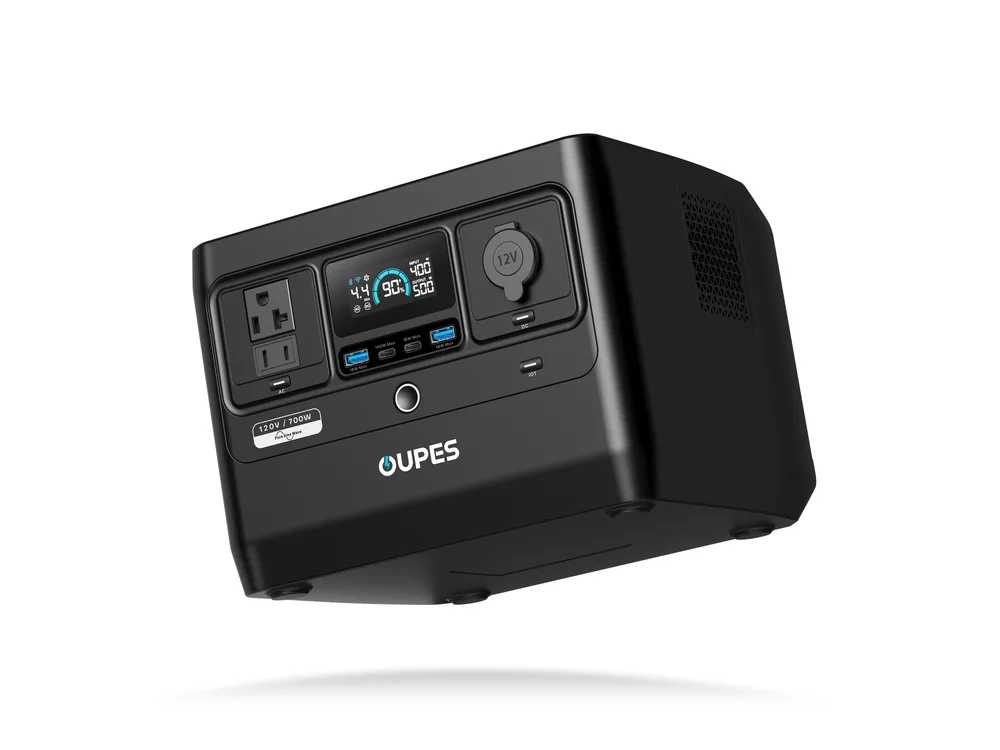
Why it is here: Most portable (Wh per pound) — capacity in Wh ÷ net weight in lb (higher is better)
Who should skip it: Skip it if you want the cheapest watt-hours in this size; the value ranking has cheaper options.
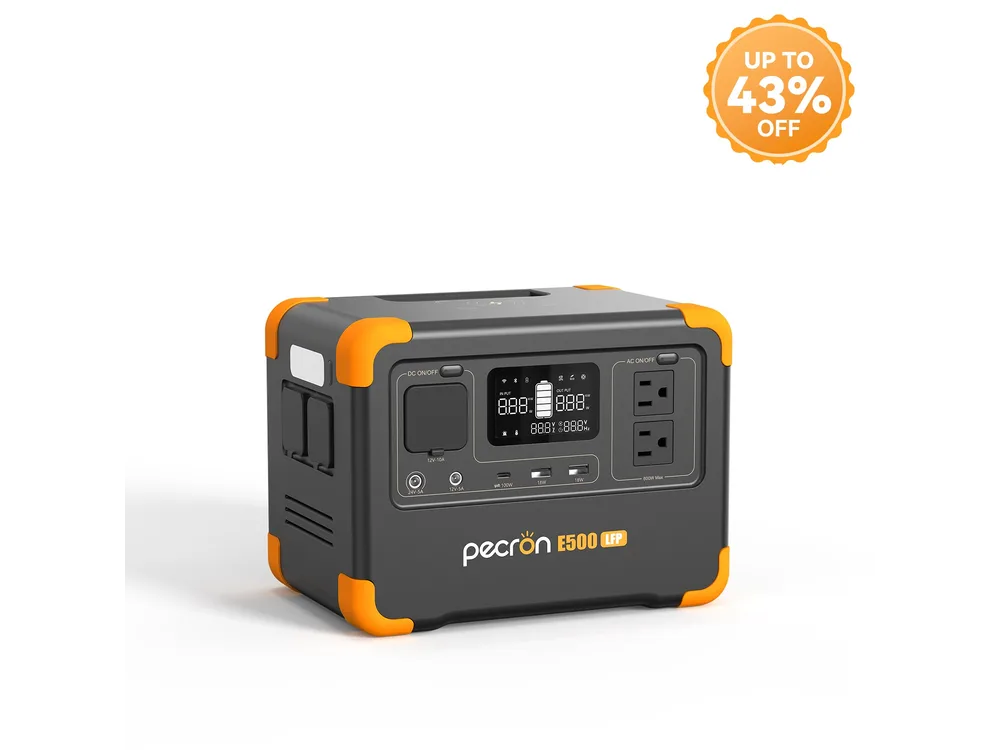
Why it is here: Most portable (Wh per pound) — capacity in Wh ÷ net weight in lb (higher is better)
Who should skip it: Skip it if you want the cheapest watt-hours in this size; the value ranking has cheaper options.
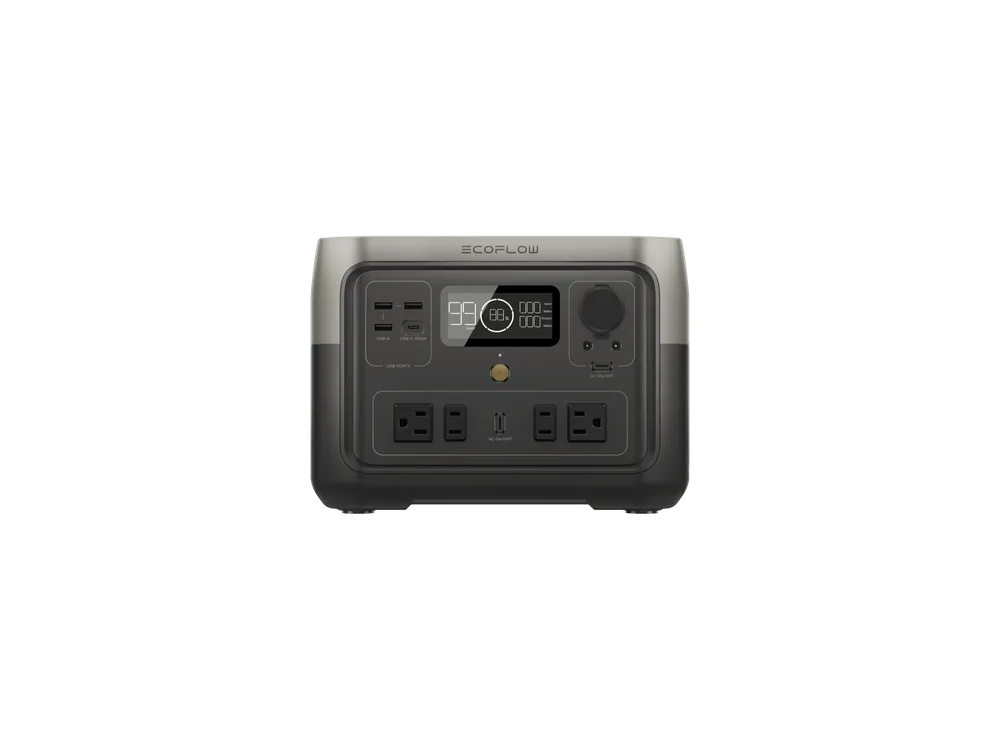
Why it is here: Most portable (Wh per pound) — capacity in Wh ÷ net weight in lb (higher is better)
Who should skip it: Skip it if you want the cheapest watt-hours in this size; the value ranking has cheaper options.
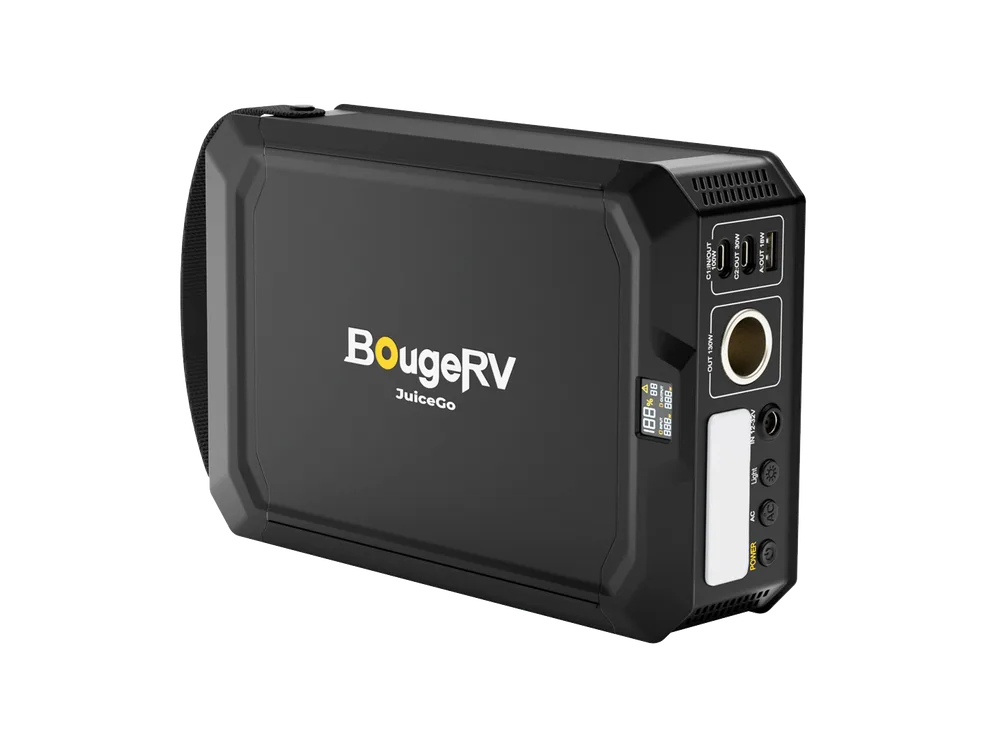
Why it is here: Most portable (Wh per pound) — capacity in Wh ÷ net weight in lb (higher is better)
Who should skip it: Skip it if you need to run a fridge overnight or back up a house — the capacity is not there.
Full JuiceGo 240 (pure sine) spec sheet → All BOUGERV models →
Why it is here: Most portable (Wh per pound) — capacity in Wh ÷ net weight in lb (higher is better)
Who should skip it: Skip it if you need to run a fridge overnight or back up a house — the capacity is not there.
Full JuiceGo 240 (modified sine) spec sheet → All BOUGERV models →
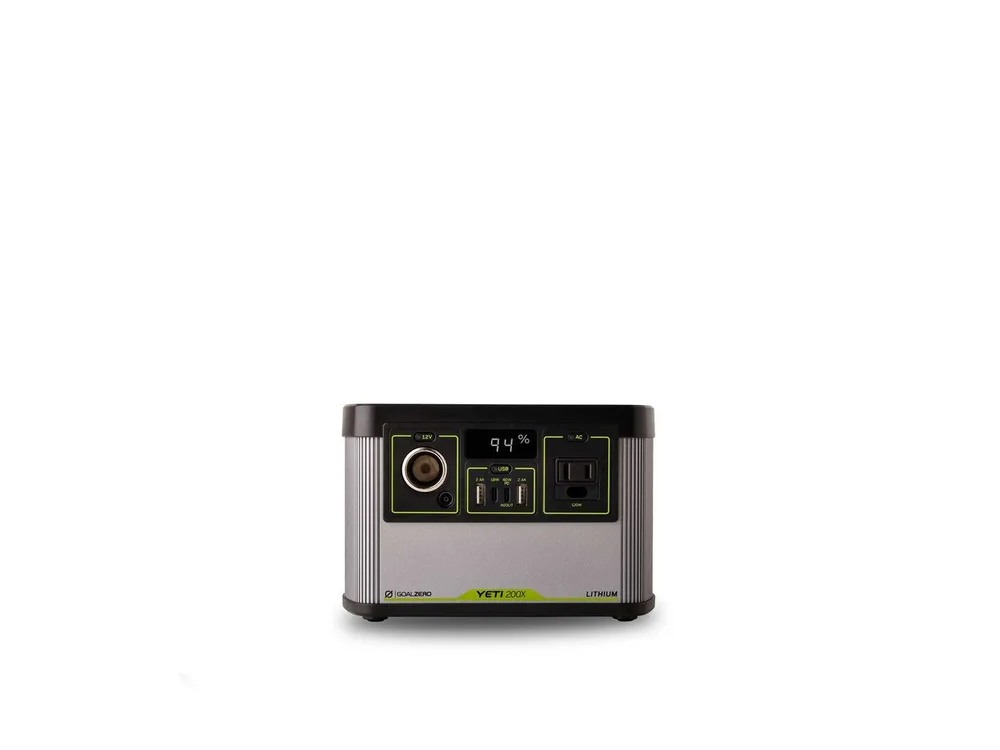
Why it is here: Most portable (Wh per pound) — capacity in Wh ÷ net weight in lb (higher is better)
Who should skip it: Skip it if you need to run a fridge overnight or back up a house — the capacity is not there.
Phones, tablets, camera batteries, a laptop, LED lights and a CPAP without a heated humidifier are the realistic loads. A compressor fridge and anything that heats are out of band.
Small units always look better on portability than large ones when compared across the whole dataset, which is why this page stays inside one band. Within the band, the metric still separates efficient packs from heavy enclosures.
If a fridge, a kettle or home backup is on the list, leave this page for the 500Wh or 1,000Wh class rankings. Paying for capacity you will not carry is the usual mistake in the other direction.
The one that carries the most watt-hours per pound for your budget inside this band. There is no overall winner once the job changes — a backpacking pack and a car-camping fridge battery are different purchases.
For phones, lights and a camera, usually yes. For a laptop-heavy trip, check watt-hours and weight together; some mid-band units are still a heavy carry.
Often for one night without a heated humidifier. Roughly 30–40 W over eight hours is around 300 Wh before inverter losses — check your machine’s draw.