
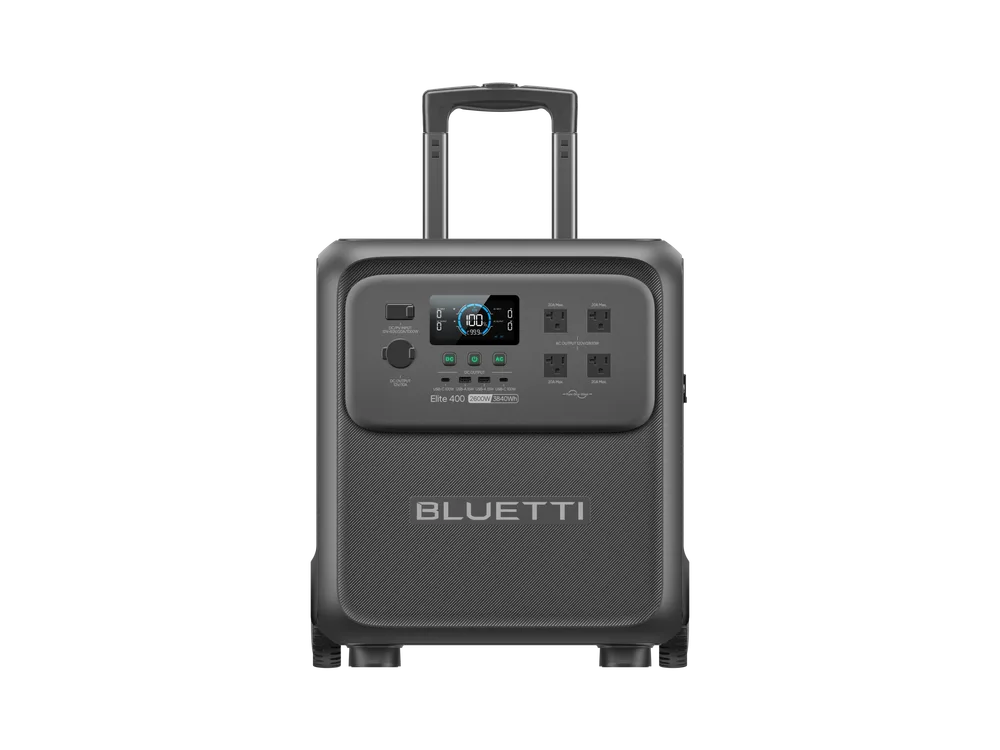
BLUETTI Elite 400
Top of the ranking on this page, using the criteria below.
3.84 kWh · 2.6 kW AC · 86.0 lb · $0.34/Wh
Best of · Off-grid
Off-grid is a recharge problem more than a capacity problem: a large battery with a small solar ceiling still goes flat. This list ranks models our dataset places at 1,000 Wh and above on solar input, rated battery life, expandability and value — and names what each one cannot carry.
WattPicks does not test power stations, and this page does not claim to. Every specification, price and derived figure is read from the manufacturers’ own product pages; the ranking is computed from that data using the criteria stated above, not from first-hand use.
68 models in the dataset match this page’s scope, and 65 of them publish a list price, which is what the value figures need. Nothing here has been tested by us.
Top of the ranking on this page, using the criteria below.
3.84 kWh · 2.6 kW AC · 86.0 lb · $0.34/Wh
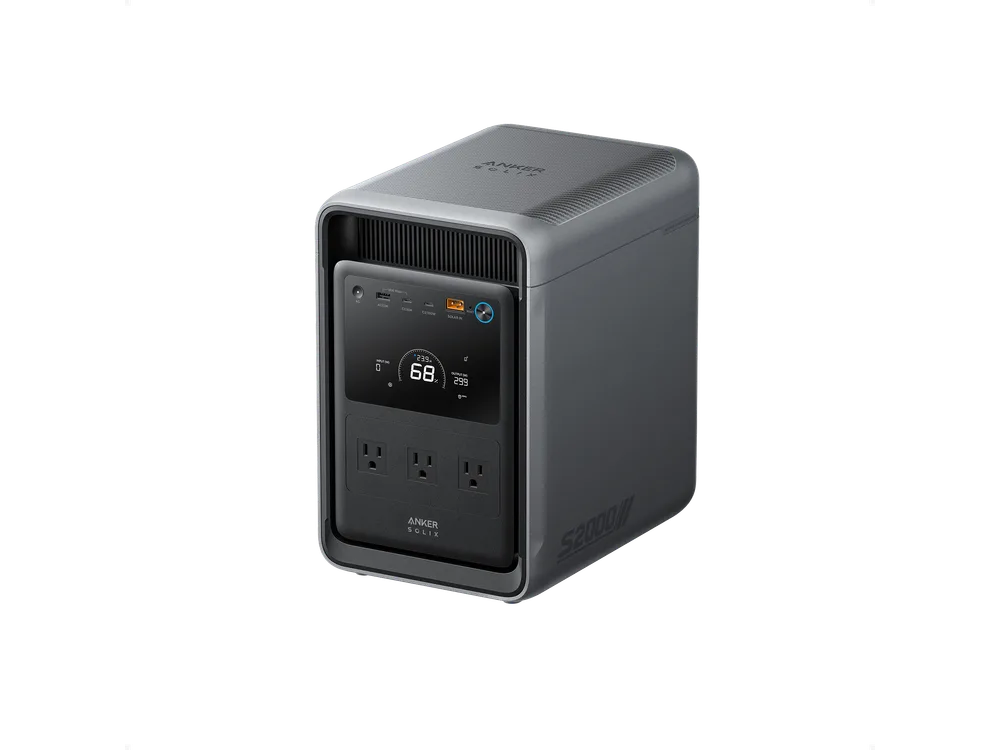
The lowest published list price in this shortlist ($679).
2.01 kWh · 1.5 kW AC · 35.7 lb · $0.34/Wh
Every entry carries its trade-offs. They are computed by comparing the model with the others in its own capacity band, so they are statements about this dataset rather than opinions.
Why it is here: WattPicks balanced score — average percentile across Highest solar input, Longest service life, Most expandable, Best value (cost per watt-hour) (higher is better)
Who should skip it: Skip it if you have to carry it any distance; this is a leave-it-in-place unit.
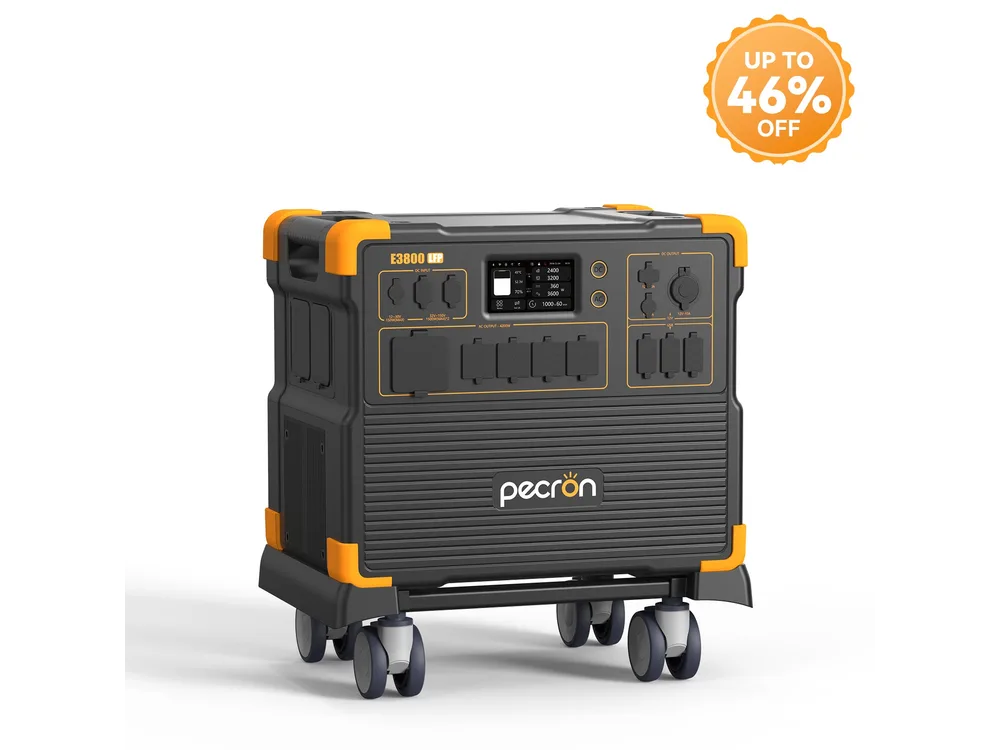
Why it is here: WattPicks balanced score — average percentile across Highest solar input, Longest service life, Most expandable, Best value (cost per watt-hour) (higher is better)
Who should skip it: Skip it if you have to carry it any distance; this is a leave-it-in-place unit.
Why it is here: WattPicks balanced score — average percentile across Highest solar input, Longest service life, Most expandable, Best value (cost per watt-hour) (higher is better)
Who should skip it: Skip it if you want the cheapest watt-hours in this size; the value ranking has cheaper options.
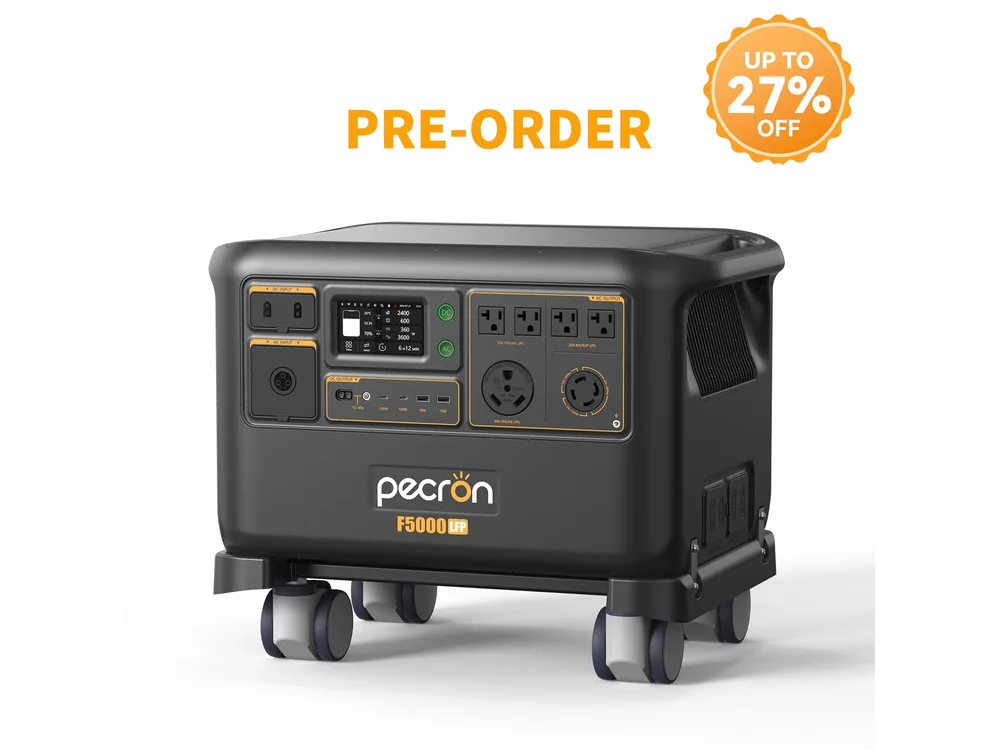
Why it is here: WattPicks balanced score — average percentile across Highest solar input, Longest service life, Most expandable, Best value (cost per watt-hour) (higher is better)
Who should skip it: Skip it if you have to carry it any distance; this is a leave-it-in-place unit.
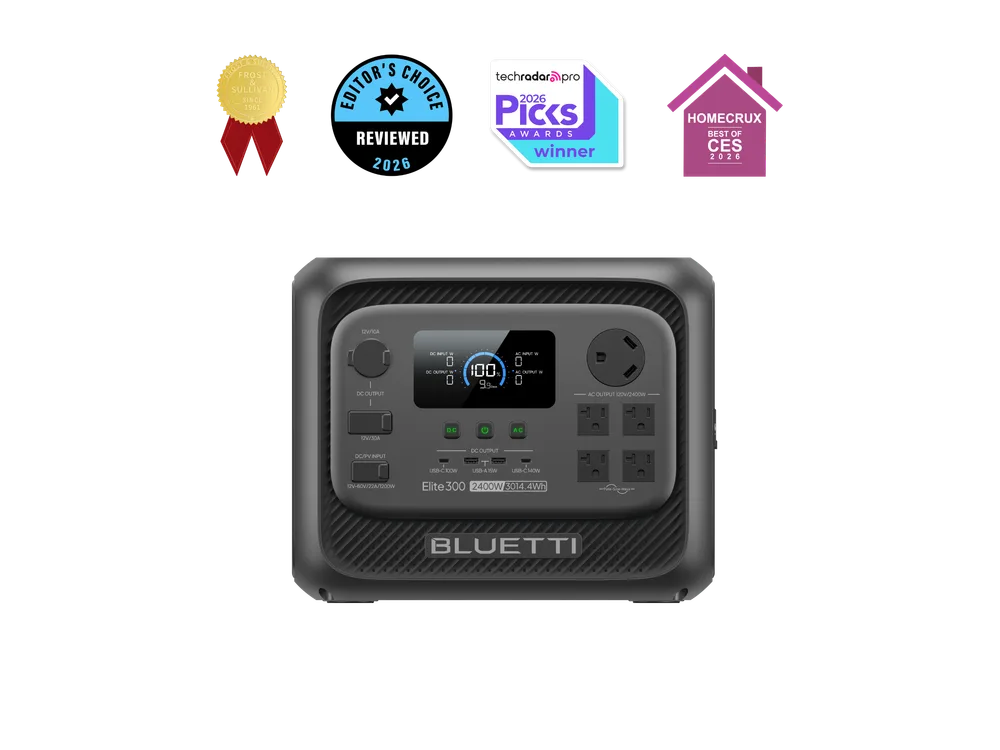
Why it is here: WattPicks balanced score — average percentile across Highest solar input, Longest service life, Most expandable, Best value (cost per watt-hour) (higher is better)
Who should skip it: Skip it if you have to carry it any distance; this is a leave-it-in-place unit.
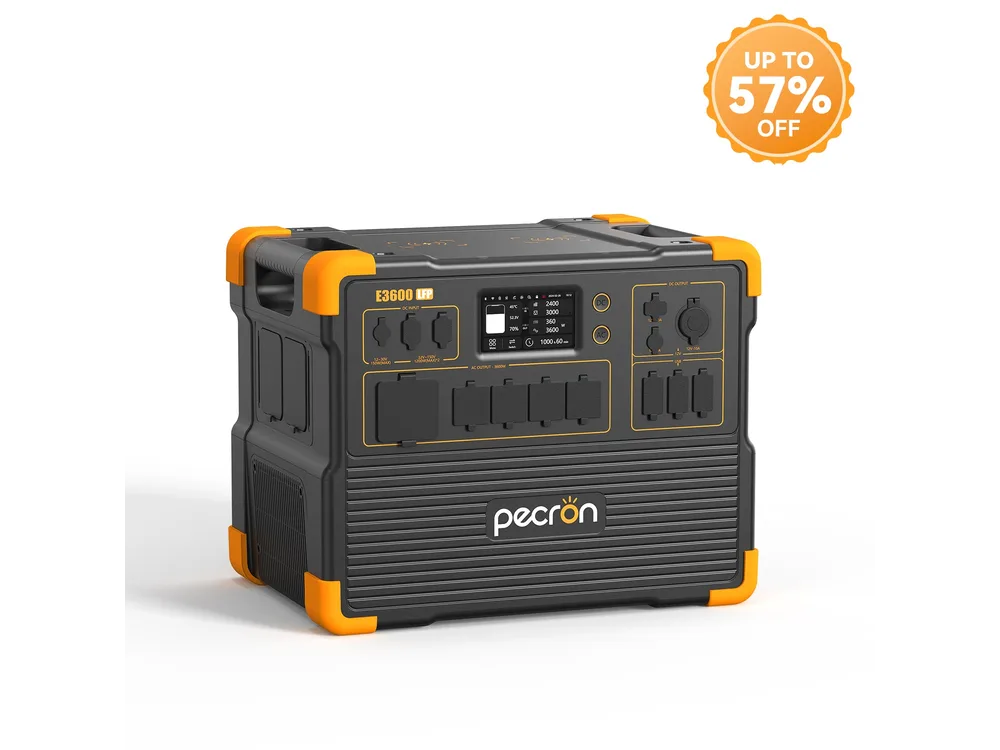
Why it is here: WattPicks balanced score — average percentile across Highest solar input, Longest service life, Most expandable, Best value (cost per watt-hour) (higher is better)
Who should skip it: Skip it if you have to carry it any distance; this is a leave-it-in-place unit.
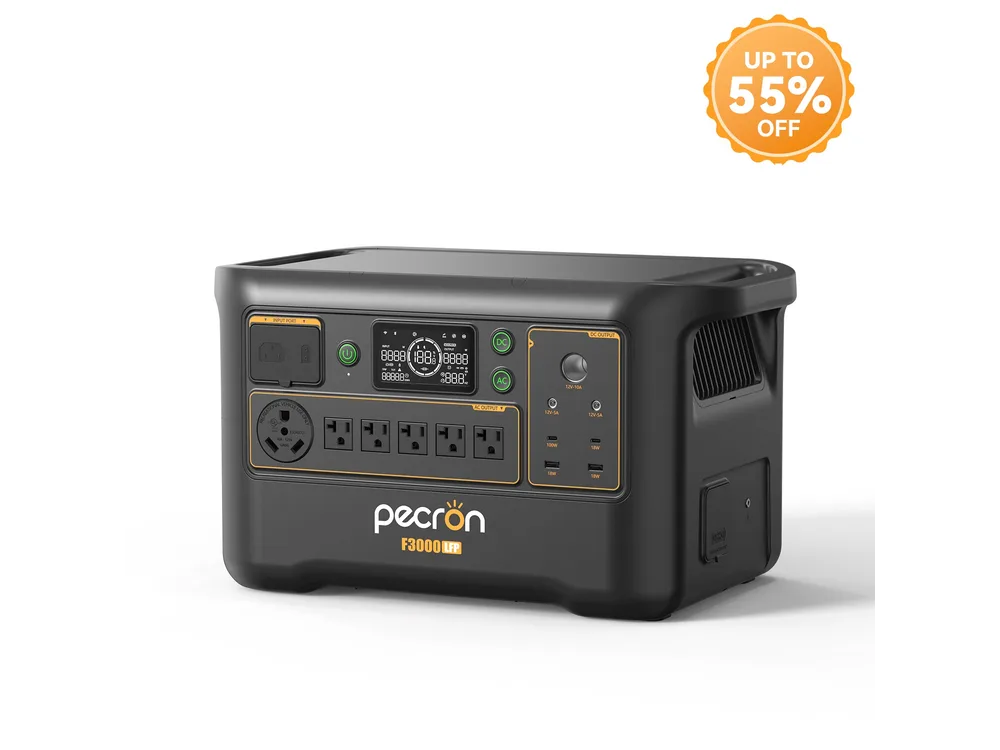
Why it is here: WattPicks balanced score — average percentile across Highest solar input, Longest service life, Most expandable, Best value (cost per watt-hour) (higher is better)
Who should skip it: Skip it if you have to carry it any distance; this is a leave-it-in-place unit.
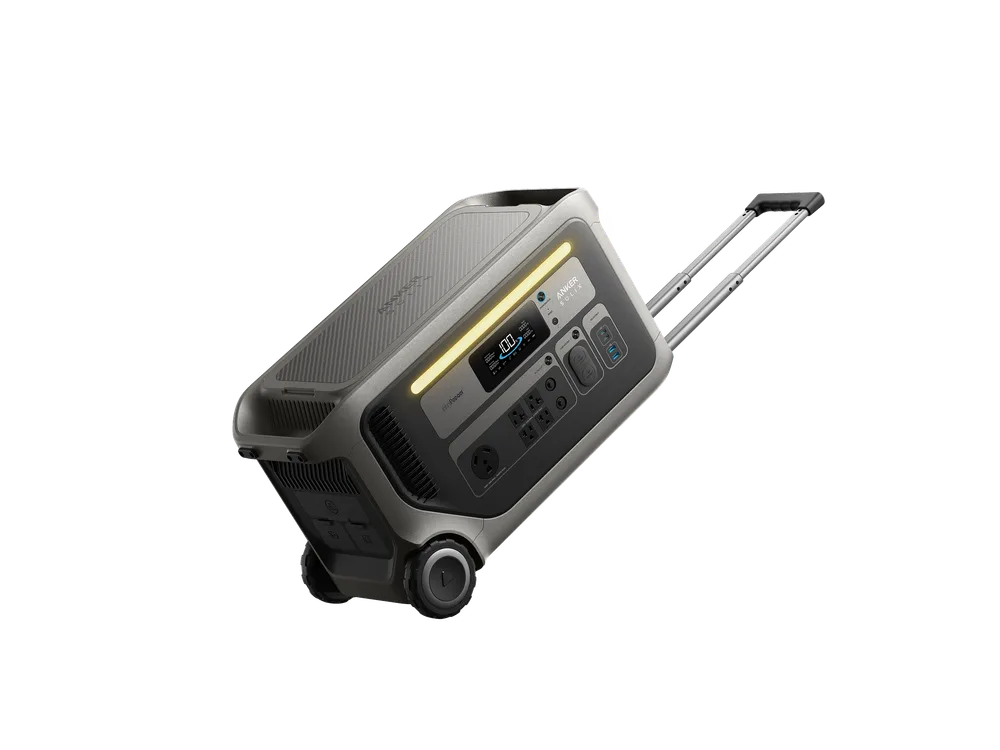
Why it is here: WattPicks balanced score — average percentile across Highest solar input, Longest service life, Most expandable, Best value (cost per watt-hour) (higher is better)
Who should skip it: Skip it if you have to carry it any distance; this is a leave-it-in-place unit.
Add up the watt-hours you actually use between sun hours: fridge, lights, phones, laptop, water pump. That daily figure — not a weekend camping estimate — is what the battery has to cover, with headroom for inverter losses and a cloudy day.
Most cabin and full-time off-grid builds land well above 1,000 Wh once a fridge is involved, and many grow into expandable systems rather than a single larger box.
The maximum solar input caps how large an array is useful. A 2 kWh station that only accepts 200 W of solar cannot recover in a day of real sun the way one that accepts 800 W or more can. Compare input against capacity, which is what the solar-input ranking does.
Expect real panel output well below the sticker rating in anything but clear midday sun, and match connector voltage to the station — mismatched panels are the most common off-grid complaint.
Off-grid cycles the pack every day. Vendor-stated cycle ratings in this dataset run into the thousands for LiFePO4 and 500–2,500 for NMC. That gap is the difference between replacing the station in a few years and keeping it for a decade.
Everything on this page comes from the manufacturers’ own product pages. We hold no measured recharge curves, no winter output figures, and no verified panel kits. Where a vendor does not publish a field, the model page shows it as missing rather than estimating it.
Start from daily watt-hours, not from a camping weekend. With a fridge that usually means 1,000 Wh and up, plus a way to recharge from solar every day. Expandable systems are often better than buying the largest single unit first.
Match the array to the station’s maximum solar input and to the energy you use each day. A panel larger than the input ceiling wastes wattage; an array too small never recovers the battery. Our solar-input ranking and the how-long-to-charge guide walk through the arithmetic.
Usually yes if you will cycle daily: vendor-stated cycle life in this dataset runs into the thousands for LiFePO4 and 500–2,500 for NMC. The trade-off is weight, which matters less for a cabin station left in place.
For lights, phones, a fridge and modest tools, yes when sized and recharged correctly. For heating, well pumps with large surge, or whole-cabin air conditioning, a battery alone is usually not enough.