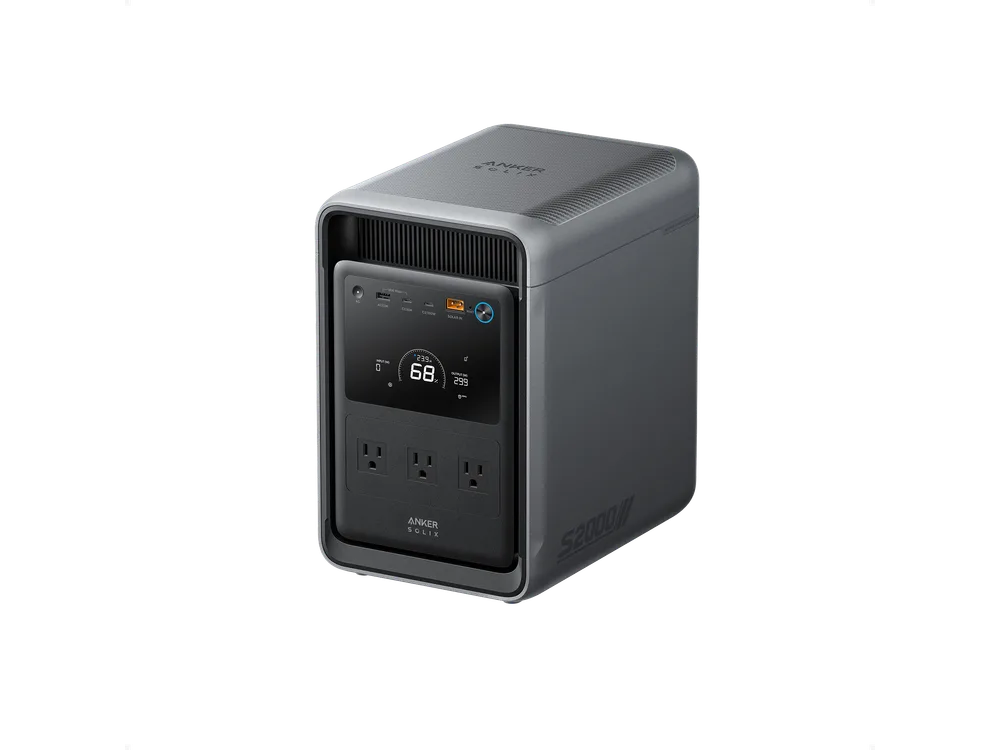
Anker SOLIX S2000
Top of the ranking on this page, using the criteria below.
2.01 kWh · 1.5 kW AC · 35.7 lb · $0.34/Wh
Best of · RV & van life
Boondocking asks a station to run a fridge, recharge from solar or the alternator, and fit in a vehicle that already has a payload limit. This list ranks mid-to-large models on solar recharge, capacity value, portability and rated life — and states what each one gives up.
WattPicks does not test power stations, and this page does not claim to. Every specification, price and derived figure is read from the manufacturers’ own product pages; the ranking is computed from that data using the criteria stated above, not from first-hand use.
71 models in the dataset match this page’s scope, and 68 of them publish a list price, which is what the value figures need. Nothing here has been tested by us.
Top of the ranking on this page, using the criteria below.
2.01 kWh · 1.5 kW AC · 35.7 lb · $0.34/Wh
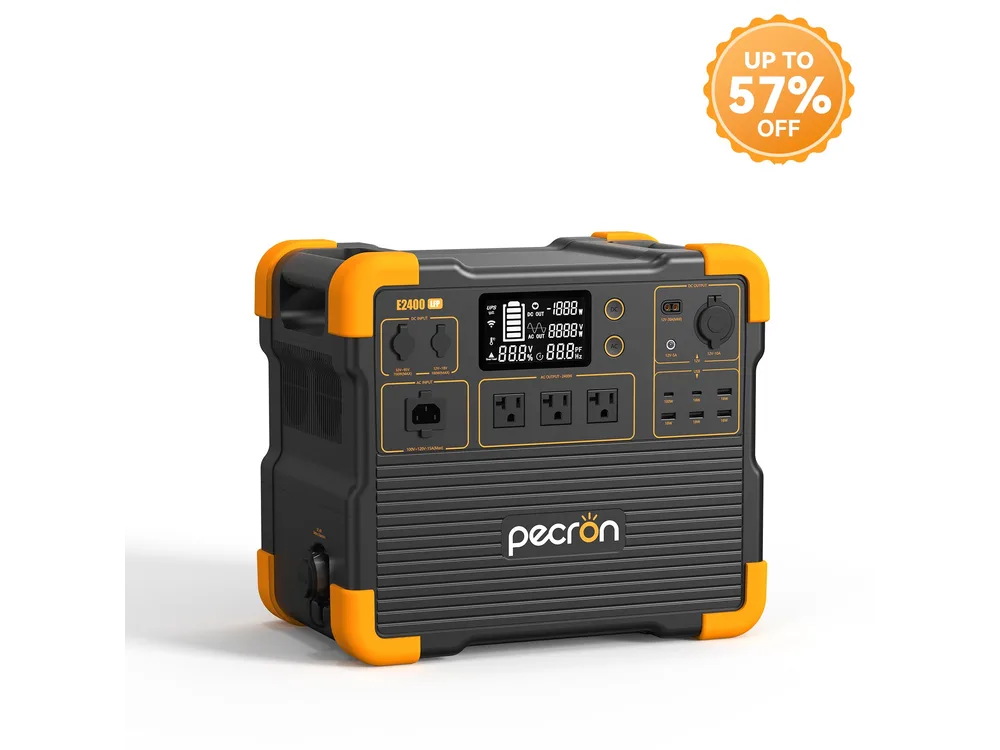
The lowest published list price in this shortlist ($649).
2.05 kWh · 2.4 kW AC · 45.0 lb · $0.32/Wh
Every entry carries its trade-offs. They are computed by comparing the model with the others in its own capacity band, so they are statements about this dataset rather than opinions.
Why it is here: WattPicks balanced score — average percentile across Highest solar input, Best value (cost per watt-hour), Most portable (Wh per pound), Longest service life (higher is better)
Who should skip it: Skip it if you want the cheapest watt-hours in this size; the value ranking has cheaper options.
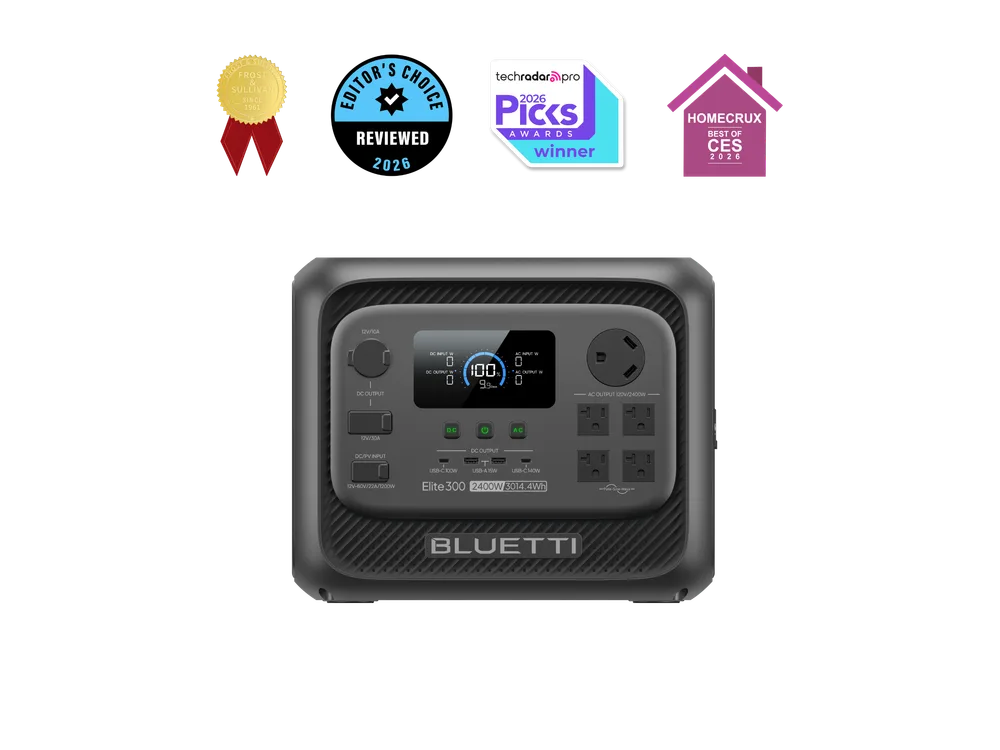
Why it is here: WattPicks balanced score — average percentile across Highest solar input, Best value (cost per watt-hour), Most portable (Wh per pound), Longest service life (higher is better)
Who should skip it: Skip it if you have to carry it any distance; this is a leave-it-in-place unit.
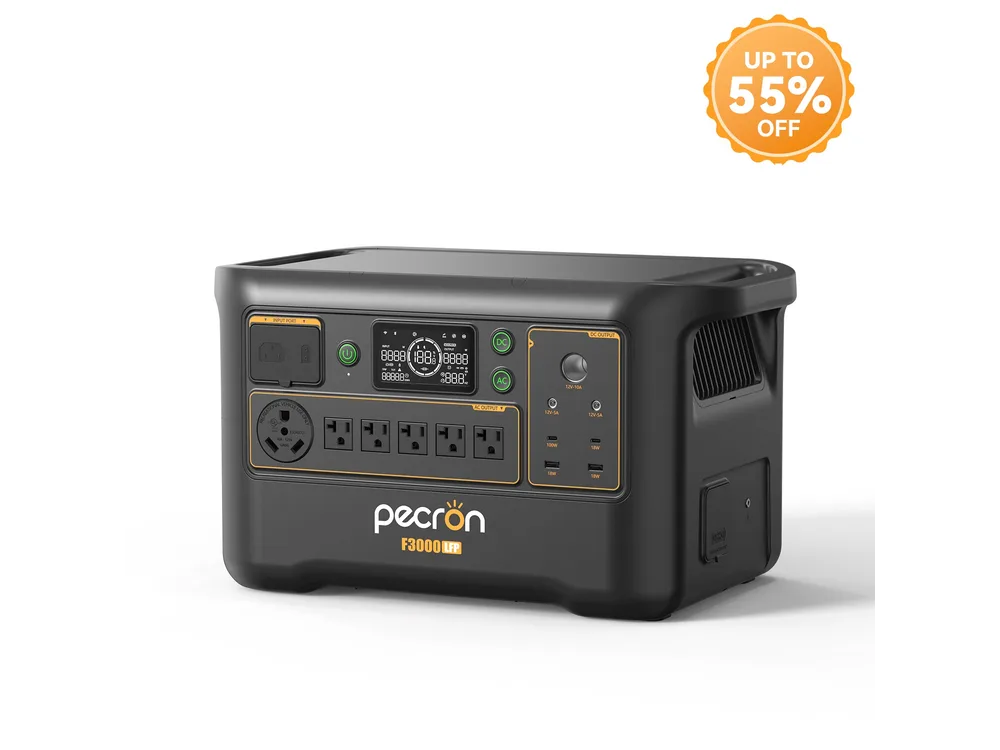
Why it is here: WattPicks balanced score — average percentile across Highest solar input, Best value (cost per watt-hour), Most portable (Wh per pound), Longest service life (higher is better)
Who should skip it: Skip it if you have to carry it any distance; this is a leave-it-in-place unit.
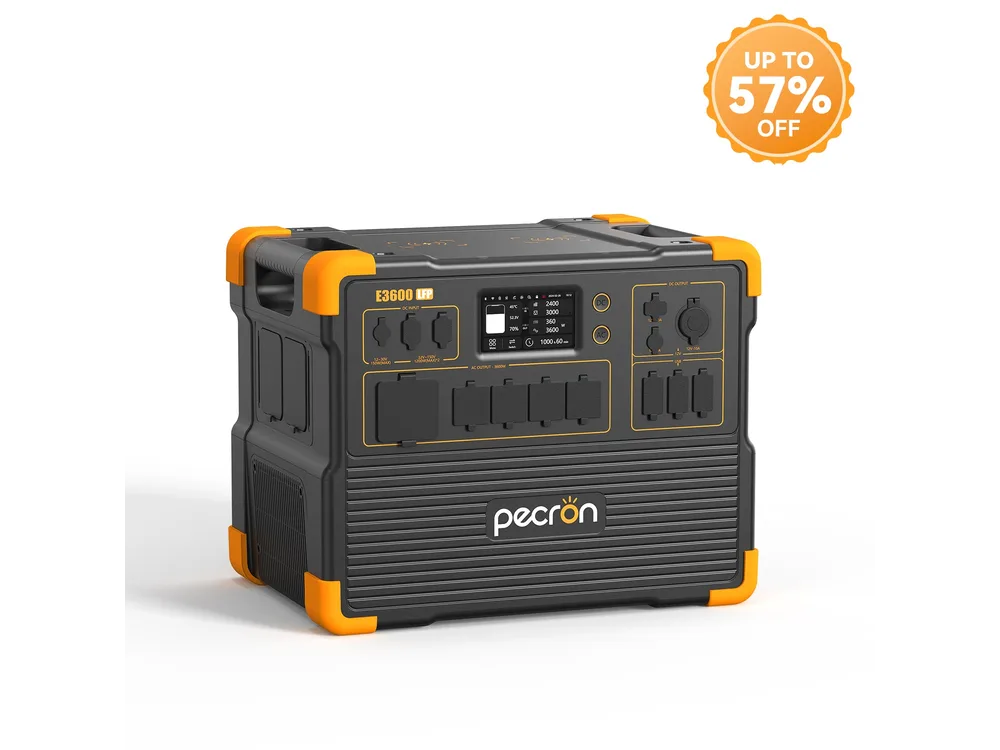
Why it is here: WattPicks balanced score — average percentile across Highest solar input, Best value (cost per watt-hour), Most portable (Wh per pound), Longest service life (higher is better)
Who should skip it: Skip it if you have to carry it any distance; this is a leave-it-in-place unit.
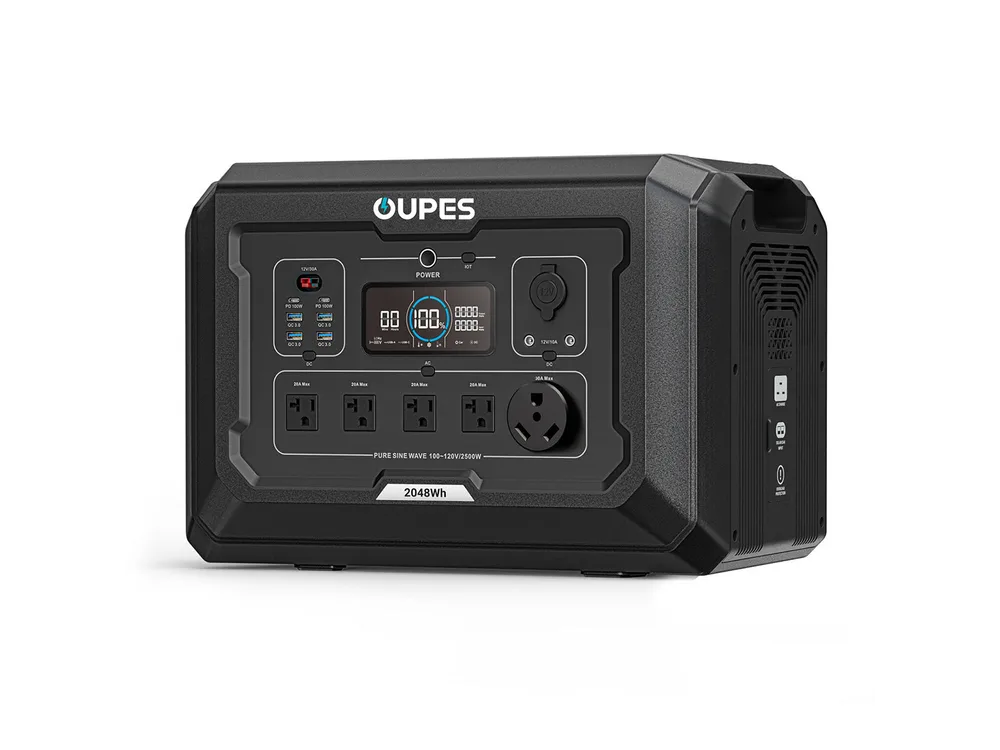
Why it is here: WattPicks balanced score — average percentile across Highest solar input, Best value (cost per watt-hour), Most portable (Wh per pound), Longest service life (higher is better)
Who should skip it: Skip it if you have to carry it any distance; this is a leave-it-in-place unit.
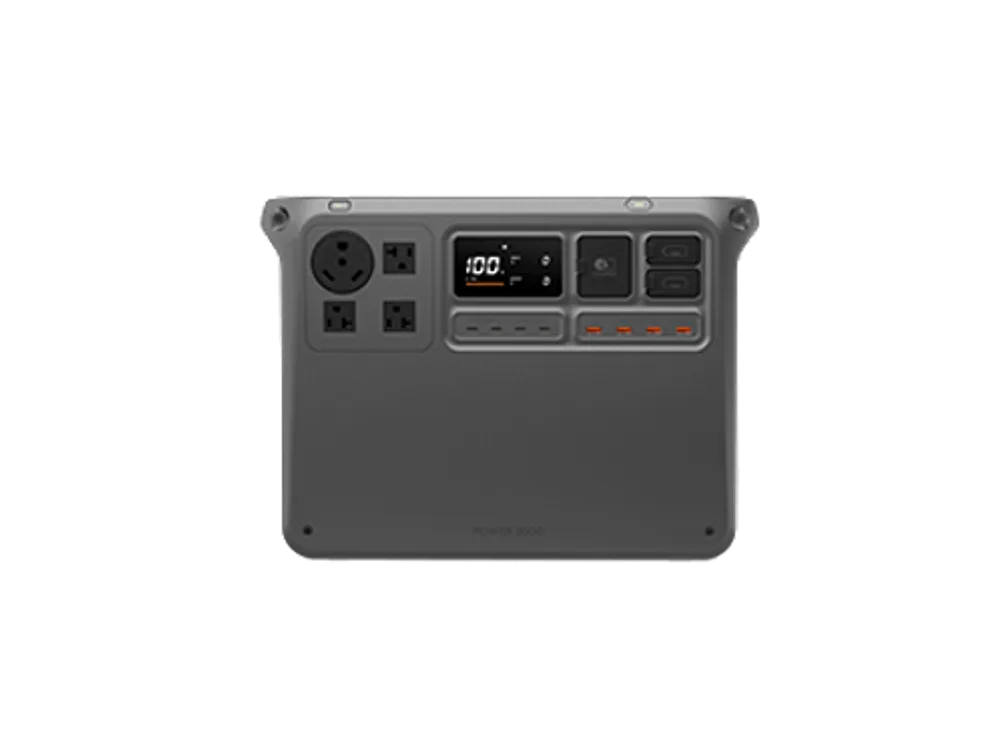
Why it is here: WattPicks balanced score — average percentile across Highest solar input, Best value (cost per watt-hour), Most portable (Wh per pound), Longest service life (higher is better)
Who should skip it: Skip it if you have to carry it any distance; this is a leave-it-in-place unit.
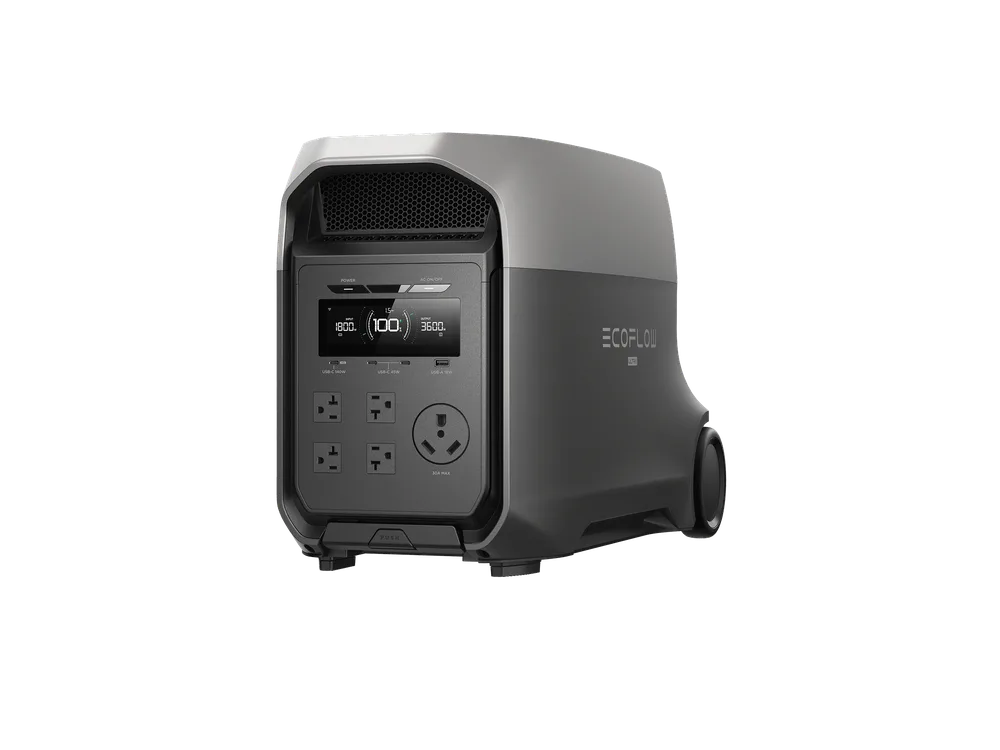
Why it is here: WattPicks balanced score — average percentile across Highest solar input, Best value (cost per watt-hour), Most portable (Wh per pound), Longest service life (higher is better)
Who should skip it: Skip it if you have to carry it any distance; this is a leave-it-in-place unit.
Why it is here: WattPicks balanced score — average percentile across Highest solar input, Best value (cost per watt-hour), Most portable (Wh per pound), Longest service life (higher is better)
Who should skip it: Skip it if you have to carry it any distance; this is a leave-it-in-place unit.
A compressor fridge dominates daily energy on most builds. Lights, phones and a laptop are modest by comparison. Size for a hot day with frequent door openings, then plan a daily recharge rather than buying endless capacity.
Wall charging is not a boondocking plan. Compare maximum solar input, and check whether the unit accepts a 12V or alternator input for top-ups while driving. Alternator charging is usually slow; solar is what recovers a full day of fridge use.
Even in a vehicle, payload and cabinet space are finite. Watt-hours per pound separates units that look identical on capacity, and expandable packs often beat one oversized box for storage layout.
For the arithmetic of daily watt-hours on a boondocking trip, see our guide on what size power station for RV boondocking — this page ranks the models; that guide sizes the job.
Most fridge-equipped boondocking setups land between 1,000 and 2,000 Wh, with daily solar recharge. Smaller units work for dry camping without a fridge; larger expandable systems suit full-timers.
Many models accept a 12V or alternator input, usually as a slow top-up rather than a fast recharge. Check the input options on the model page, and treat solar as the primary refill when parked.
For a fridge, lights, devices and modest cooking tools, yes when sized and recharged correctly. Induction cooking and diesel heater blowers need careful surge and continuous-watt checks.
A station plus panels sized to its solar input is the honest kit. Ranking here prefers units that publish a high solar ceiling; pair them with panels that match voltage and connectors.