Goal Zero · Compact
Goal Zero Yeti 200X
187 Wh of storage, 120 W of continuous AC output, listed at $220. That works out to $1.18 per watt-hour and 37.4 watt-hours per pound.
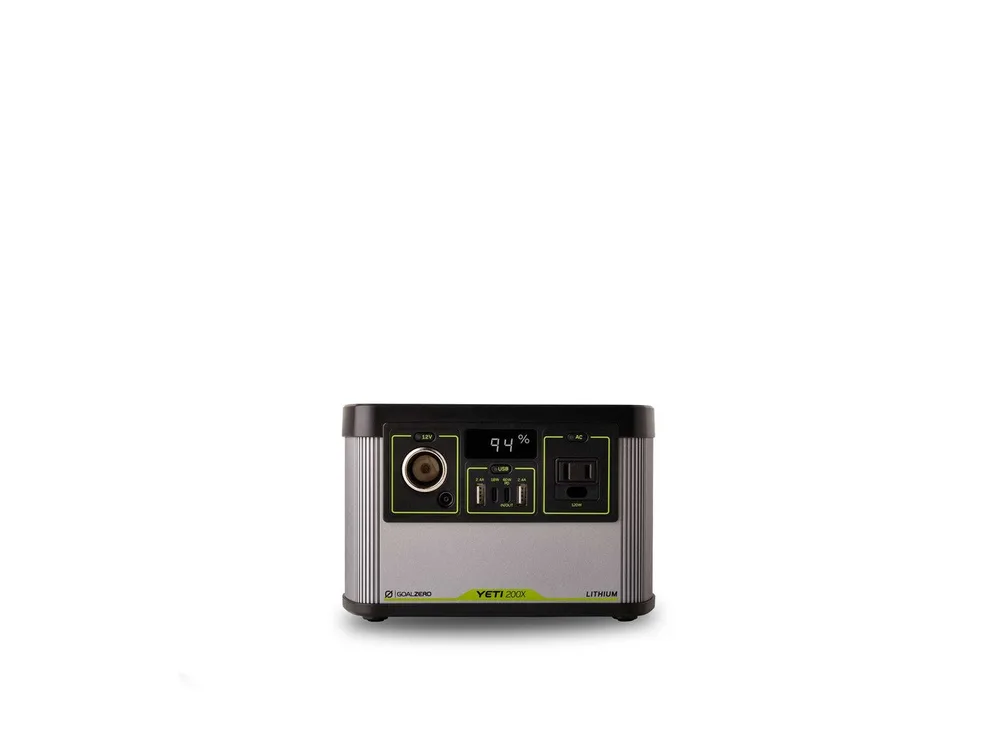
187 Wh120 W AC5.0 lbNMC500 cycles
What this unit is for
The heritage outdoor-and-solar brand: long-standing retail presence and a broad ecosystem of lights, fridges and panels rather than headline specs.
Best suited to: Buyers who value the ecosystem, the retail presence and a familiar outdoor brand. Less suited to: Spec-sheet shoppers optimising cost per watt-hour.
Phones, lights, a laptop. Carryable in one hand.
Specifications
10 of 19 fields are published by Goal Zero for this model. The rest are shown as “—” and are excluded from rankings rather than estimated.
| Capacity | 187 Wh |
|---|---|
| AC output (continuous) | 120 W |
| AC surge | 200 W |
| Power lifting / boost | — |
| Battery chemistry | NMC |
| Rated cycles | 500 |
| Weight | 5.0 lb |
| AC recharge to full | — |
| Max solar input | — |
| AC outlets | — |
| USB-C ports | — |
| USB-A ports | 2 |
| 12V car port | 1 |
| UPS switchover | — |
| Max expandable capacity | — |
| Warranty | 24 months |
| Noise level | — |
| Ingress protection | — |
| Operating temp (low) | 32 °F |
| List price | $220 |
Where these numbers come from. Every figure on this page is taken from Goal Zero’s own product listing and is stored with the vendor’s exact wording, reproduced below. We do not estimate missing specs — a field the vendor does not publish is shown as “—” and excluded from rankings. Source: goalzero.com/products/goal-zero-yeti-200x-portable-power-station.
Vendor wording for each figure (10)
capacityWh: “Peak Capacity => 187Wh (14.4V, up to 13Ah)”acOutputW: “120VAC, 60hZ, 1A (120W, 200W surge)”acSurgeW: “200W surge”chemistry: “Cell Chemistry => Li-ion NMC”cycleLife: “500 cycles to 80%”weight: “Weight => 5 lbs (2.27 kg)”usbAPorts: “(2X) USB-A Port”carPort: “12V car port (output)”warrantyMonths: “Warranty => 2 Years”operatingTempF: “Operating Usage Temp => 32-104F (0-40C)”
Where it ranks
All rankings →Position among all 76 models we track, in each dimension this unit publishes the inputs for.
| Dimension | Rank | Value |
|---|---|---|
| Best value (Wh per dollar) | #66 of 73 | $1.18 |
| Most portable (Wh per pound) | #36 of 74 | 37.4 Wh/lb |
| Most inverter headroom | #74 of 75 | 64 W/100Wh |
| Longest service life | #65 of 65 | 94 kWh |
| Most output per dollar | #70 of 72 | 0.55 W/$ |
| Best for home backup | #75 of 75 | 26/100 |
| Longest warranty | #67 of 75 | 24 mo |
Who buys this brand, and why
Full Goal Zero profile →Who it is for
- Outdoor-retail shoppers who want to handle the product before buying
- Overlanders, car campers and basecamp users
- Brand-loyal outdoor households, often older than the category average
- Buyers who want lights, fridges and panels from the same brand
What they will pay extra for
- Buying an ecosystem, not a box
- A brand they can buy in a physical store
- Simplicity and ruggedness over feature count
- US support and parts
Honest drawbacks
- Capacity per dollar is generally behind the value brands
- Recharge speeds and solar input can trail the newer competitors
- Generations vary a lot — an older Yeti and a newer one are not comparable
- Line-up has churned, which complicates comparisons across years
Elsewhere in the Goal Zero range
All Goal Zero models →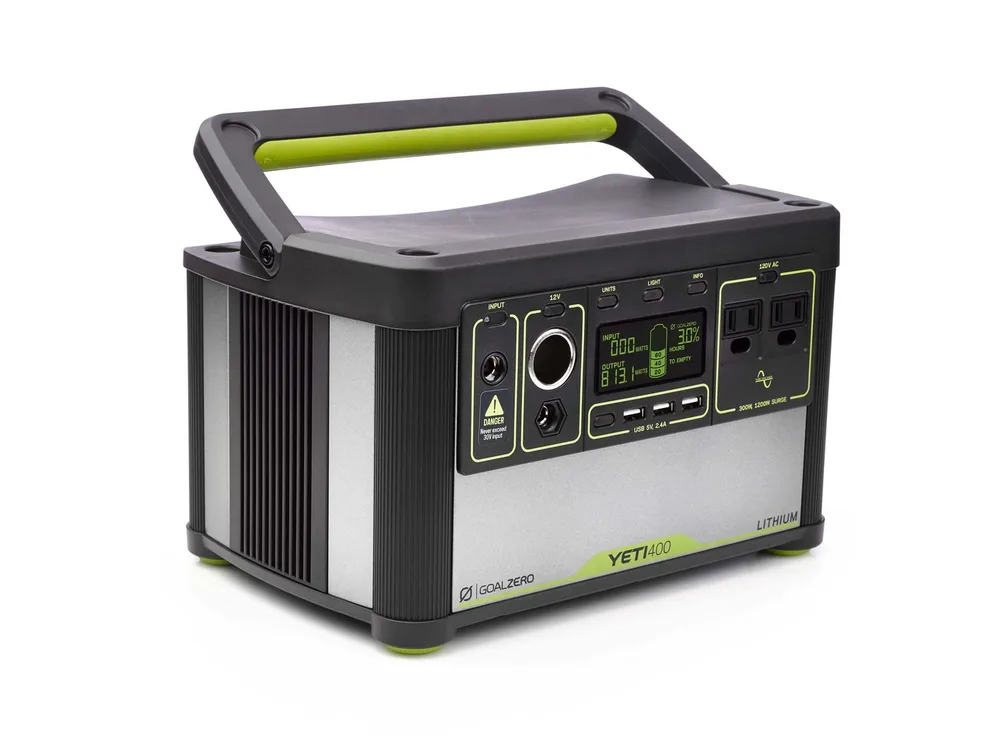
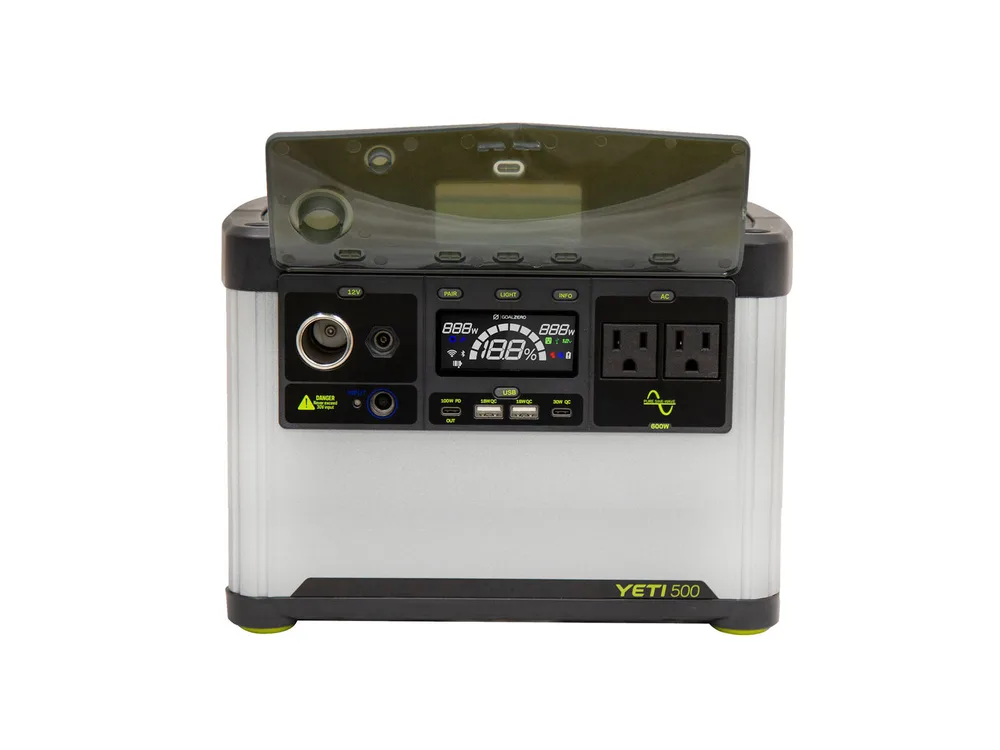
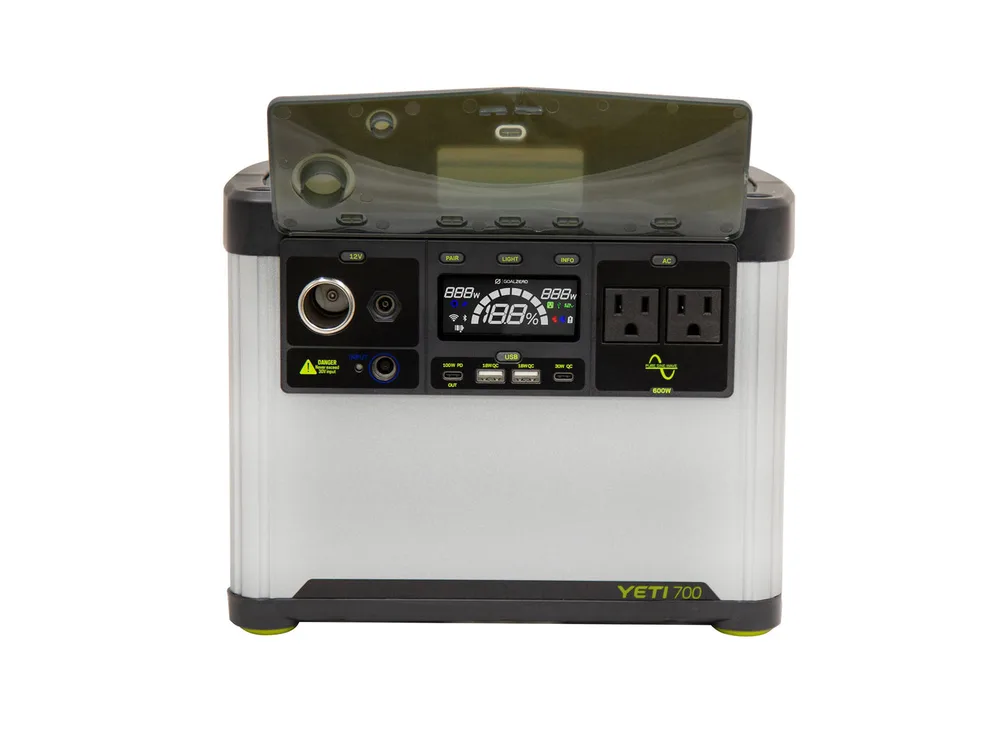
Closest rivals by capacity
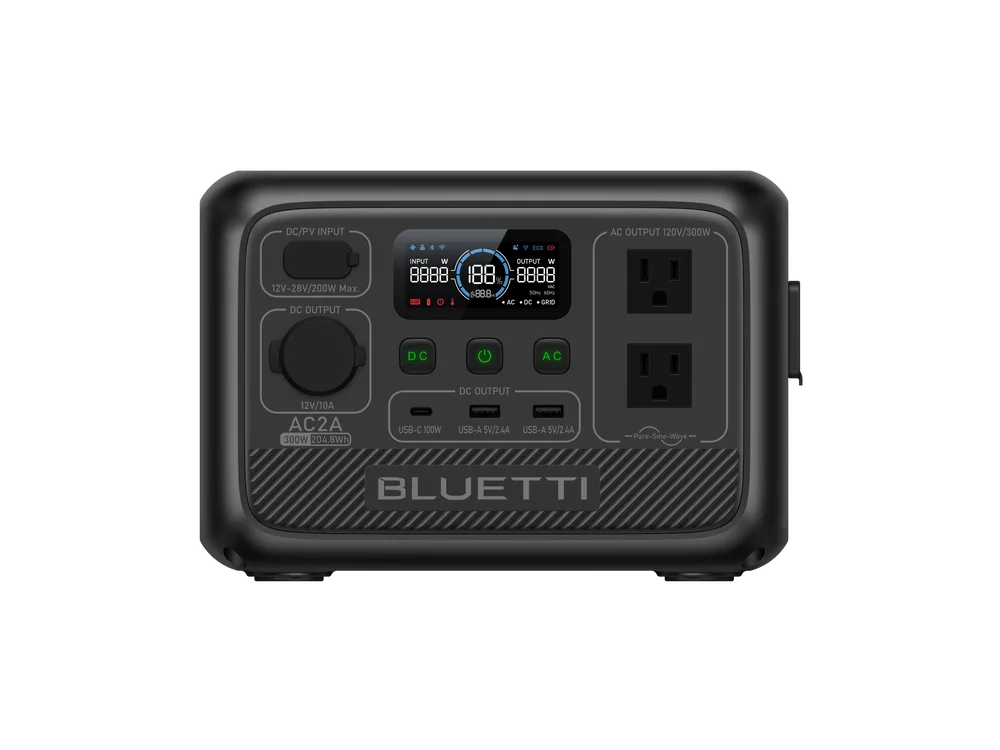
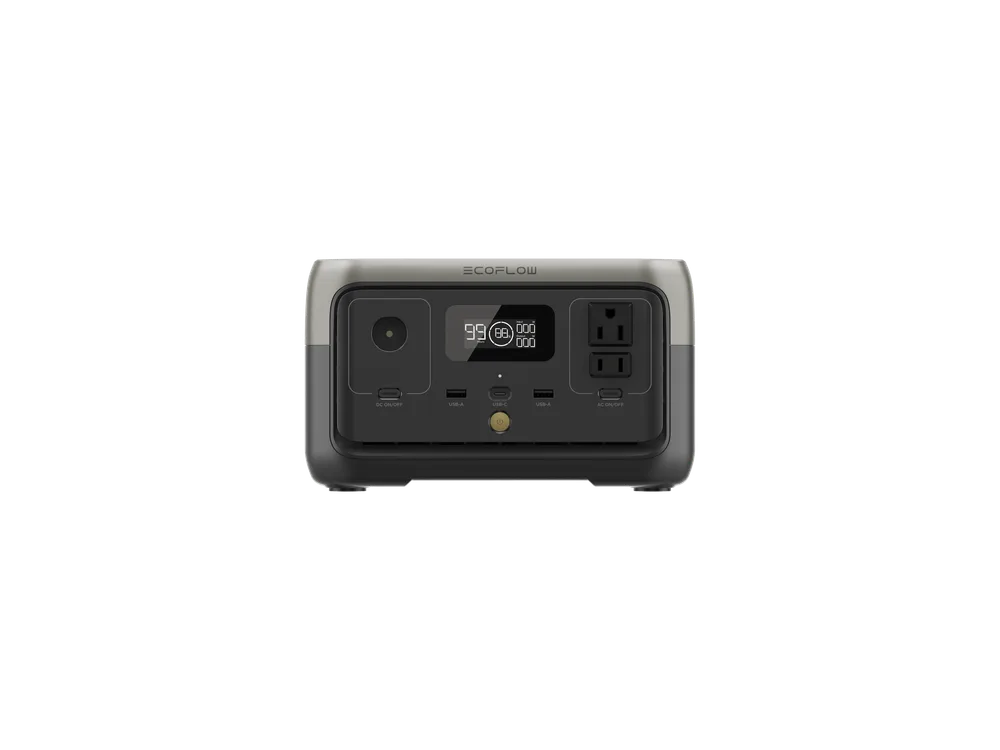
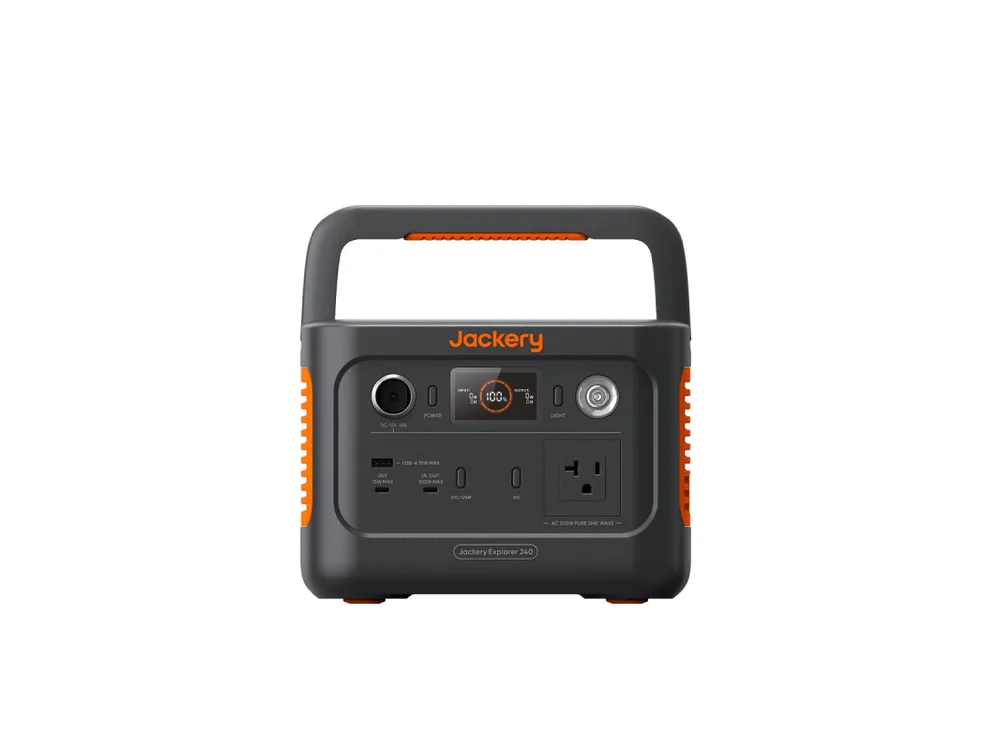
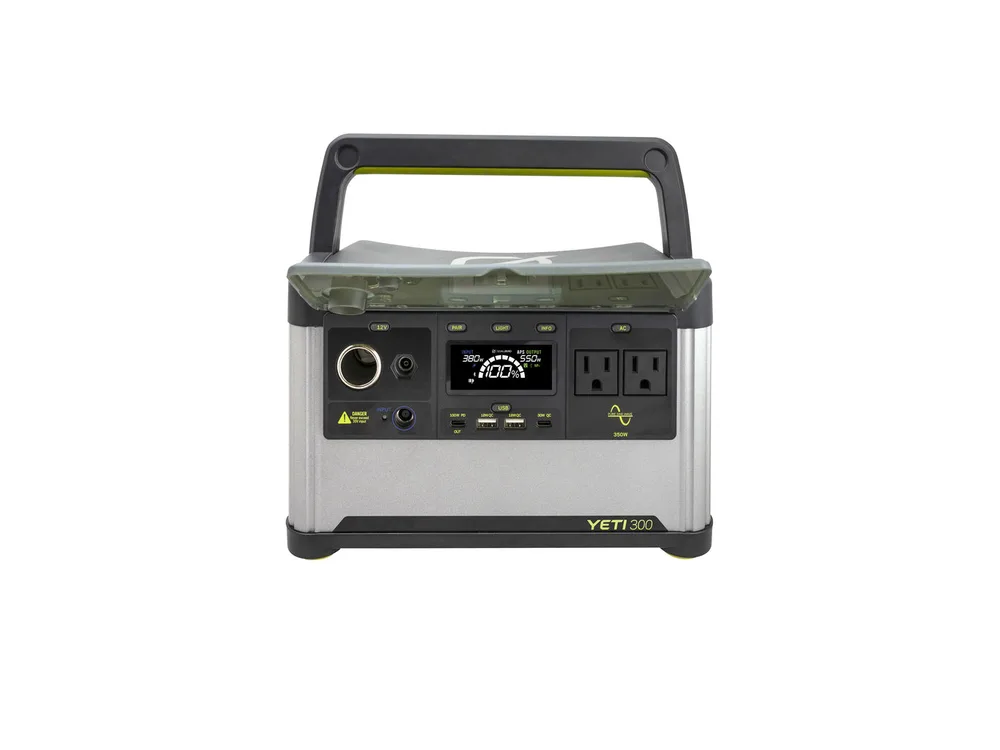
Other brands’ models nearest in capacity — the units a buyer is most likely to be comparing against this one.