Camping & Overlanding
Car camping, weekend trips and vehicle-based travel
Goal Zero · Mid-size
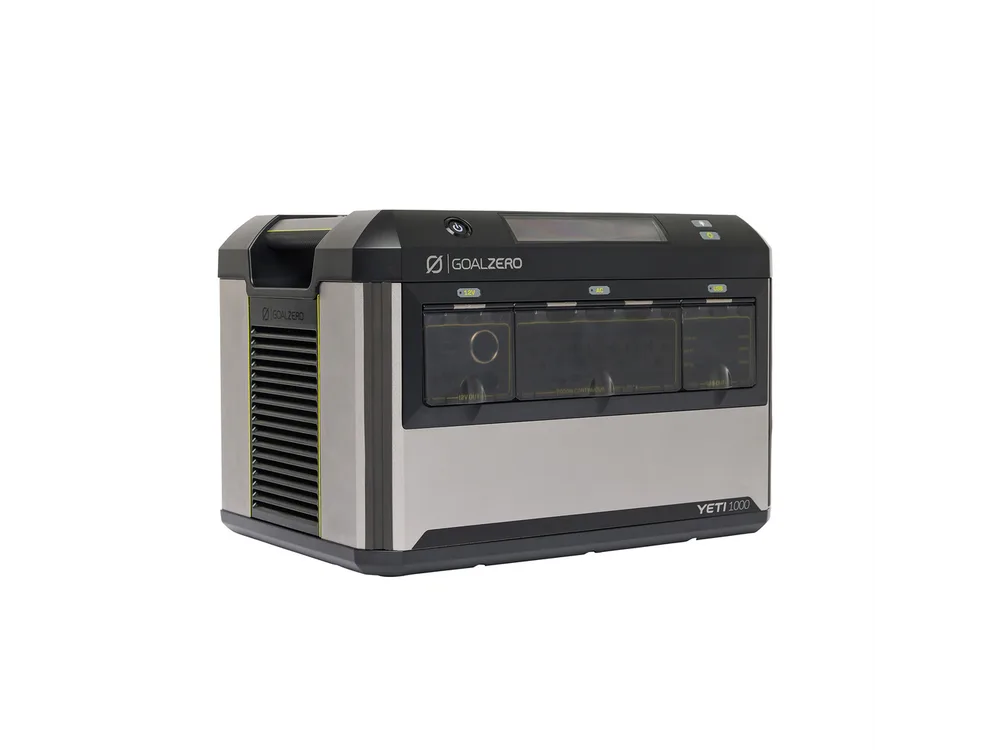
998 Wh of storage, 2 kW of continuous AC output, listed at $1,200. That works out to $1.20 per watt-hour and 28.3 watt-hours per pound.
What this unit is for
The heritage outdoor-and-solar brand: long-standing retail presence and a broad ecosystem of lights, fridges and panels rather than headline specs.
Best suited to: Buyers who value the ecosystem, the retail presence and a familiar outdoor brand. Less suited to: Spec-sheet shoppers optimising cost per watt-hour.
Fridge for a day, camping for a weekend.
15 of 19 fields are published by Goal Zero for this model. The rest are shown as “—” and are excluded from rankings rather than estimated.
| Capacity | 998 Wh |
|---|---|
| AC output (continuous) | 2 kW |
| AC surge | 3.6 kW |
| Power lifting / boost | — |
| Battery chemistry | LiFePO4 |
| Rated cycles | 4,000 |
| Weight | 35.3 lb |
| AC recharge to full | 1 h 12 m |
| Max solar input | 900 W |
| AC outlets | — |
| USB-C ports | 4 |
| USB-A ports | 2 |
| 12V car port | 1 |
| UPS switchover | 15 ms |
| Max expandable capacity | — |
| Warranty | 60 months |
| Noise level | — |
| Ingress protection | IPX4 |
| Operating temp (low) | -4 °F |
| List price | $1,200 |
Where these numbers come from. Every figure on this page is taken from Goal Zero’s own product listing and is stored with the vendor’s exact wording, reproduced below. We do not estimate missing specs — a field the vendor does not publish is shown as “—” and excluded from rankings. Source: goalzero.com/products/new-yeti-1000-portable-power-station-lfp-battery.
capacityWh: “Battery Capacity: 998.4 Wh (51.2V, 19.5Ah)”acOutputW: “AC Inverter (60Hz - pure sine wave): 2000 W Continuous, 3600 W Surge”acSurgeW: “AC Inverter (60Hz - pure sine wave): 2000 W Continuous, 3600 W Surge”chemistry: “Battery Chemistry: LiFePO4”cycleLife: “Cycles: 4,000 Cycles (To 80% of original capacity at 25 ° C charge and discharge)”weight: “Weight: 35.3 lbs. (16kg)”rechargeAcMinutes: “The Yeti 1000 will charge to 100% in about 1.2 hours”solarInputW: “At a maximum input of 900 watts of solar, the Yeti 1000 will recharge in about 2 hours.”usbCPorts: “Total Combined USB-C => 260W”usbAPorts: “(2x) USB-A”carPort: “12V Auxiliary Power Port: 162W”upsSwitchoverMs: “Automatic Power Switching (APS) => Grid to battery in <15ms”warrantyMonths: “Warranty: 5 Years”ipRating: “Ingress Protection => 1PX4”operatingTempF: “Discharge Temperature Range: -4° to 104°F (-20° to 40°C)”Position among all 76 models we track, in each dimension this unit publishes the inputs for.
| Dimension | Rank | Value |
|---|---|---|
| Best value (Wh per dollar) | #68 of 73 | $1.20 |
| Most portable (Wh per pound) | #66 of 74 | 28.3 Wh/lb |
| Most inverter headroom | #6 of 75 | 200 W/100Wh |
| Fastest AC recharge | #16 of 36 | 832 W |
| Highest solar input | #21 of 55 | 900 W |
| Longest service life | #35 of 65 | 3992 kWh |
| Most output per dollar | #46 of 72 | 1.67 W/$ |
| Best for home backup | #7 of 75 | 75/100 |
| Longest warranty | #47 of 75 | 60 mo |
Car camping, weekend trips and vehicle-based travel
Keeping the fridge, Wi-Fi and phones alive for hours
Remote work, film and photo production away from mains
Keeping a CPAP or other device running overnight, every night
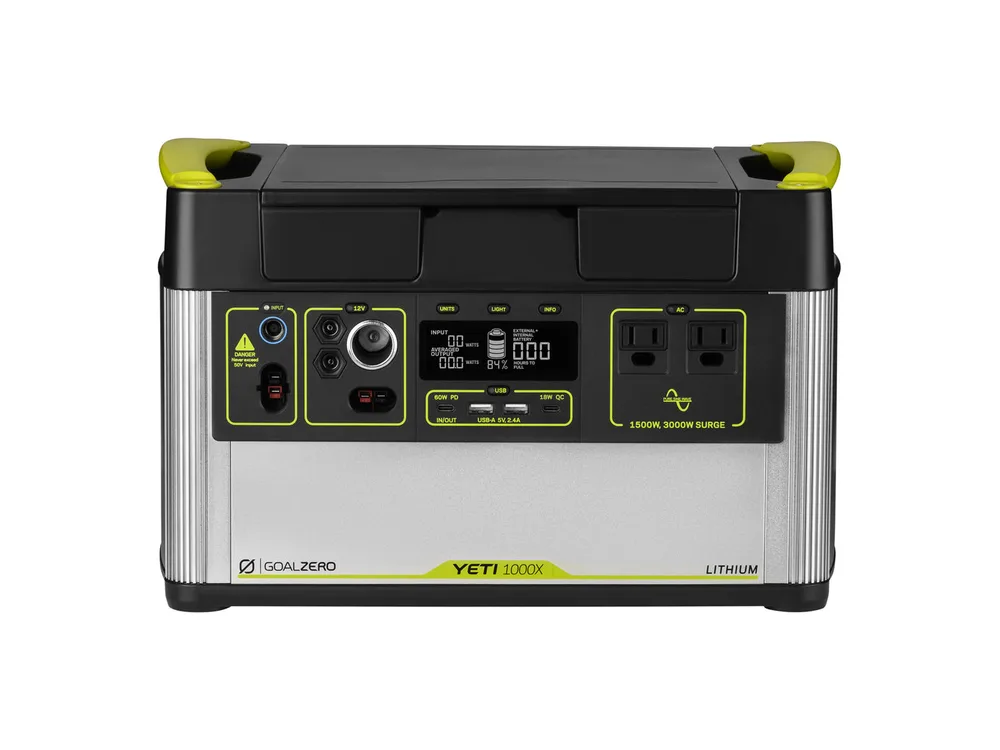
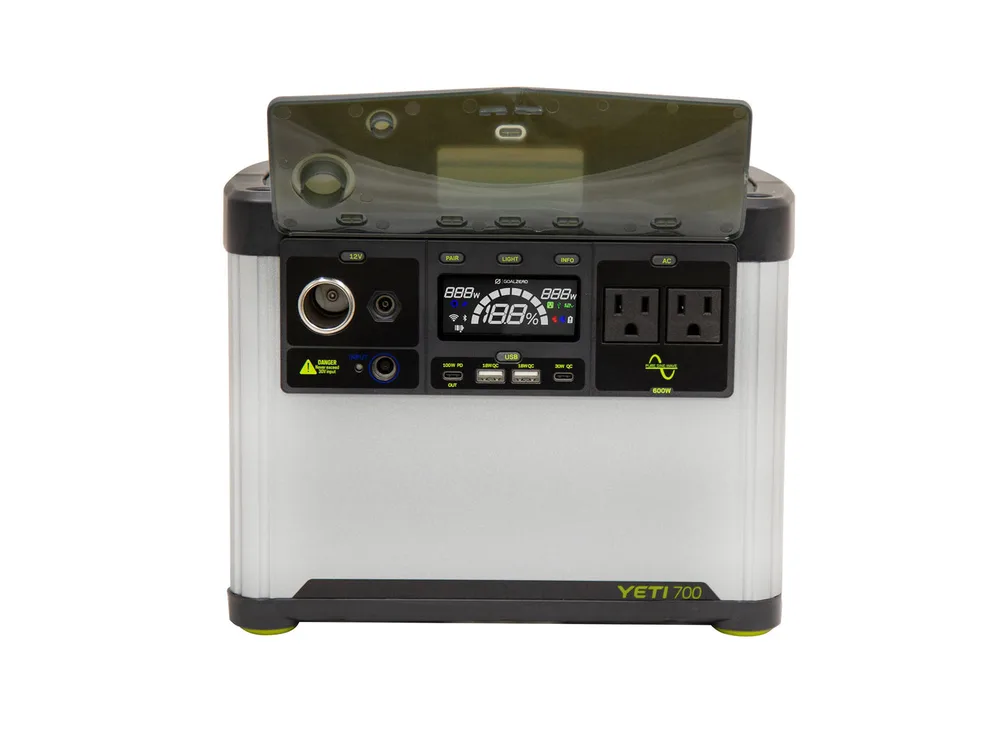
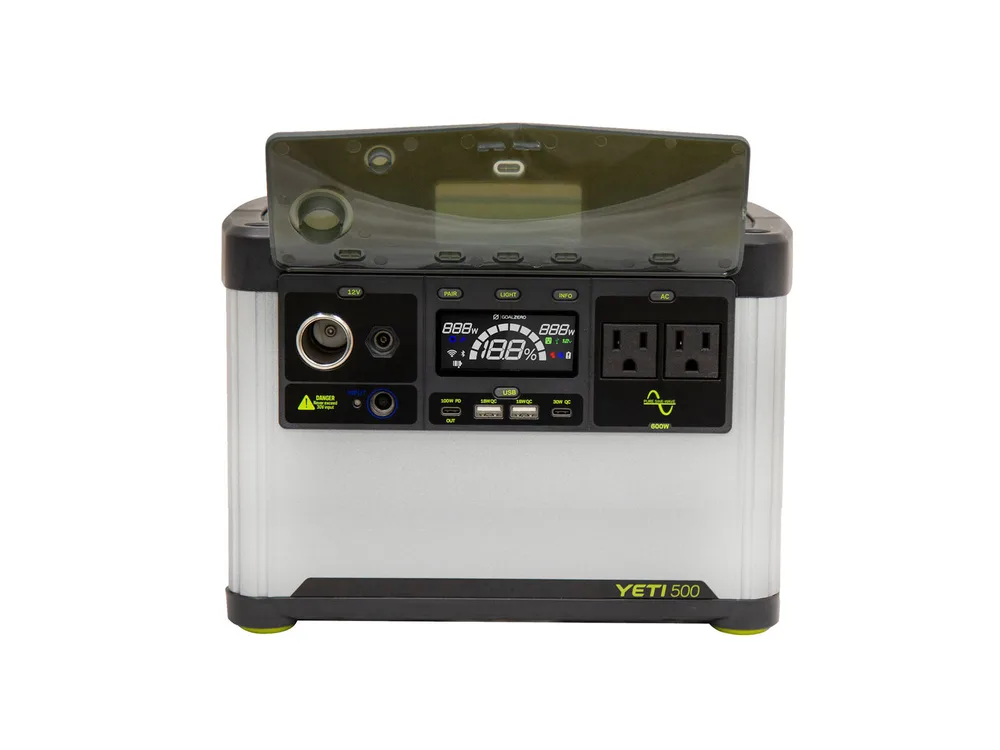
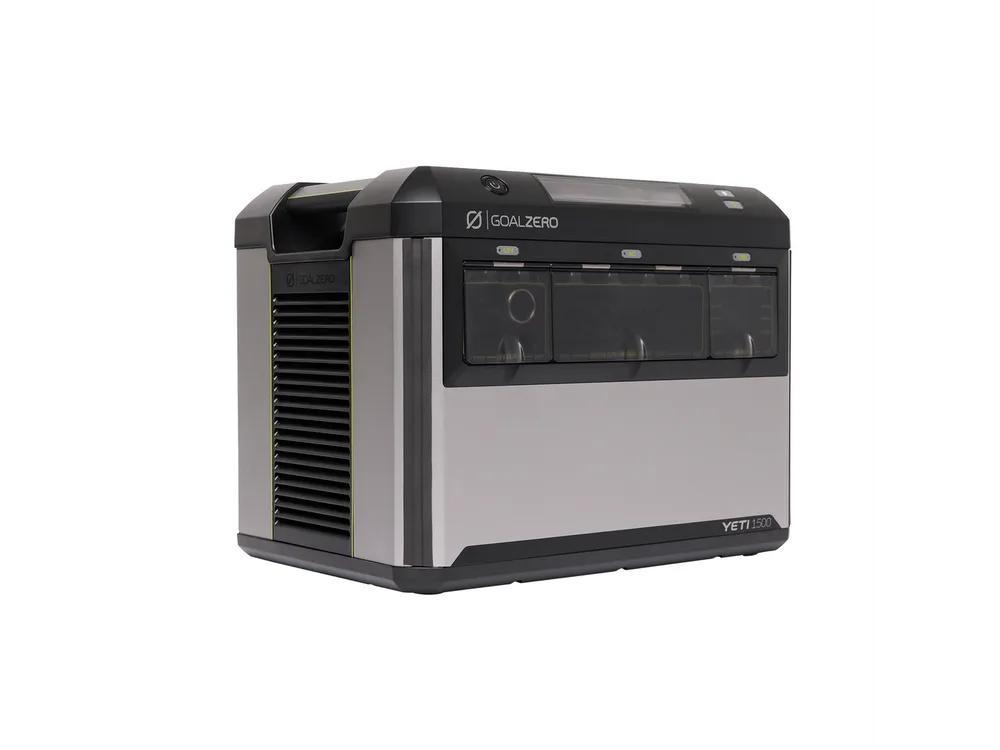
Other brands’ models nearest in capacity — the units a buyer is most likely to be comparing against this one.