Guide
Can a power station run a furnace blower?
A gas furnace is the load people most want to keep alive in a winter outage, and the blower motor is the part that decides whether a portable power station can do it. Watts get it started; watt-hours decide how long the heat lasts.
Every figure on this page is computed from the WattPicks dataset (107 models from 12 brands, all read from the manufacturers' own product pages). We do not test power stations, so nothing here is a measurement of ours.
A furnace is a motor, a control board and a small ignition load
The burner controls draw very little. The blower that pushes air through the ductwork is the load that matters, and it is an electric motor: it needs a continuous supply to run and a larger momentary surge to start. That start-up surge is the figure most often left out of the arithmetic, and it is why a station that looks big enough on capacity can still fail to start the furnace.
Vendors in our dataset publish both figures — a continuous (rated) AC output and a surge (peak) rating — so the comparison can be made from published data rather than from a guess.
The two ratings to compare
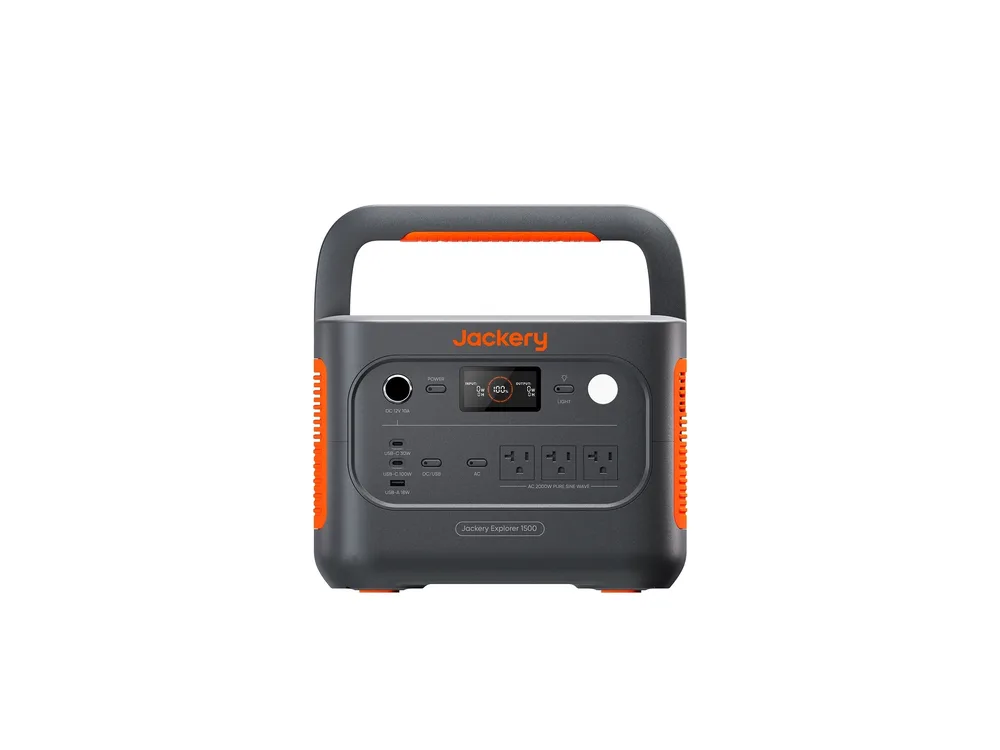
Continuous output is what the station can supply for as long as the battery lasts. The models we track publish continuous ratings from 120 W to 6 kW. Surge is the brief ceiling for starting a motor; the highest published surge rating in the dataset is 9 kW.
The ratio between the two is what matters for a blower. Across the models that publish both, surge runs as high as 4.0 times continuous output — and a model that claims a small multiple may not have the headroom a motor needs, however large its battery is.
Find the voltage and current on your furnace or blower motor nameplate, because that is the only figure that describes your equipment. The rating plate is the authority; a generic estimate from a forum is not.
Size the energy, then the watts
Running watts decide whether the station can carry the blower. Watt-hours decide how long it can. Multiply the blower running watts by the hours you need heat, then compare that with the station capacity — and expect the blower to cycle rather than run flat out, so the real draw depends on how often the burner calls for heat.
- Running need = the blower running watts from its nameplate.
- Starting need = the surge the blower motor draws for a moment at start-up, which is larger than its running draw.
- Energy need = running watts × hours of blower run time, in watt-hours.
- Add headroom for inverter conversion losses and for a cold battery, which delivers less when the power is out in winter.
The connection is a separate problem
Even when the numbers work, most furnaces are hard-wired to a dedicated circuit rather than plugged into an outlet, so a power station cannot simply be connected to one. A safe setup uses a transfer switch or a properly installed inlet; backfeeding a household circuit by plugging a station into a wall outlet is dangerous and prohibited in many places.
Have a licensed electrician install the transfer equipment, and test the furnace on the station before you need it. A furnace that runs for a minute is not the same as one that runs for six hours.
Common mistakes
- Sizing to the blower running watts and ignoring the start-up surge.
- Buying capacity to solve a wattage problem — a bigger battery does not help a motor the inverter cannot start.
- Forgetting that the furnace control board and ignition also need power, small as that load is.
- Assuming a station can be wired to a hard-wired furnace without a transfer switch or inlet.
- Testing for the first time during an outage, rather than on a mild day when it does not matter.
- Running the station down to empty instead of keeping reserve for another start cycle.
What the dataset can and cannot tell you
We do not test power stations, so we cannot say that a specific model starts your furnace. What the dataset gives you is the published continuous and surge rating for the 62 models that state both, so you can match them against your blower nameplate. The home-backup readiness ranking sorts the same models on the specs that matter in an outage, and the inverter-headroom ranking covers motor-starting headroom directly.
Take the blower nameplate figure, compare it with the continuous and surge columns on the model page, and only then decide. If the surge margin is thin, the honest answer is that the station is not the right tool for that furnace.
Frequently asked
Can a portable power station run a gas furnace blower?
It can if the station's continuous output covers the blower running watts and its surge rating covers the motor start-up. The battery also has to store enough watt-hours for the hours you need heat, and the furnace has to be connectable through a transfer switch rather than a wall outlet.
How many watts does a furnace blower use?
That depends on the furnace. The figure is on the blower motor or furnace rating plate, in volts and amps or in watts, and it is the only number specific to your equipment. We do not publish a generic estimate because it would not describe your furnace.
Do I need surge watts to start a furnace blower?
Yes. A blower is an electric motor, and motors draw a start-up current well above their running current. A station whose surge rating sits close to the blower running watts may trip or refuse to start it even though the arithmetic on running watts looked fine.
Can I plug a power station into my furnace?
Usually not directly. Most furnaces are hard-wired to a dedicated circuit. Running one from a power station calls for a transfer switch or a proper inlet installed by a licensed electrician; backfeeding a household outlet is unsafe and prohibited in many jurisdictions.