4–2 on 6 shared metrics
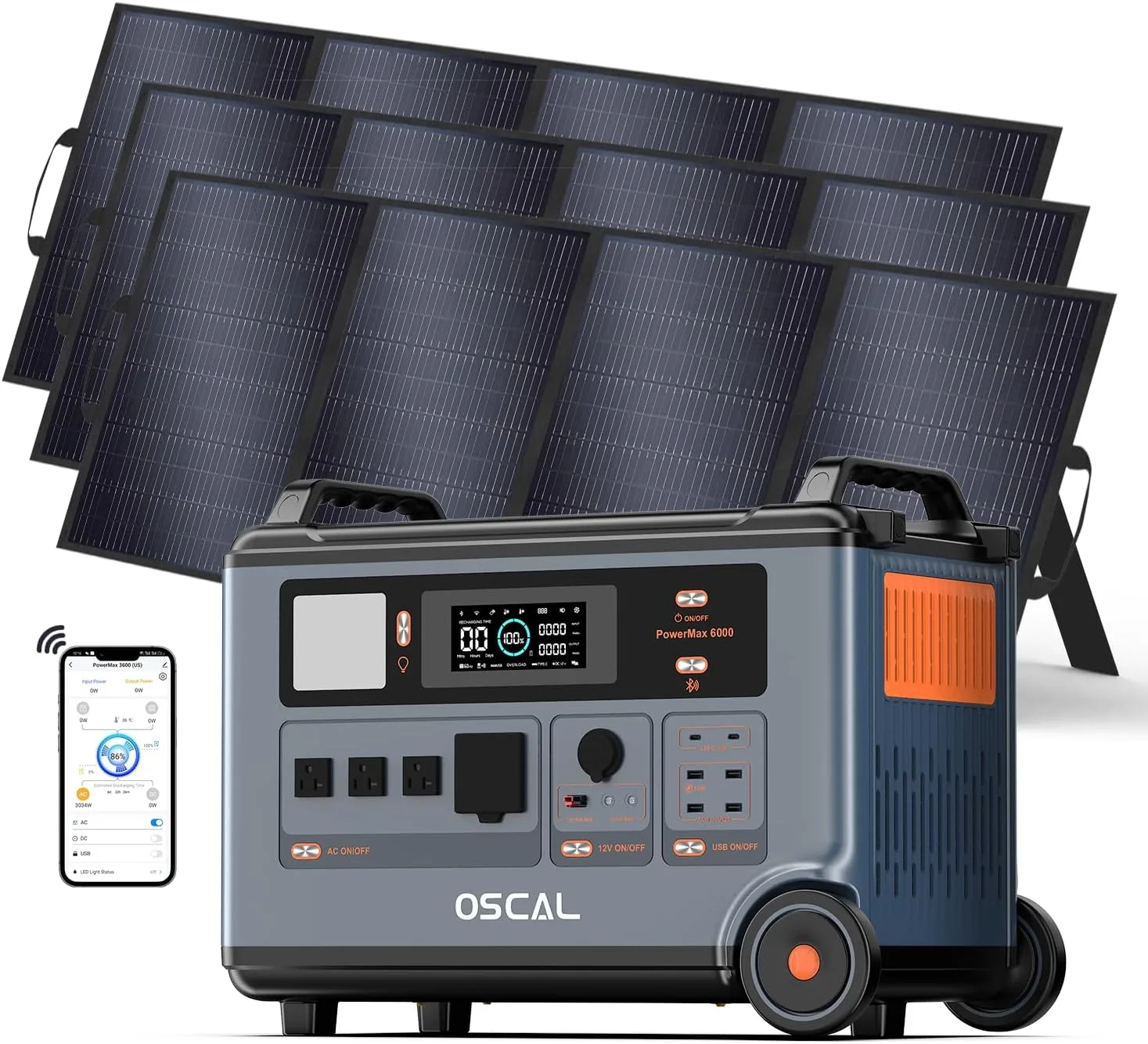
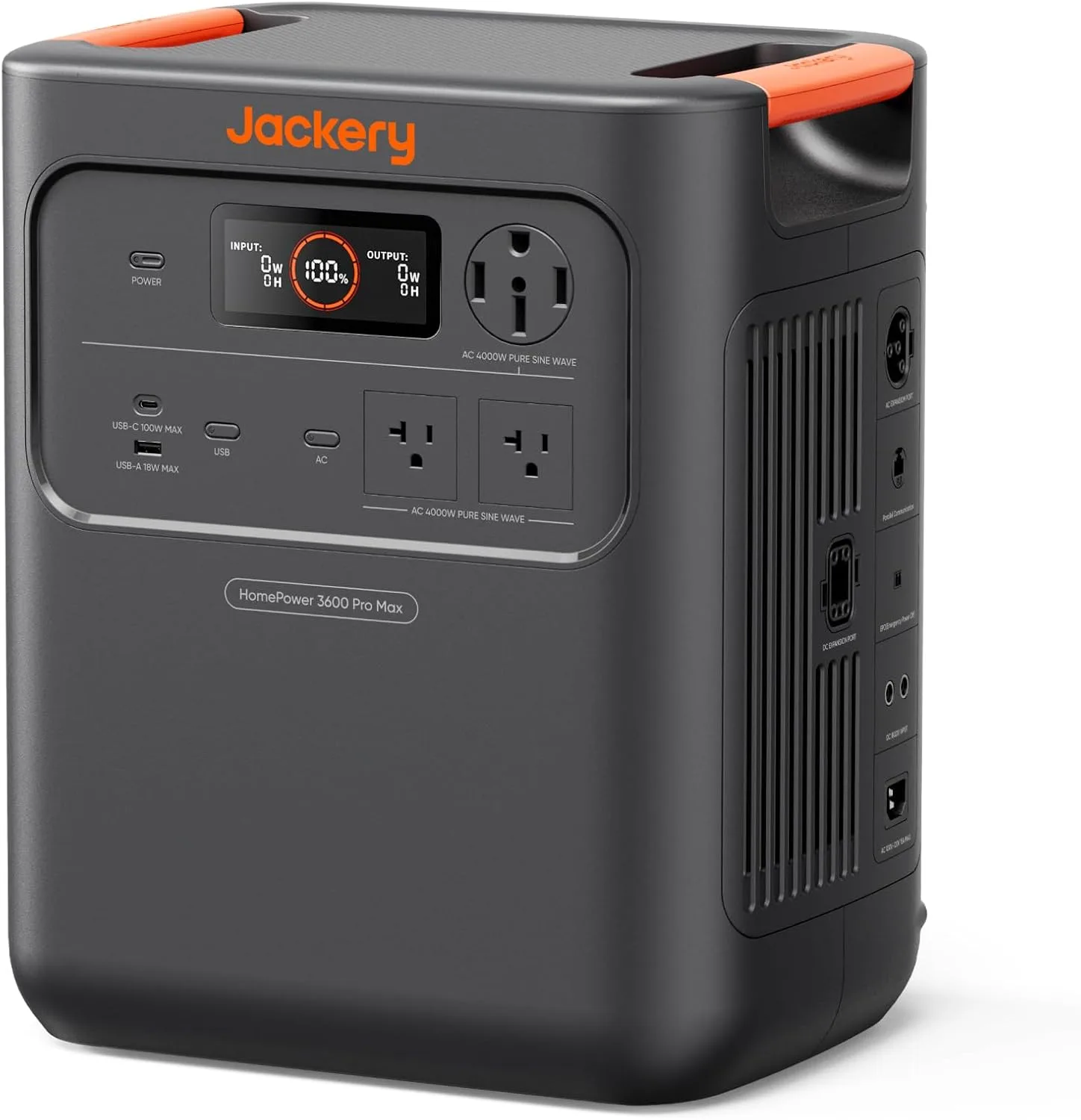
EcoGreat PowerMax 6000 vs Jackery HomePower 3600 Pro Max
On 6 shared published metrics the PowerMax 6000 leads 4–2. Capacity is nearly matched (3.60 kWh vs 3.58 kWh), so the decision turns on the rows below — not size. Choose HomePower 3600 Pro Max when you will move the unit often — it leads on weight and watt-hours per pound.
- Carry / campingHomePower 3600 Pro Max
- Longer runtimePowerMax 6000
- Heavy AC loadsPowerMax 6000
- Value per WhPowerMax 6000
Who wins which job
Pick PowerMax 6000 when
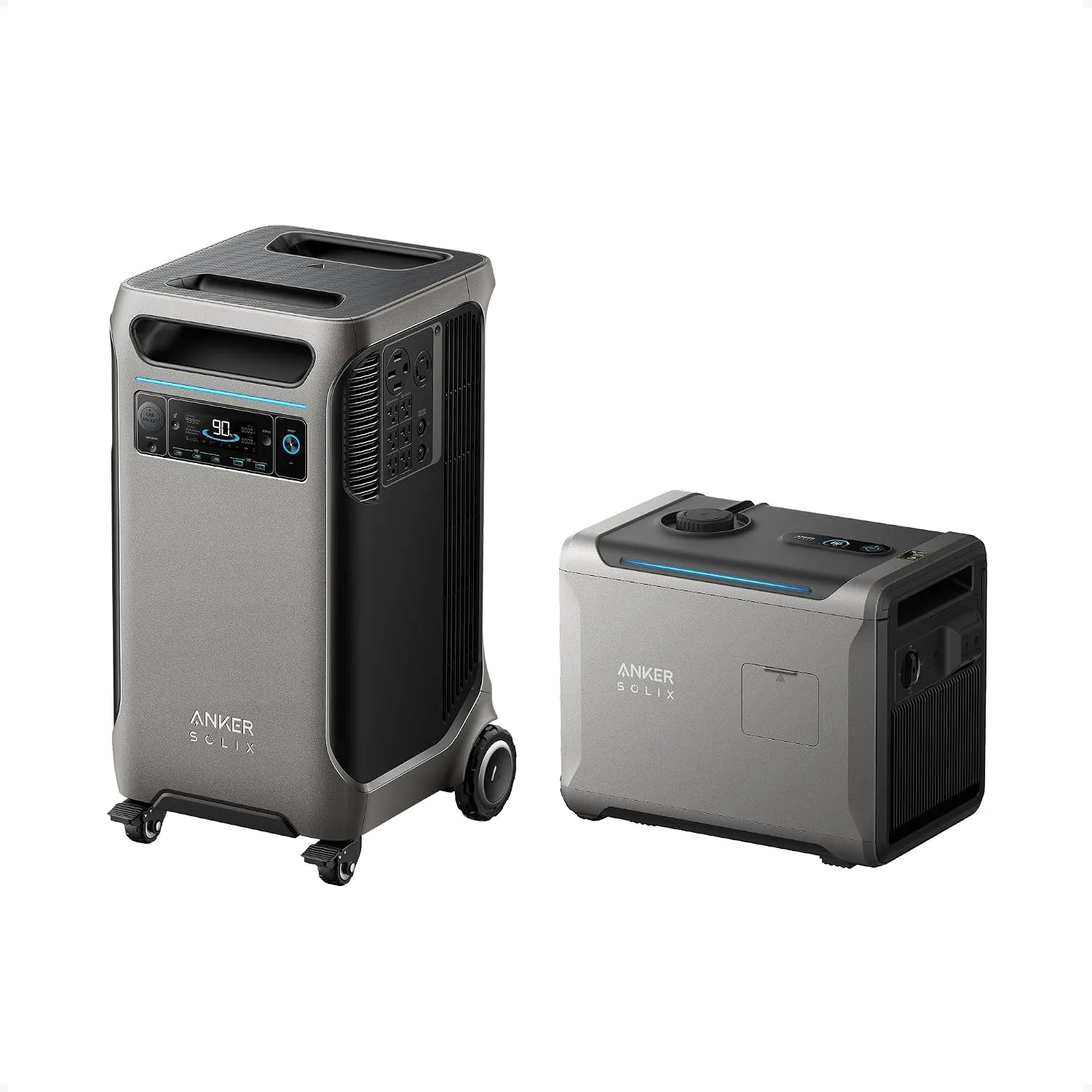
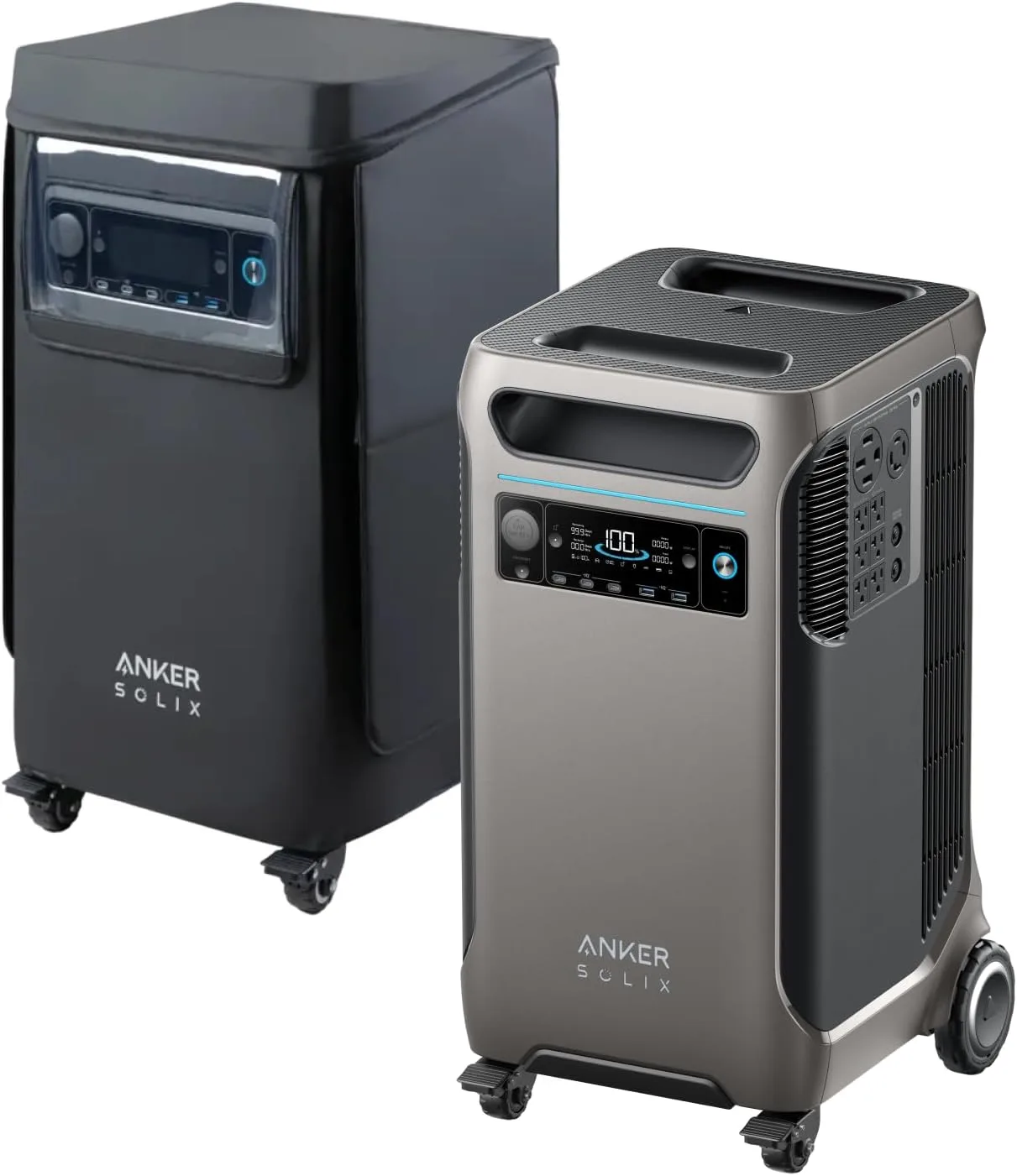
EcoGreat PowerMax 6000
- Capacity: 3,600 Wh vs 3,584 Wh
- Continuous AC output: 6,000 W vs 4,000 W
- List price: $1,999 vs $2,099
- Cost per watt-hour: $0.56 vs $0.59
Shoppers who want maximum capacity per dollar and are comfortable with a lesser-known brand.
Pick HomePower 3600 Pro Max when
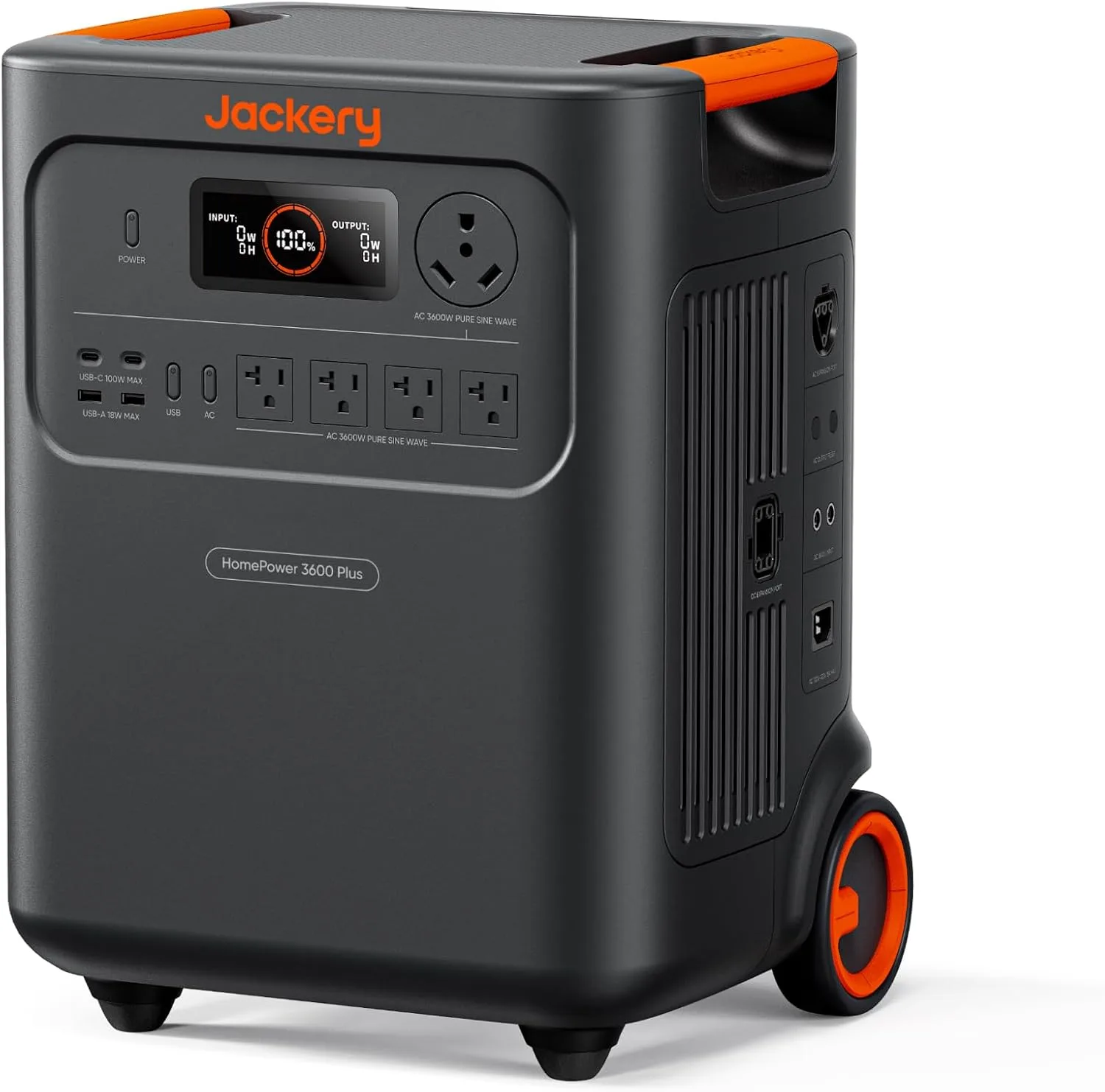
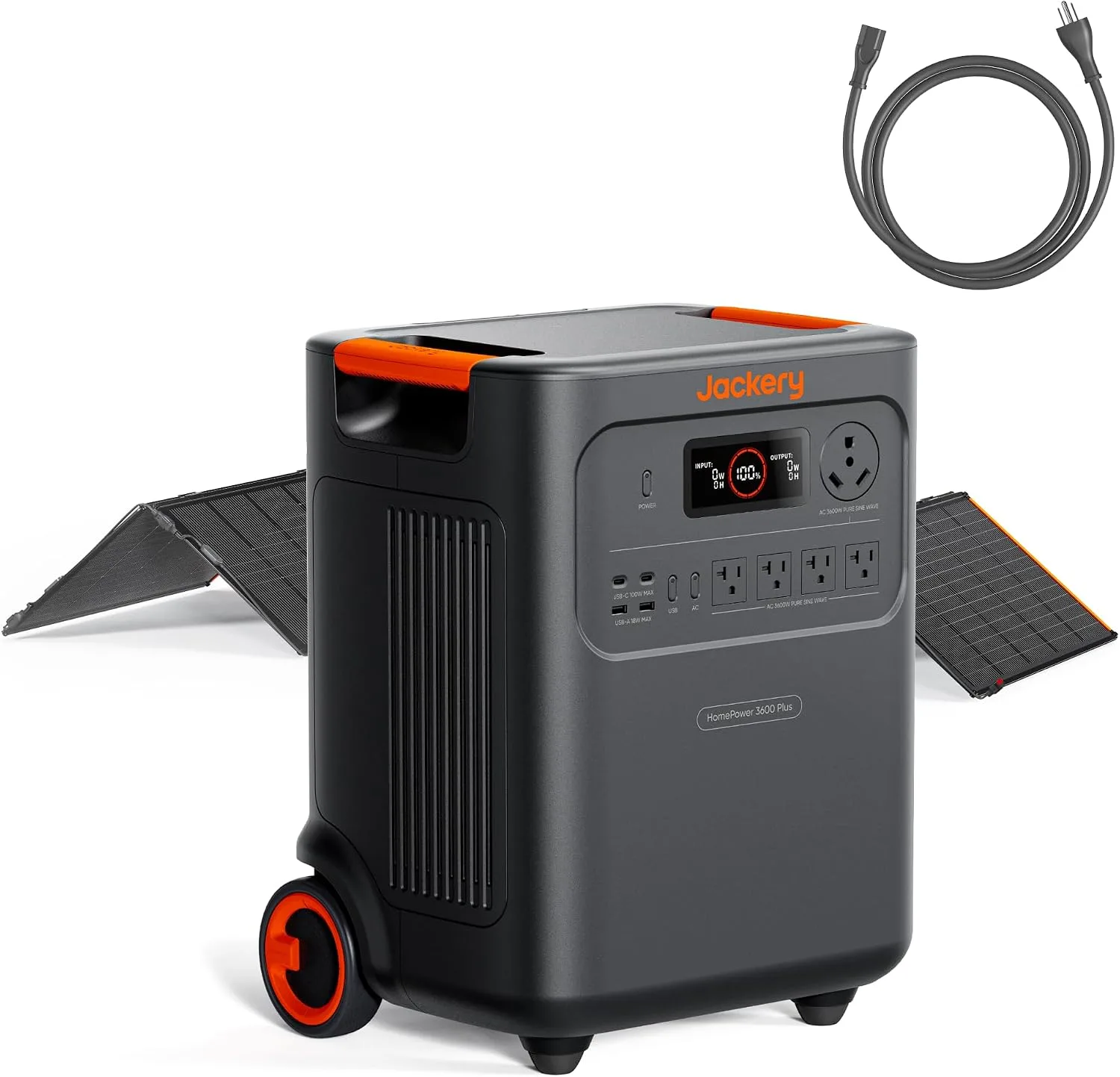
Jackery HomePower 3600 Pro Max
- Weight: 74.0 lb vs 100.1 lb
- Watt-hours per pound: 48.4 Wh/lb vs 36.0 Wh/lb
A first power station that must be simple, safe and easy to live with.
Spec by spec
A green mark is the better published figure on that row. Blank cells mean the vendor did not publish the number — we do not estimate.
| Metric | PowerMax 6000 | HomePower 3600 Pro Max | What it means |
|---|---|---|---|
| Capacity | 3,600 Wh | 3,584 Wh | How much energy the unit stores. Sets how long everything else can run. |
| Continuous AC output | 6,000 W | 4,000 W | The largest load the inverter will run continuously, not counting surge. |
| Weight lower is better | 100.1 lb | 74.0 lb | The spec buyers most often regret ignoring. |
| List price lower is better | $1,999 | $2,099 | Hub catalogue list price (same figure as product pages). Historical lows stay off this column. |
| Cost per watt-hour lower is better | $0.56 | $0.59 | Price divided by capacity. The fairest single value metric. |
| Watt-hours per pound | 36.0 Wh/lb | 48.4 Wh/lb | Capacity you get per pound carried. |
How each one ranks overall
The brands behind them
EcoGreat
Budget-minded prepper or off-grid starter who wants big watt-hour numbers without a premium brand
Best for: Shoppers who want maximum capacity per dollar and are comfortable with a lesser-known brand.
Not for: Buyers who need proven reliability, strong warranty service, or a well-documented ecosystem.
All EcoGreat models →Jackery
The mainstream first-time buyer who wants one simple box
Best for: A first power station that must be simple, safe and easy to live with.
Not for: Buyers chasing maximum watt-hours per dollar, or maximum solar input.
All Jackery models →Where these numbers come from. WattPicks does not test power stations — this is a spec profile, not a review. Every figure on this page is taken from EcoGreat’s own product listing and is stored with the vendor’s exact wording, reproduced below. We do not estimate missing specs — a field the vendor does not publish is shown as “—” and excluded from rankings. Source: EcoGreat listing on Amazon.
Vendor wording for each figure (3)
capacityWh: “PowerMax 6000 is the model/output tier, not 6000Wh; catalogue keeps 3600Wh nameplate.”acOutputW: “6000”weight: “100.1 pounds”
Where these numbers come from. WattPicks does not test power stations — this is a spec profile, not a review. Every figure on this page is taken from Jackery’s own product listing and is stored with the vendor’s exact wording, reproduced below. We do not estimate missing specs — a field the vendor does not publish is shown as “—” and excluded from rankings. Source: Jackery listing on Amazon.
Vendor wording for each figure (3)
capacityWh: “3584 Wh”acOutputW: “4000 watts”weight: “74 pounds”
Frequently asked
Which is better for most buyers, the EcoGreat PowerMax 6000 or the Jackery HomePower 3600 Pro Max?
The PowerMax 6000 leads 4–2 on shared published metrics. That edge matters when capacity, continuous ac output, list price match what you need; otherwise take the HomePower 3600 Pro Max.
I care most about carry / camping — which should I buy?
Choose HomePower 3600 Pro Max when you will move the unit often — it leads on weight and watt-hours per pound.
Method and sources
Every row on this page is a published manufacturer figure from the WattPicks catalog at build time. WattPicks does not run laboratory tests on these units, and blank cells mean the vendor did not publish that metric — not that we estimated it.
Read our methodology for how the catalog is normalized, and about WattPicks for who publishes it.