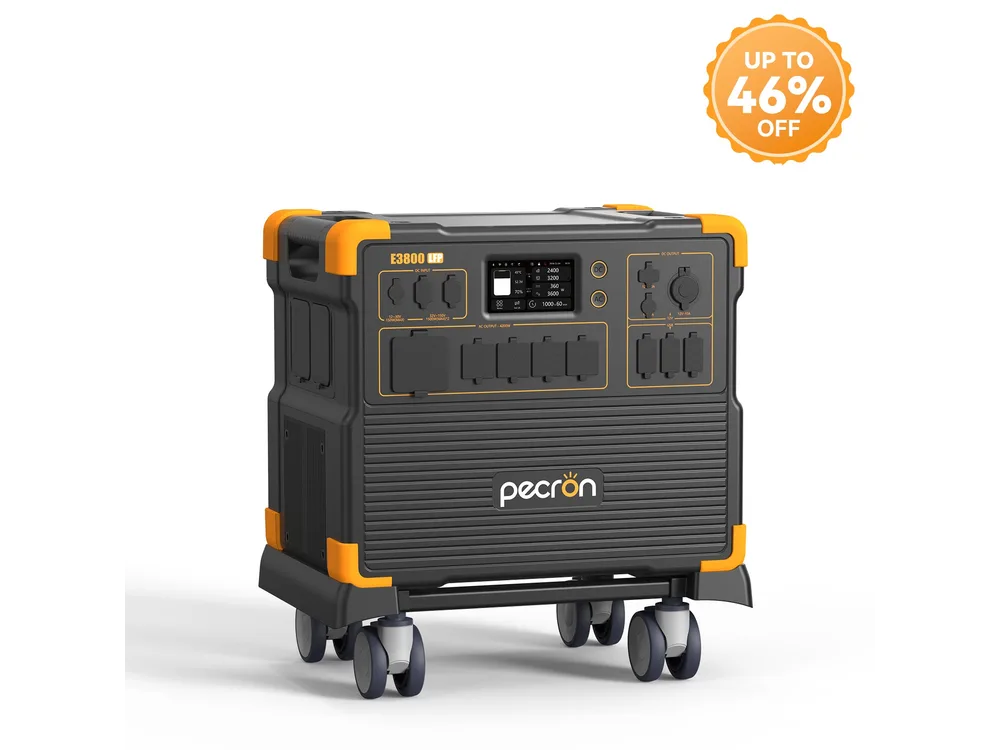
PECRON E3800LFP
Top of the ranking on this page, using the criteria below.
3.84 kWh · 4.2 kW AC · 87.3 lb · $0.34/Wh
Best of · Solar-ready
Buyers searching for a power station “with solar panel included” usually want a solar-ready kit: a battery that accepts a useful array, not a bare brick. Our dataset does not record which retail SKUs ship a panel in the box, so this page ranks stations that publish a solar input — on solar ceiling, capacity value and rated life — and tells you how to pair panels honestly.
WattPicks does not test power stations, and this page does not claim to. Every specification, price and derived figure is read from the manufacturers’ own product pages; the ranking is computed from that data using the criteria stated above, not from first-hand use.
67 models in the dataset match this page’s scope, and 67 of them publish a list price, which is what the value figures need. Nothing here has been tested by us.
Top of the ranking on this page, using the criteria below.
3.84 kWh · 4.2 kW AC · 87.3 lb · $0.34/Wh
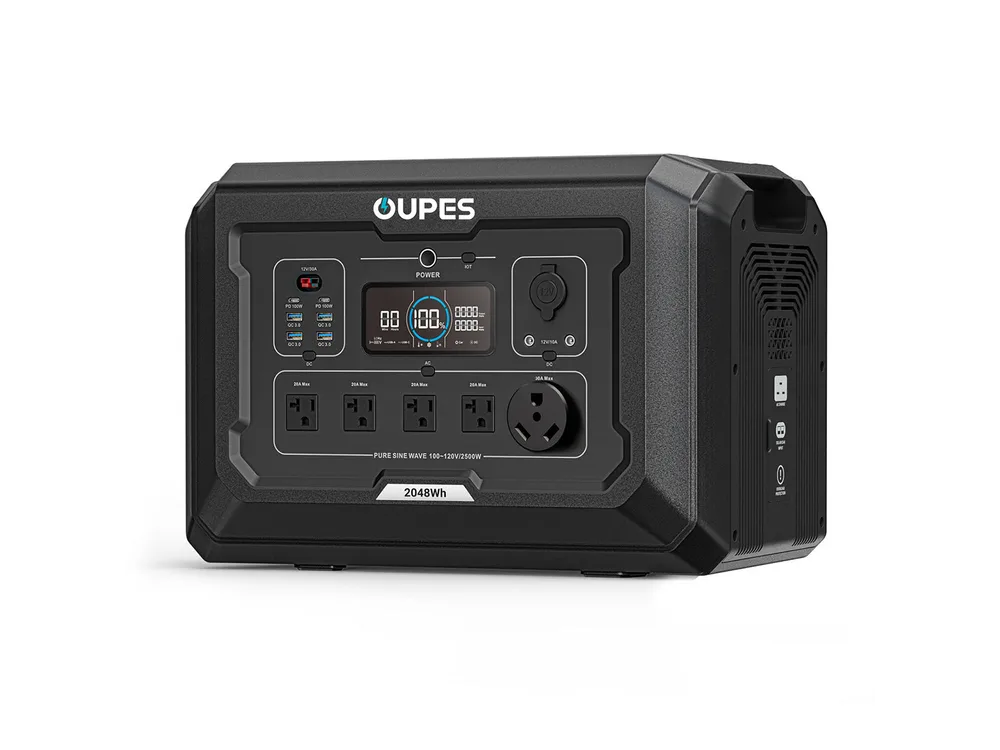
The lowest published list price in this shortlist ($729).
2.05 kWh · 2.5 kW AC · 48.5 lb · $0.36/Wh
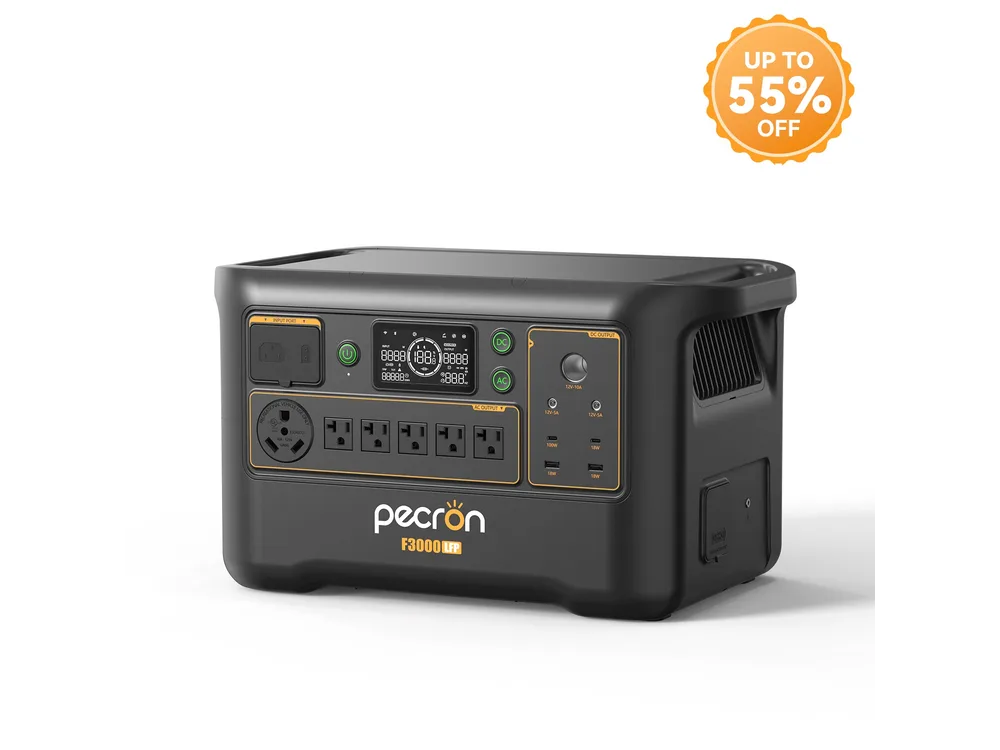
48.5 Wh per pound — the best in this shortlist.
3.07 kWh · 3.6 kW AC · 63.3 lb · $0.29/Wh
Every entry carries its trade-offs. They are computed by comparing the model with the others in its own capacity band, so they are statements about this dataset rather than opinions.
Why it is here: WattPicks balanced score — average percentile across Highest solar input, Best value (cost per watt-hour), Longest service life (higher is better)
Who should skip it: Skip it if you have to carry it any distance; this is a leave-it-in-place unit.
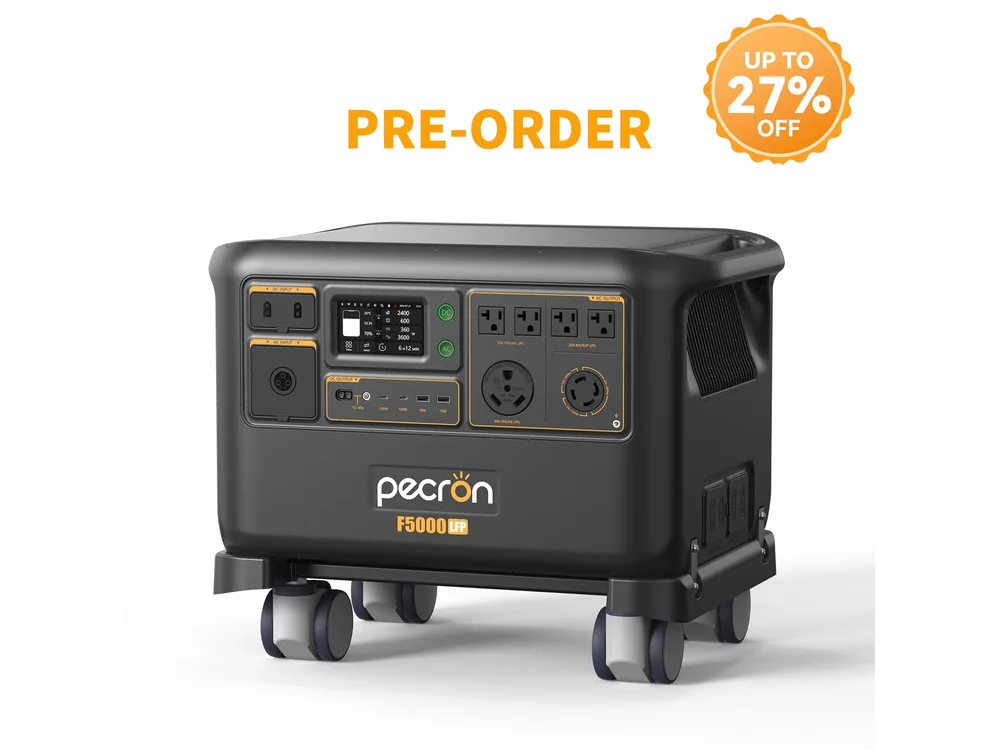
Why it is here: WattPicks balanced score — average percentile across Highest solar input, Best value (cost per watt-hour), Longest service life (higher is better)
Who should skip it: Skip it if you have to carry it any distance; this is a leave-it-in-place unit.
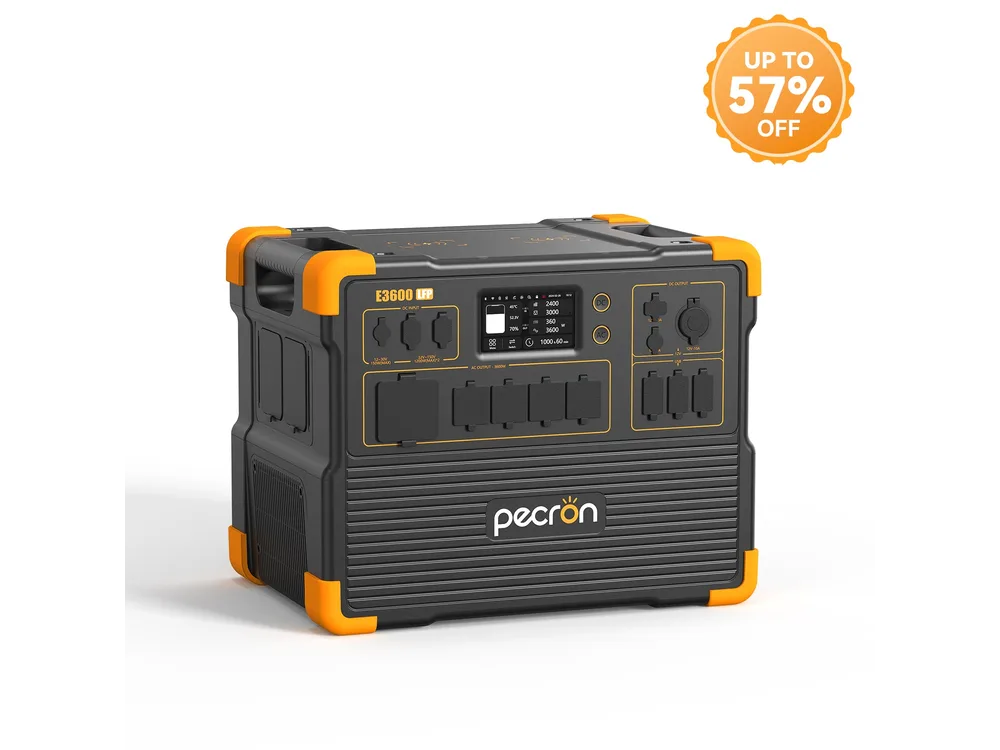
Why it is here: WattPicks balanced score — average percentile across Highest solar input, Best value (cost per watt-hour), Longest service life (higher is better)
Who should skip it: Skip it if you have to carry it any distance; this is a leave-it-in-place unit.
Why it is here: WattPicks balanced score — average percentile across Highest solar input, Best value (cost per watt-hour), Longest service life (higher is better)
Who should skip it: Skip it if you have to carry it any distance; this is a leave-it-in-place unit.
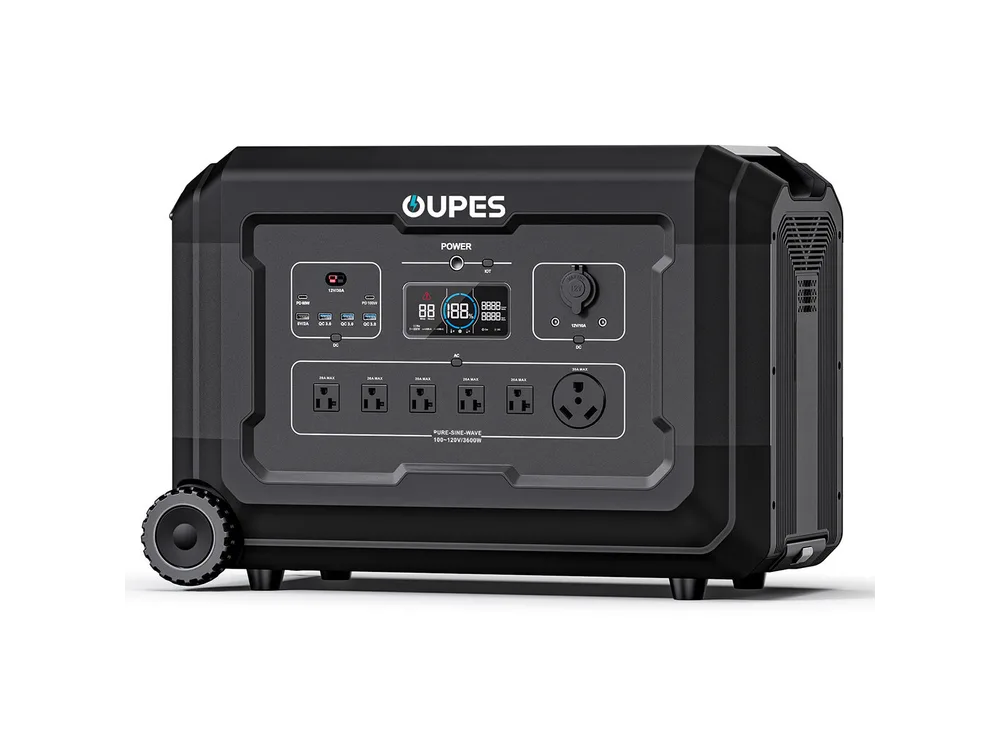
Why it is here: WattPicks balanced score — average percentile across Highest solar input, Best value (cost per watt-hour), Longest service life (higher is better)
Who should skip it: Skip it if you have to carry it any distance; this is a leave-it-in-place unit.
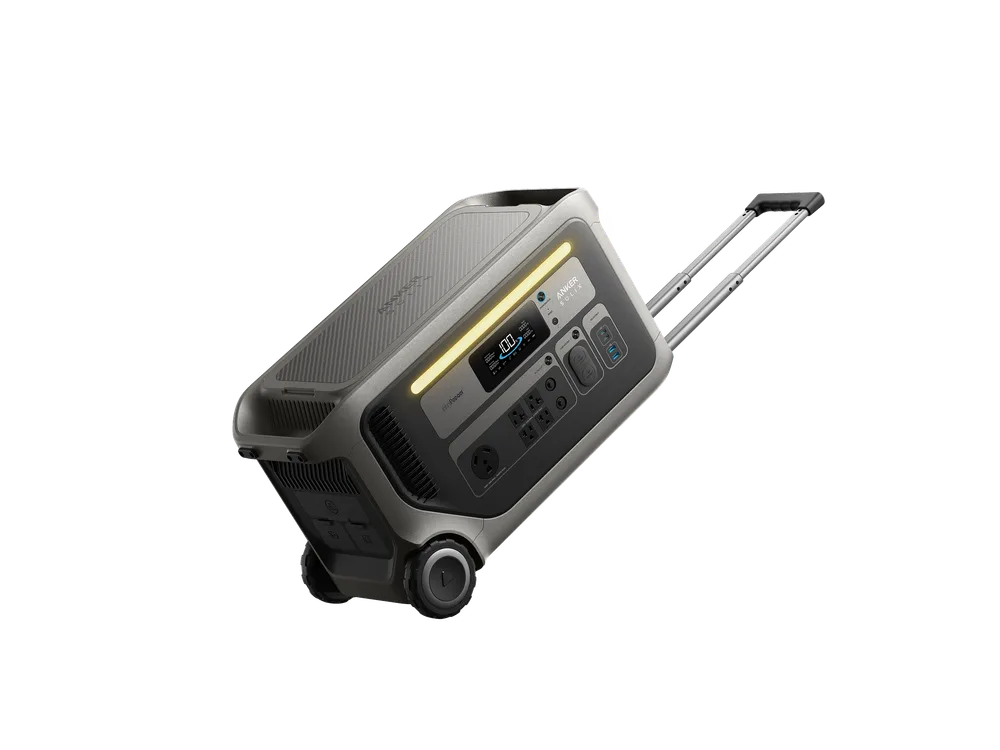
Why it is here: WattPicks balanced score — average percentile across Highest solar input, Best value (cost per watt-hour), Longest service life (higher is better)
Who should skip it: Skip it if you have to carry it any distance; this is a leave-it-in-place unit.
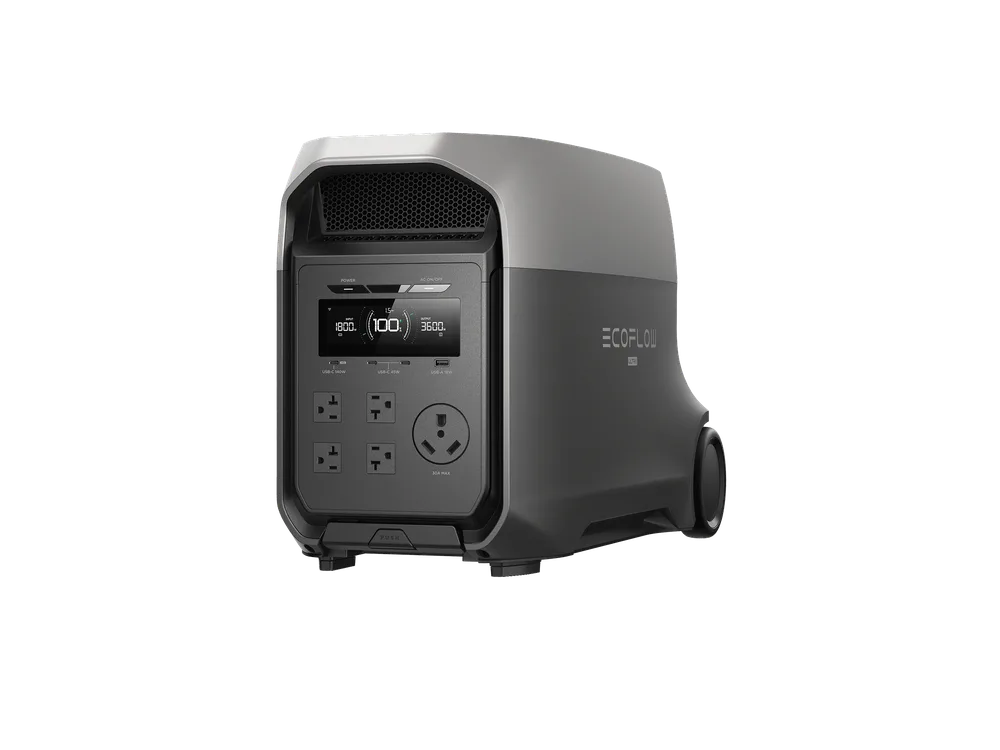
Why it is here: WattPicks balanced score — average percentile across Highest solar input, Best value (cost per watt-hour), Longest service life (higher is better)
Who should skip it: Skip it if you have to carry it any distance; this is a leave-it-in-place unit.
Why it is here: WattPicks balanced score — average percentile across Highest solar input, Best value (cost per watt-hour), Longest service life (higher is better)
Who should skip it: Skip it if you have to carry it any distance; this is a leave-it-in-place unit.
Retailers sell station-plus-panel bundles under “solar generator” labels. The deciding specs are still the station’s solar input, the panel’s wattage and whether the connectors and voltage match. A bundle with a weak input ceiling is not a better solar generator than an open-box station with a strong one.
Rough fill time in hours ≈ battery watt-hours ÷ panel watts accepted (after real-world losses, plan on longer). A 1,000 Wh station accepting 200 W needs far more sun than one accepting 800 W. Our guide on how long to charge with solar walks through the formula with dataset examples.
Mismatched voltage and connectors are the top panel complaint. Check the station’s input range on the model page before buying third-party panels, and treat proprietary connectors as a lock-in cost.
Buy the station with the solar input your array needs, then confirm whether the retail SKU actually ships a panel. This ranking shortlists solar-ready stations from published specs; bundle contents vary by seller.
Stay at or under the station’s maximum solar input, match voltage, and size wattage for the daily energy you need to recover. More panel than the input ceiling does not charge faster.
Usually it is the same battery marketed with panels. See our guide on power station vs solar generator for the naming confusion.