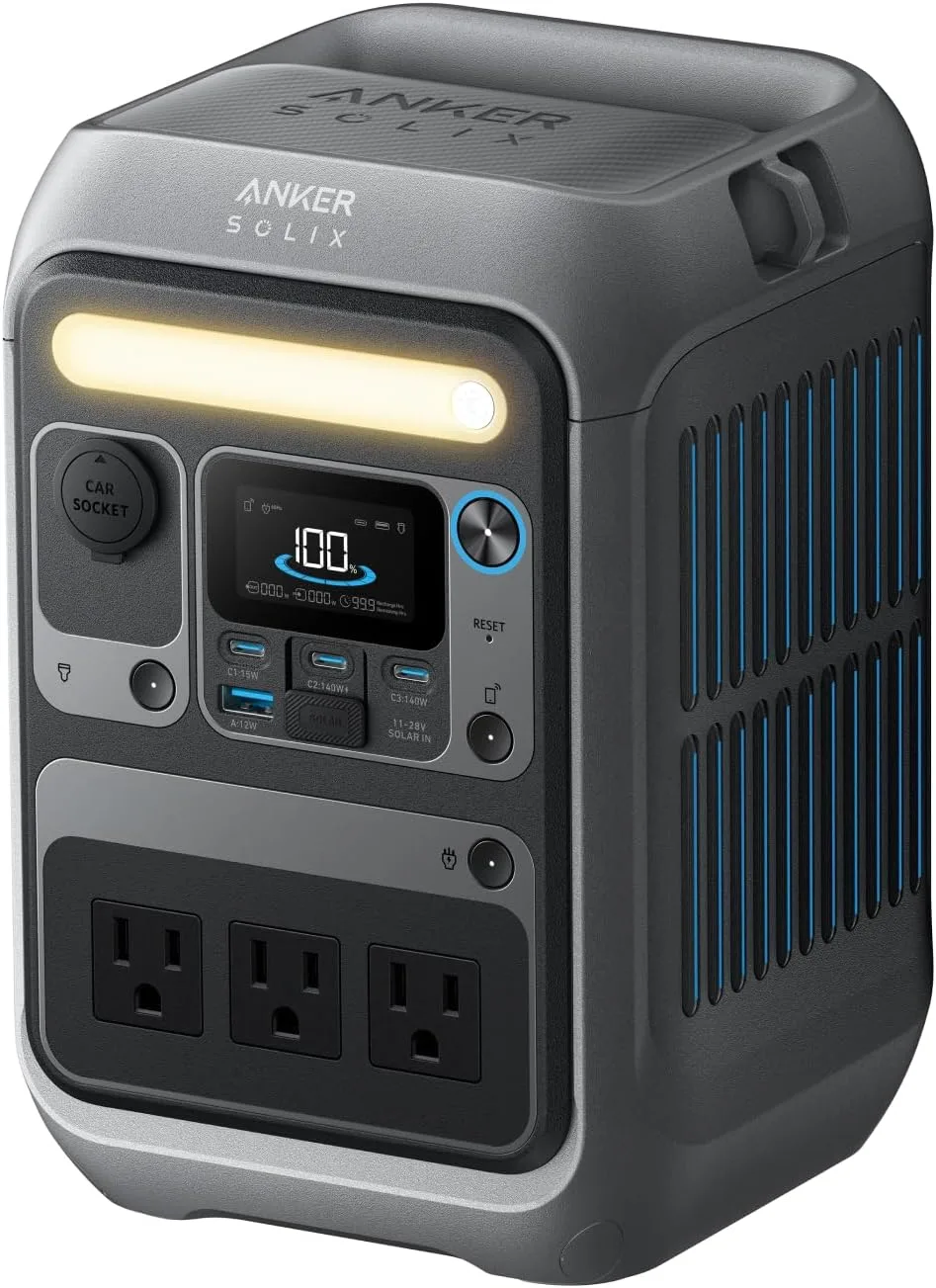
Anker SOLIX · Compact
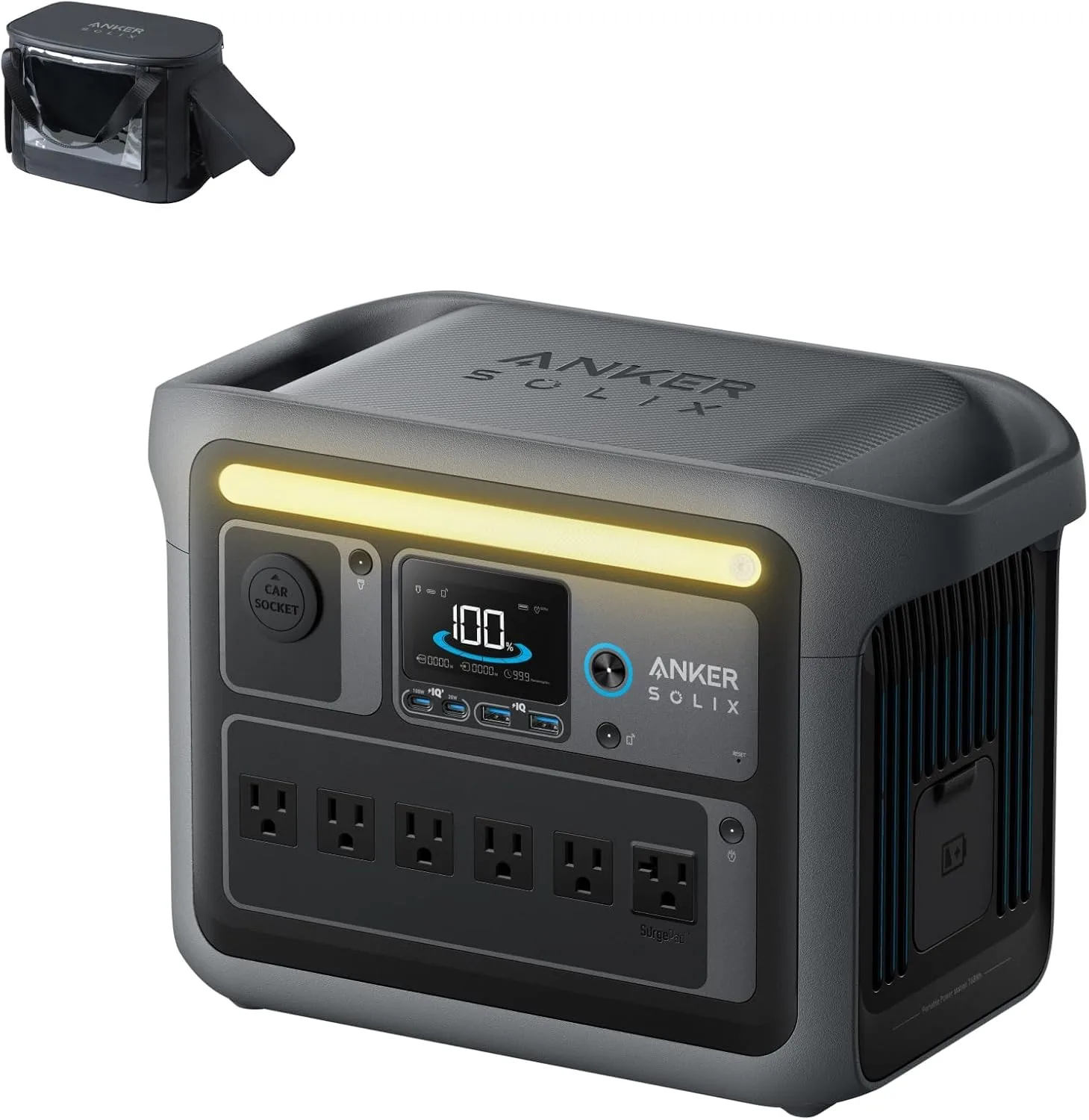
Anker SOLIX F3002 Specs, Price & Buyer Notes
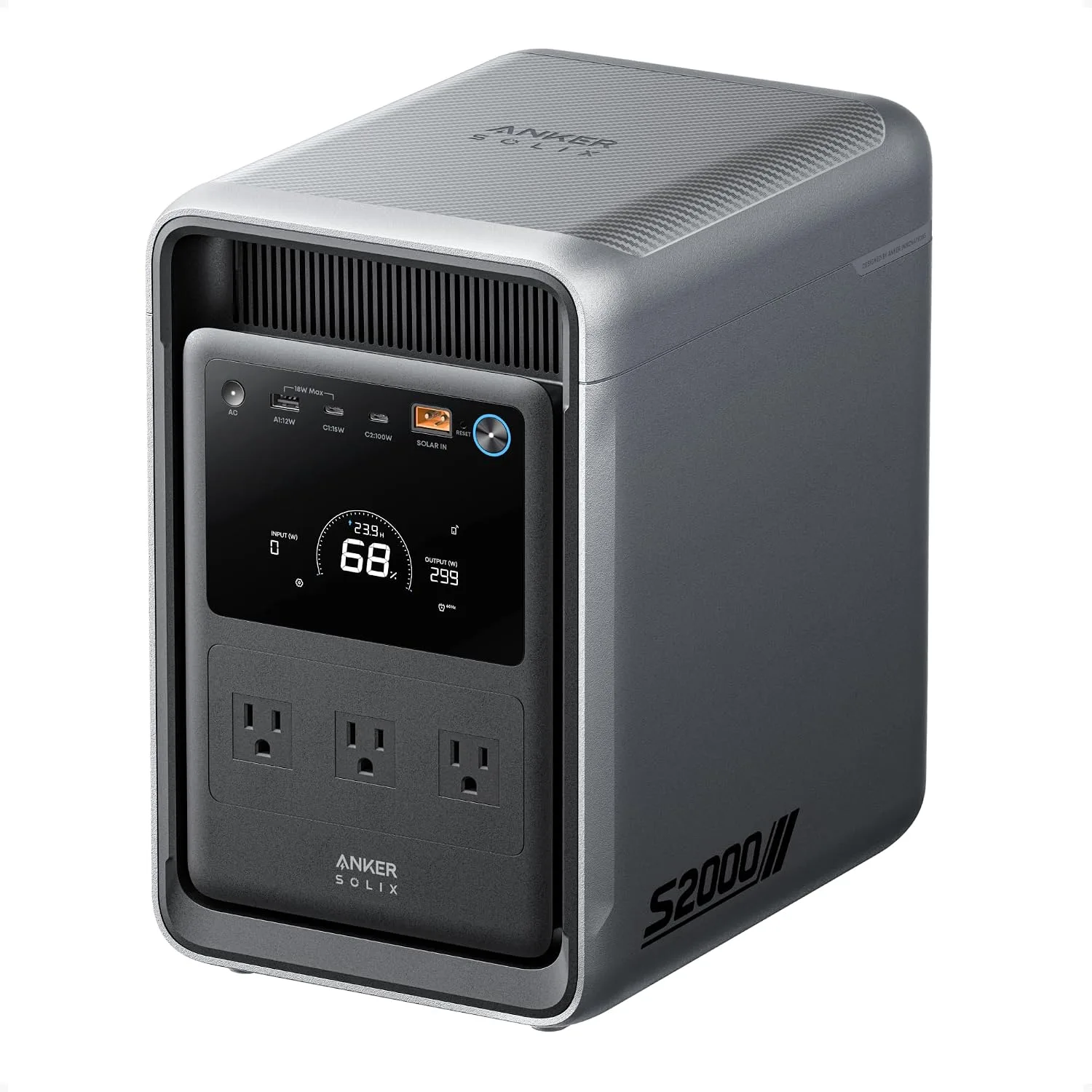
72 Wh of storage, 3.6 kW of continuous AC output, listed at $3,199. That works out to $44.43 per watt-hour and 0.8 watt-hours per pound. Spec figures below are taken from Anker SOLIX’s own product page; WattPicks editors are deep-use experience reviewers, not a pretend third-party lab for every SKU.
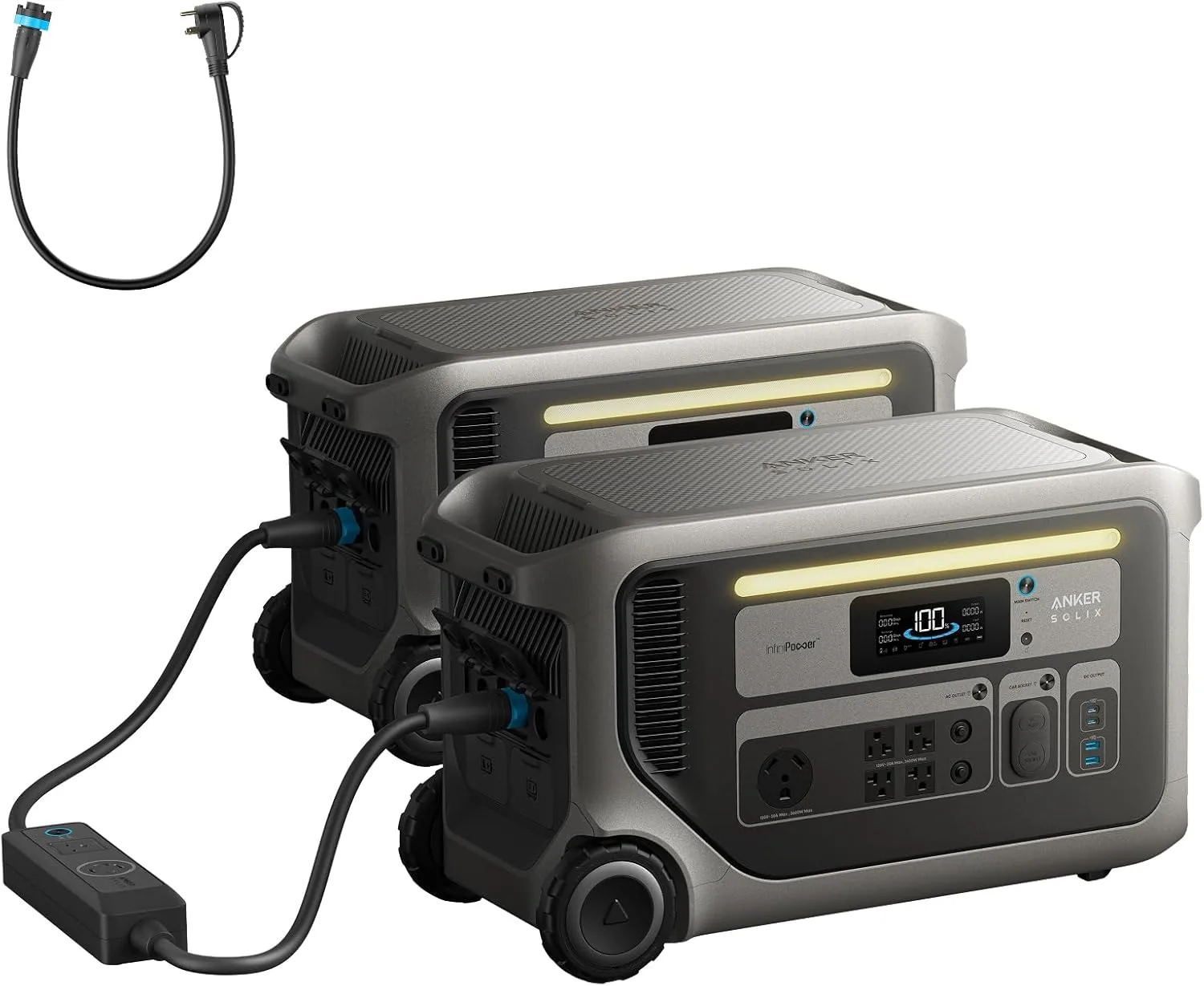
72 Wh3.6 kW AC91.5 lbLiFePO4
What this unit is for
Anker applying consumer-electronics discipline to energy: the pitch is that buying a power station should feel like buying a good laptop charger.
Best suited to: Buyers who want a well-made, well-supported unit and will use the app. Less suited to: Off-gridders who need the widest accessory ecosystem or the lowest cost per Wh.
Phones, lights, a laptop. Carryable in one hand.
Where to buy
A tracked retailer link appears here only when we have a resolved offer for this model. We do not send readers to a manufacturer store page we cannot attribute.
Specifications
4 of 19 fields are published by Anker SOLIX for this model. The rest are shown as “—” and are excluded from rankings rather than estimated.
| Rated Wh (nameplate) | 72 Wh |
|---|---|
| AC output (continuous) | 3.6 kW |
| AC surge | — |
| Power lifting / boost | — |
| Battery chemistry | LiFePO4 |
| Rated cycles | — |
| Weight | 91.5 lb |
| AC recharge to full | — |
| Max solar input | — |
| AC outlets | — |
| USB-C ports | — |
| USB-A ports | — |
| 12V car port | — |
| UPS switchover | — |
| Max expandable capacity | — |
| Warranty | — |
| Noise level | — |
| Ingress protection | — |
| Operating temp (low) | — |
| List price | $3,199 |
Where these numbers come from. WattPicks does not test power stations — this is a spec profile, not a review. Every figure on this page is taken from Anker SOLIX’s own product listing and is stored with the vendor’s exact wording, reproduced below. We do not estimate missing specs — a field the vendor does not publish is shown as “—” and excluded from rankings. Source: Anker SOLIX listing on Amazon.
Vendor wording for each figure (4)
capacityWh: “72 Wh”acOutputW: “3600”chemistry: “LiFePO4”weight: “91.5 pounds”
Anker SOLIX F3002 specs FAQ
What are the Anker SOLIX F3002 specs?
72 Wh capacity; 3.6 kW continuous AC; 91.5 lb; LiFePO4; listed at $3,199. 4 of 19 fields are published by Anker SOLIX on the product page we read.
How long does the Anker SOLIX F3002 last?
The vendor does not publish a cycle rating for this model on the page we read. Runtime is still capacity ÷ load; chemistry and duty cycle decide calendar life.
Can the Anker SOLIX F3002 charge from solar?
No maximum solar input is published on the product page we read, so we cannot state a solar ceiling for this model.
Is the Anker SOLIX F3002 good value?
At the published list price it works out to $44.43 per watt-hour. Compare that figure on our cost-per-watt-hour ranking rather than price alone.
Still sizing the purchase? How much capacity do I need · Solar charge time · Jackery vs EcoFlow vs BLUETTI
Where it ranks
Specs table →Position among all 141 power stations we track, in each dimension this unit publishes the inputs for.
| Dimension | Rank | Value |
|---|---|---|
| Most portable (Wh per pound) | #135 of 135 | 0.8 Wh/lb |
| Most inverter headroom | #1 of 141 | 5000 W/100Wh |
| Most output per dollar | #130 of 141 | 1.13 W/$ |
Who buys this brand, and why
All models →Who it is for
- People who already own Anker chargers, cables or power banks
- Design-conscious buyers
- Home-office and apartment dwellers rather than off-gridders
- First-time energy buyers who want a familiar brand and app
What they will pay extra for
- Design and build quality
- Fast, quiet charging
- A polished app and firmware support
- Buying from a brand with a consumer-grade returns process
Honest drawbacks
- Newer to the category than the camping incumbents
- Smaller range than EcoFlow or BLUETTI, with fewer off-grid accessories
- Pricing is not the value play — the premium is for polish
- Less field-proven in hard off-grid use
Elsewhere in the Anker SOLIX range
All Anker SOLIX models →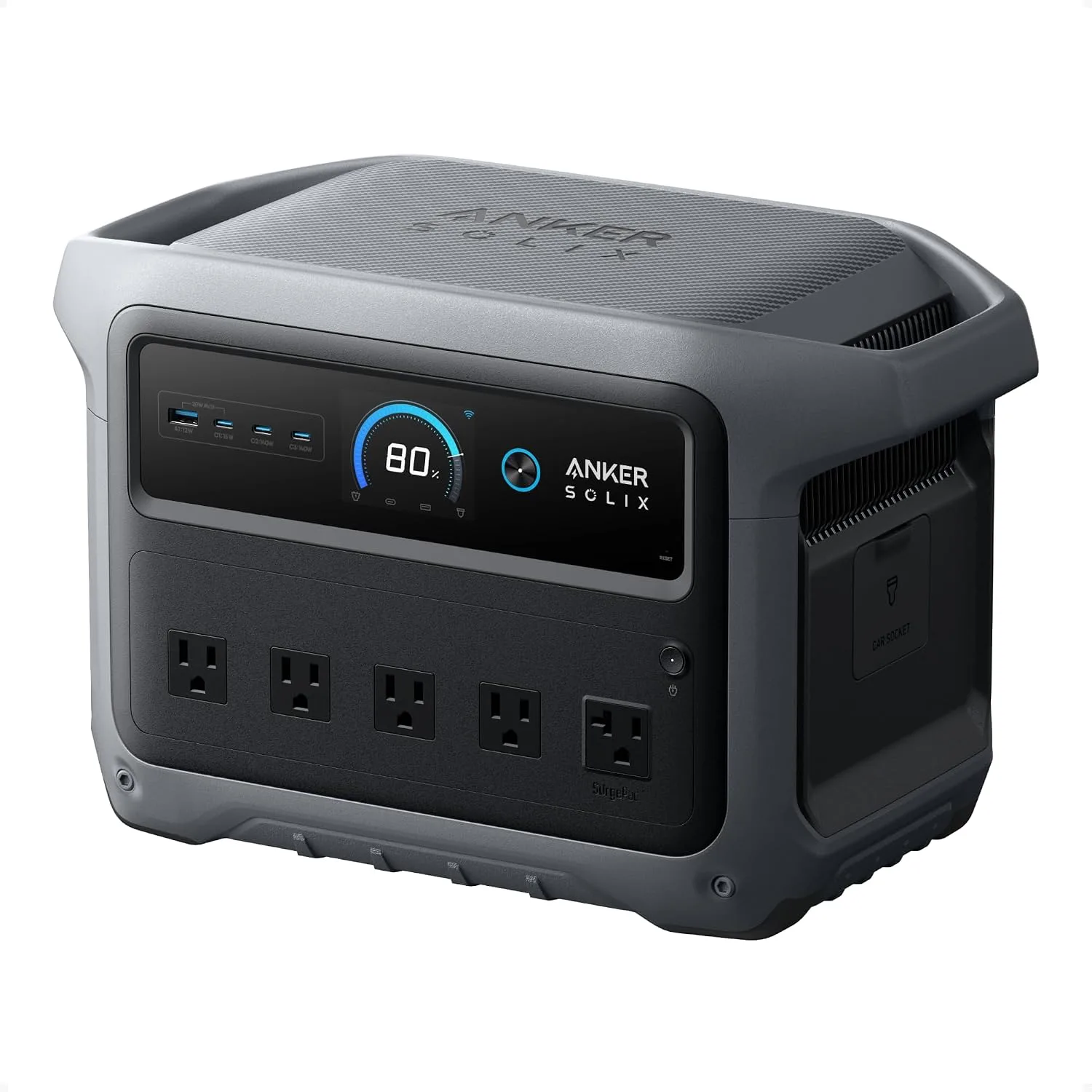
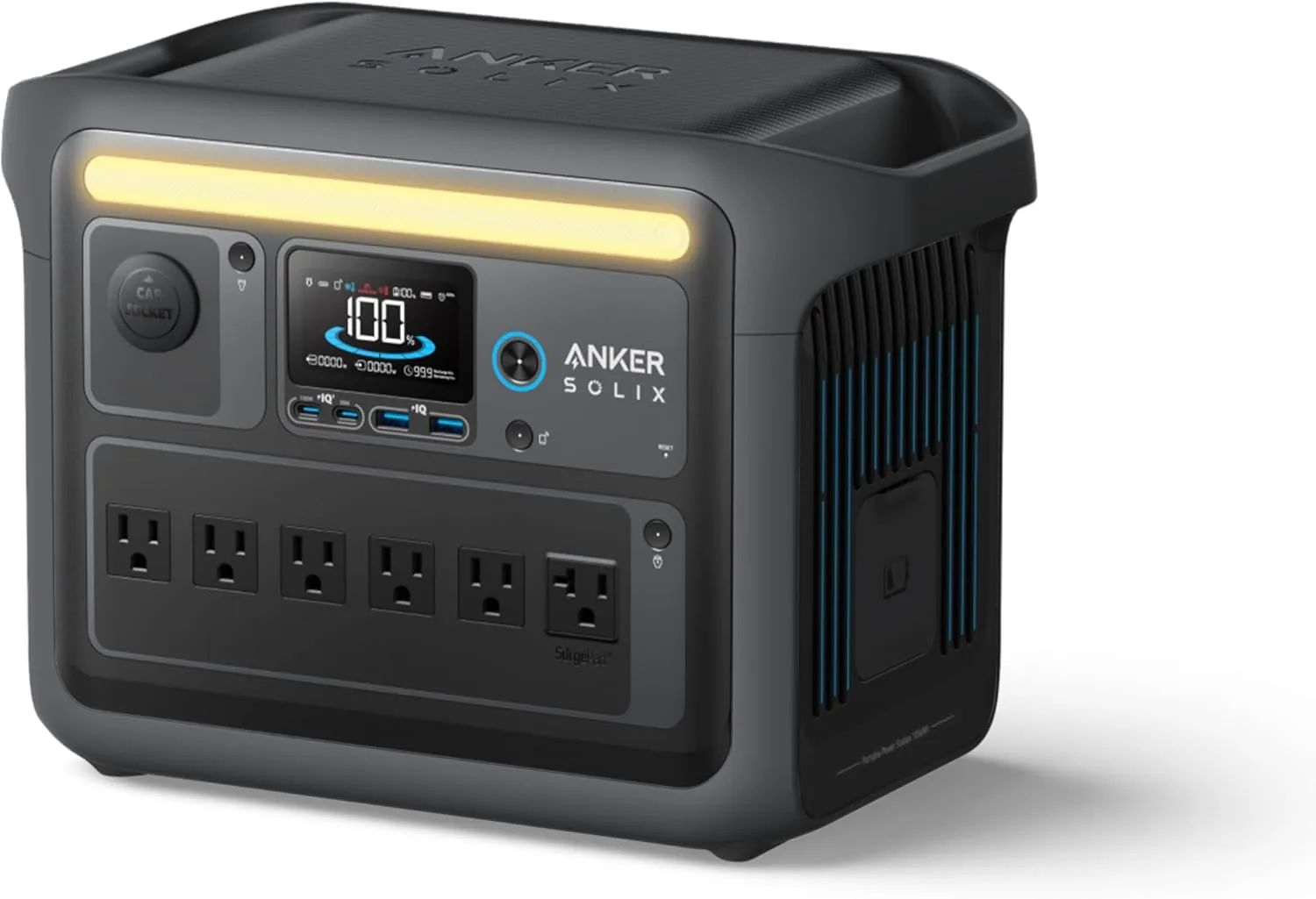
Closest rivals by capacity
Other brands’ models nearest in capacity — the units a buyer is most likely to be comparing against this one.