
Guide
How to store and use a power station in cold weather
Cold and heat do opposite kinds of damage. Cold temporarily reduces what you get out of a pack; heat permanently shortens its life. Winter storage is mostly about avoiding the second while tolerating the first.
Every figure on this page is computed from the WattPicks dataset (107 models from 12 brands, all read from the manufacturers' own product pages). We do not test power stations, so nothing here is a measurement of ours.
What cold actually does
A cold battery holds the same energy but delivers it less readily: internal resistance rises, so voltage sags under load and the pack behaves as though it has less capacity. Warm it back up and the capacity returns. That is a temporary effect, not damage.
Charging below freezing is the exception. Most lithium chemistries should not be charged at sub-zero temperatures because it plates the anode and causes permanent capacity loss. Many stations refuse the charge themselves; the ones that do not rely on you to know.
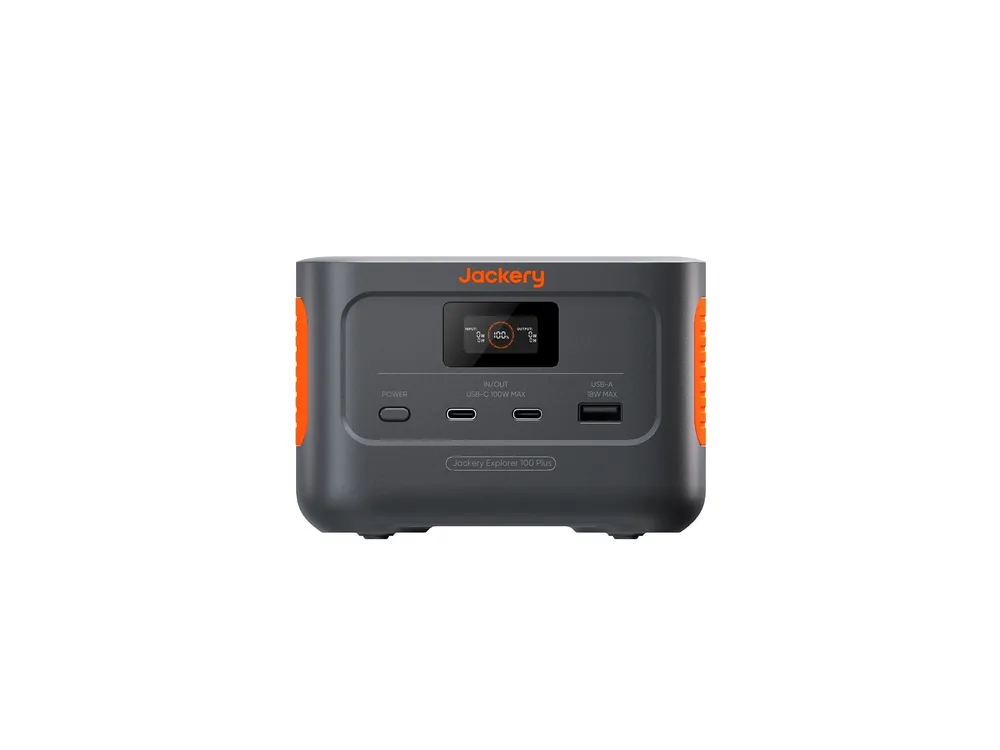
The storage rules
- Store around half charge, not full — full charge plus heat is what ages cells fastest.
- Keep it dry and above freezing if you can; a garage is better than a shed, a cupboard better than a car.
- Bring it inside before you need it, and let it reach room temperature before charging.
- Do not leave it plugged in and topped up for months on end.
Operating it in the cold
For a winter camping or emergency kit, the pattern that works is to keep the station warm until it is needed, then accept reduced output while it is cold. Insulating it (or keeping it in a cooler with a warm pack) buys real capacity back.
Expect the solar input to be poor too: winter sun is weak and low, so a panel that refills a station in summer may barely keep up in January. That is a property of the sun, not the panel.
If it lives in a vehicle
Summer is the harder season for a car-stored station — cabin temperatures are far more damaging than winter cold. If the unit has to stay in the vehicle year-round, that trade-off is worth thinking about before buying an expensive one.
Frequently asked
Can I leave a power station in a freezing garage?
Storing it cold is far less harmful than charging it cold. Let it warm to room temperature before recharging, and expect reduced output while it is cold.
Does cold weather permanently damage a power station?
Cold storage generally does not. Charging below freezing can, and summer heat in a parked car is the bigger long-term risk.