
Explainer
Cost per watt-hour, explained
This is the ranking most buyers actually want, and the one that most easily misleads. Both halves of that sentence are true, so the formula and the blind spots are stated together.
Every figure on this page is computed from the WattPicks dataset (107 models from 12 brands, all read from the manufacturers' own product pages). We do not test power stations, so nothing here is a measurement of ours.
The formula
Cost per watt-hour = the vendor’s list price ÷ the station’s capacity in watt-hours. Lower is better. It is computed from two vendor-published figures and nothing else, so you can check any row in our ranking against the manufacturer’s own page.
It is deliberately not adjusted for anything. That is what makes it comparable, and also what makes it incomplete.
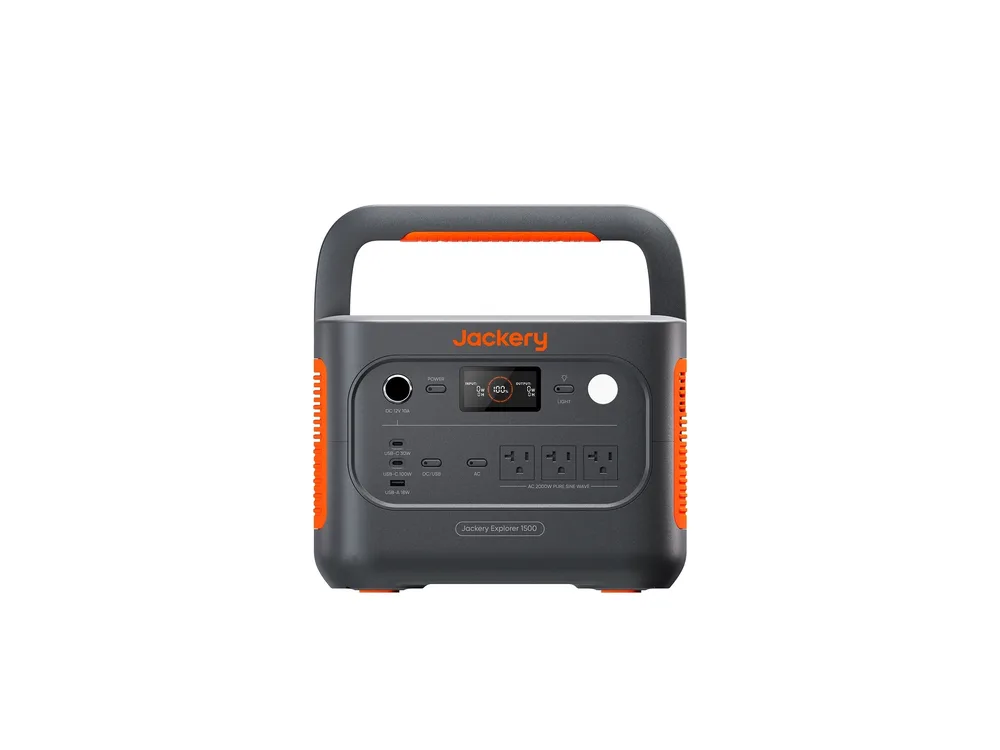
What the range looks like in our data
Across the 47 models we track at 1,500 Wh and above, cost per watt-hour runs 0.29–1.00. In the 13-model 500–1,000 Wh band it runs 0.30–1.20.
The cheapest unit in a band is rarely the one with the best cycle life, the highest output per watt-hour, or the best support. It is the one with the lowest price for the stored energy.
What it ignores
- Chemistry and cycle life: a cheap unit with a 500-cycle battery can cost more per delivered watt-hour over its life than an expensive one with 3,000 cycles.
- Inverter quality and real output behaviour.
- Warranty and support.
- Weight — the cheapest unit is often the heaviest.
- Whether the price is actually available: list prices move, and ours are the vendor’s published figure at collection time.
How to use it well
Use it to find the value frontier, then read the model page for the things it ignores. If a unit is far cheaper per watt-hour than everything around it, the useful question is not "why is it cheap" but "what did they leave out" — and the specification table usually answers it.
Frequently asked
Is lower cost per watt-hour always better?
It is better value for stored energy, which is one dimension. It says nothing about how many cycles you get, how clean the output is, or how much it weighs.
Why do you use list price rather than the current sale price?
List price is the figure the manufacturer publishes on its own page, so it is verifiable and stable. Sale prices change weekly and would make the ranking irreproducible.