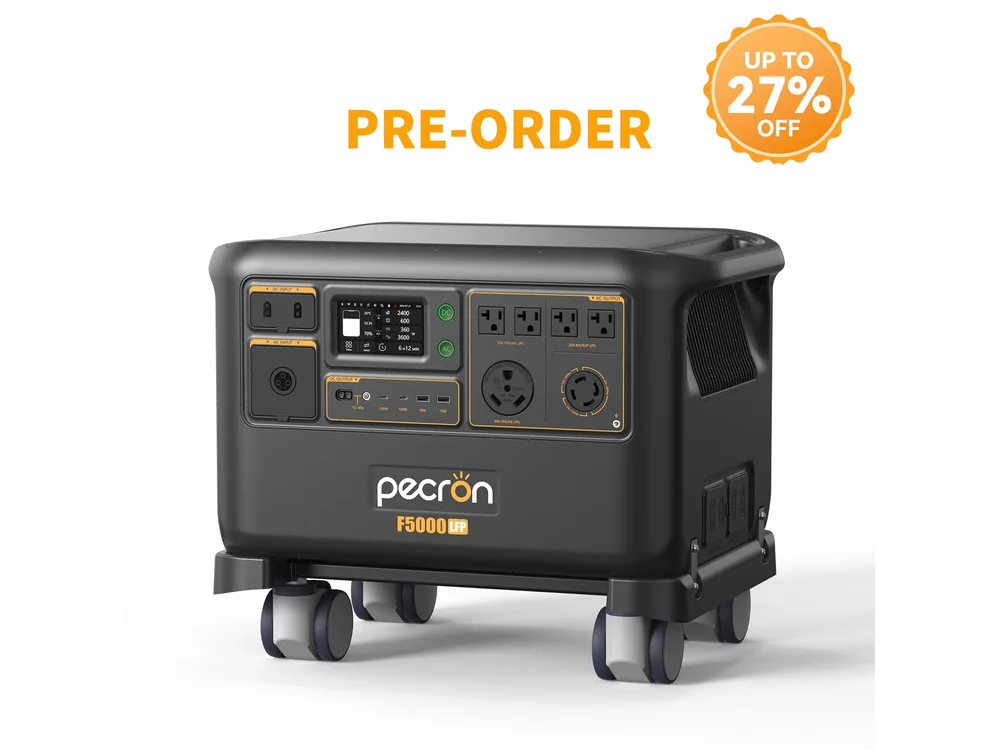
PECRON F5000LFP
Top of the ranking on this page, using the criteria below.
5.12 kWh · 7.2 kW AC · 123.9 lb · $0.43/Wh
Best of · LiFePO4
LiFePO4 is the chemistry that made this category a long-term purchase rather than a disposable one: vendor-stated cycle ratings in this dataset run into the thousands, against roughly 500 for the NMC units. This list ranks only LiFePO4 models, on rated service life.
WattPicks does not test power stations, and this page does not claim to. Every specification, price and derived figure is read from the manufacturers’ own product pages; the ranking is computed from that data using the criteria stated above, not from first-hand use.
95 models in the dataset match this page’s scope, and 92 of them publish a list price, which is what the value figures need. Nothing here has been tested by us.
Top of the ranking on this page, using the criteria below.
5.12 kWh · 7.2 kW AC · 123.9 lb · $0.43/Wh
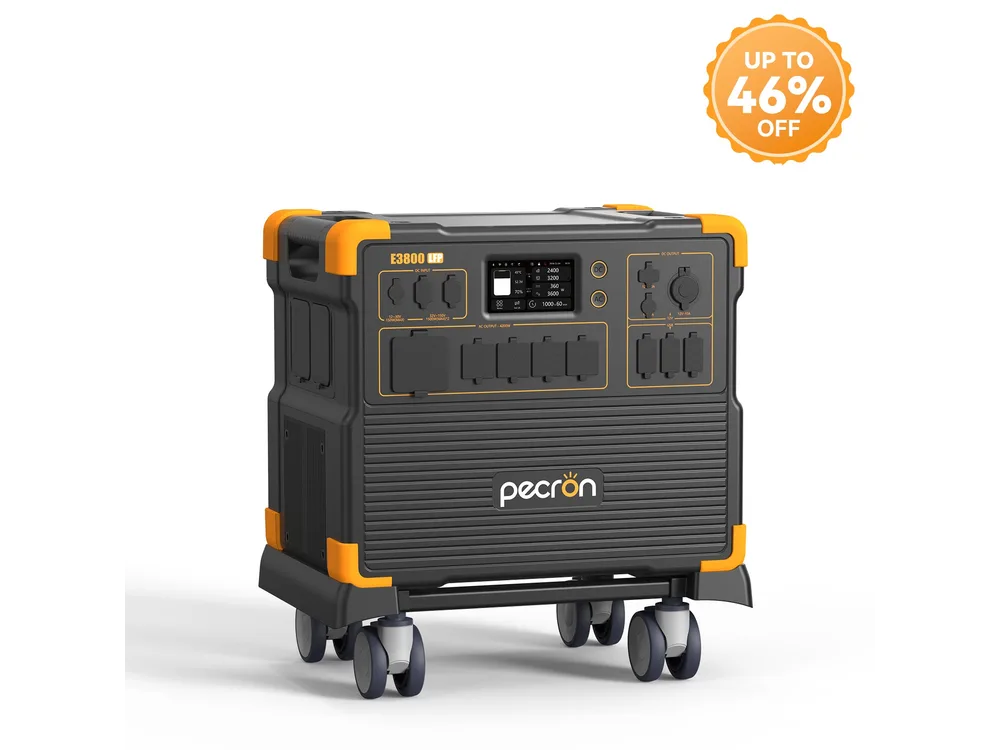
The lowest published list price in this shortlist ($1,299).
3.84 kWh · 4.2 kW AC · 87.3 lb · $0.34/Wh
Every entry carries its trade-offs. They are computed by comparing the model with the others in its own capacity band, so they are statements about this dataset rather than opinions.
Why it is here: Longest service life — capacity Wh × rated cycles (higher is better)
Who should skip it: Skip it if you have to carry it any distance; this is a leave-it-in-place unit.
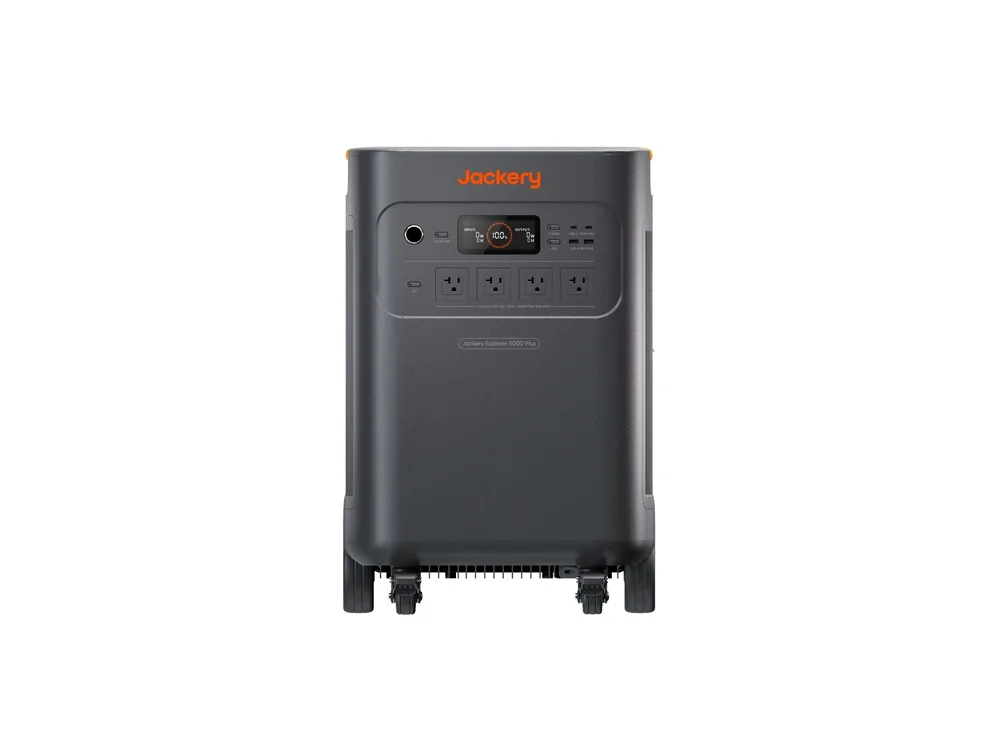
Why it is here: Longest service life — capacity Wh × rated cycles (higher is better)
Who should skip it: Skip it if you have to carry it any distance; this is a leave-it-in-place unit.
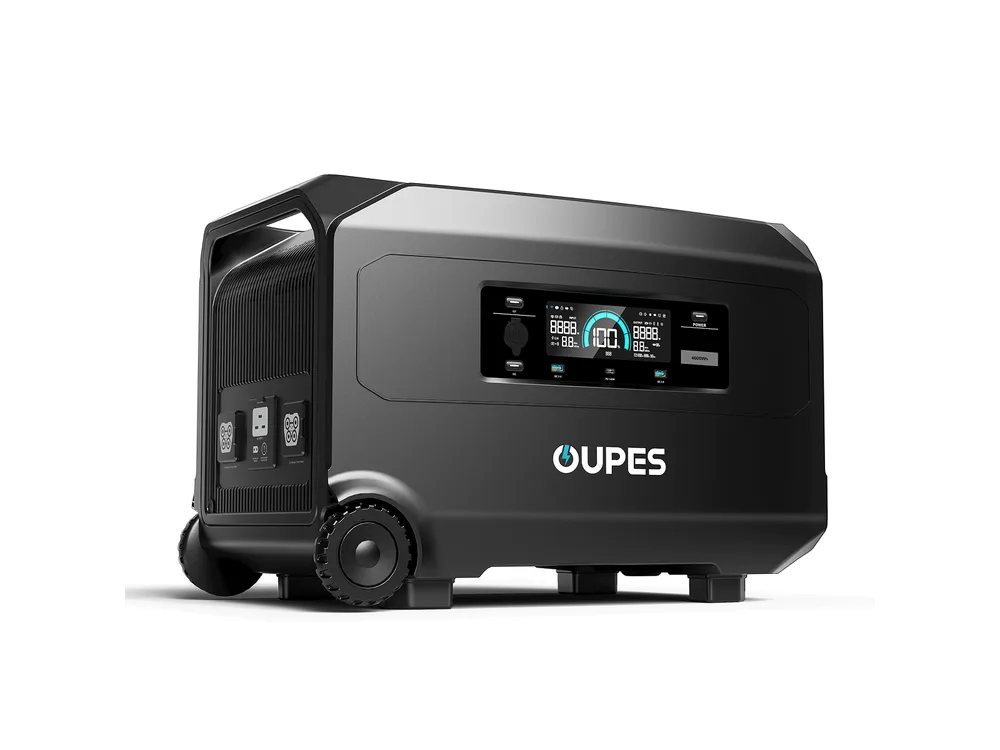
Why it is here: Longest service life — capacity Wh × rated cycles (higher is better)
Who should skip it: Skip it if you have to carry it any distance; this is a leave-it-in-place unit.
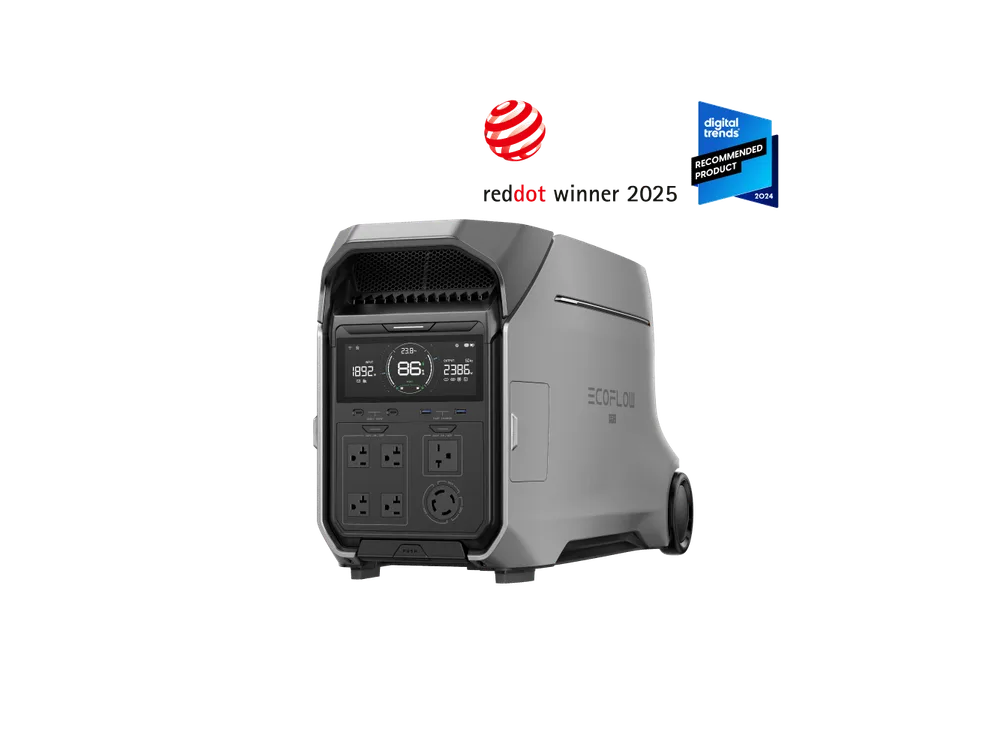
Why it is here: Longest service life — capacity Wh × rated cycles (higher is better)
Who should skip it: Skip it if you have to carry it any distance; this is a leave-it-in-place unit.
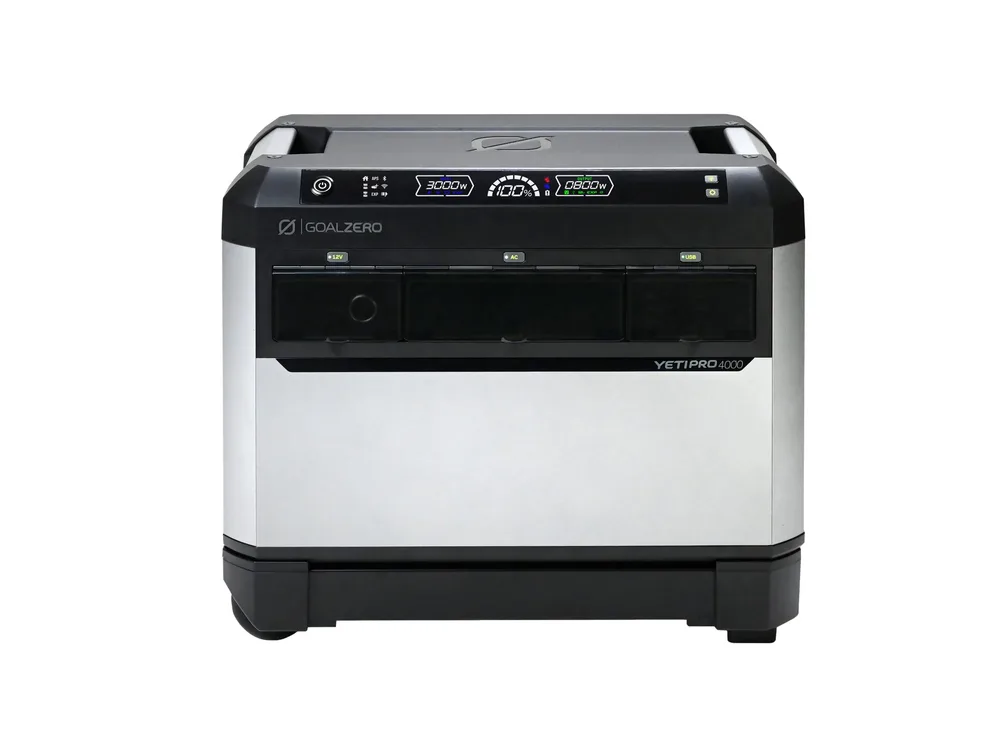
Why it is here: Longest service life — capacity Wh × rated cycles (higher is better)
Who should skip it: Skip it if you have to carry it any distance; this is a leave-it-in-place unit.
Why it is here: Longest service life — capacity Wh × rated cycles (higher is better)
Who should skip it: Skip it if you have to carry it any distance; this is a leave-it-in-place unit.
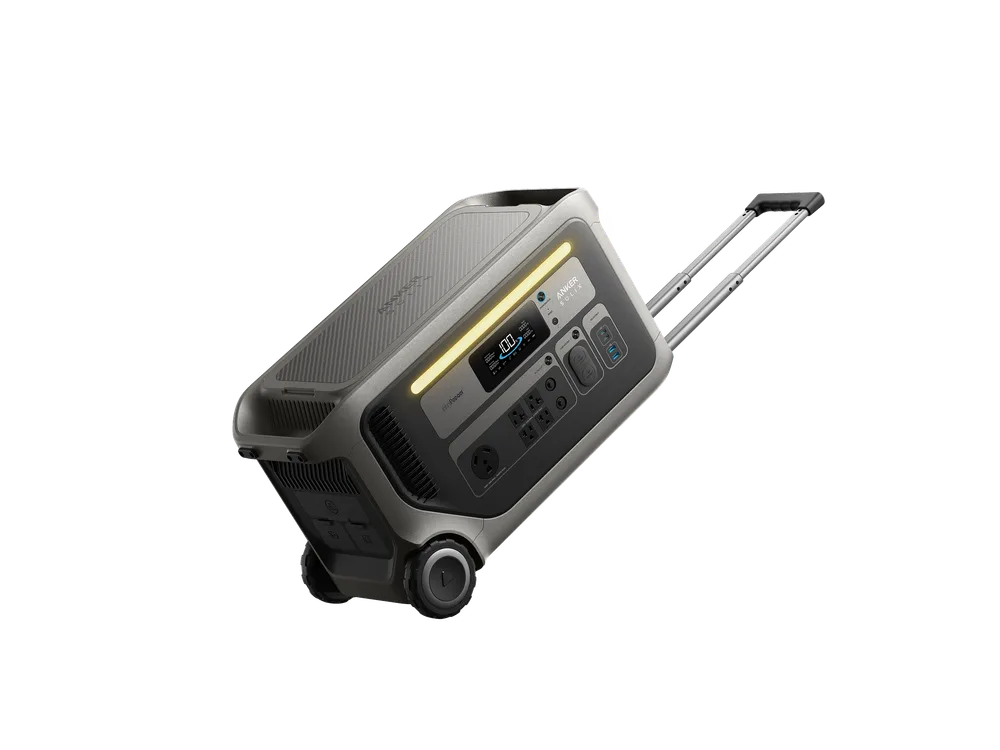
Why it is here: Longest service life — capacity Wh × rated cycles (higher is better)
Who should skip it: Skip it if you have to carry it any distance; this is a leave-it-in-place unit.
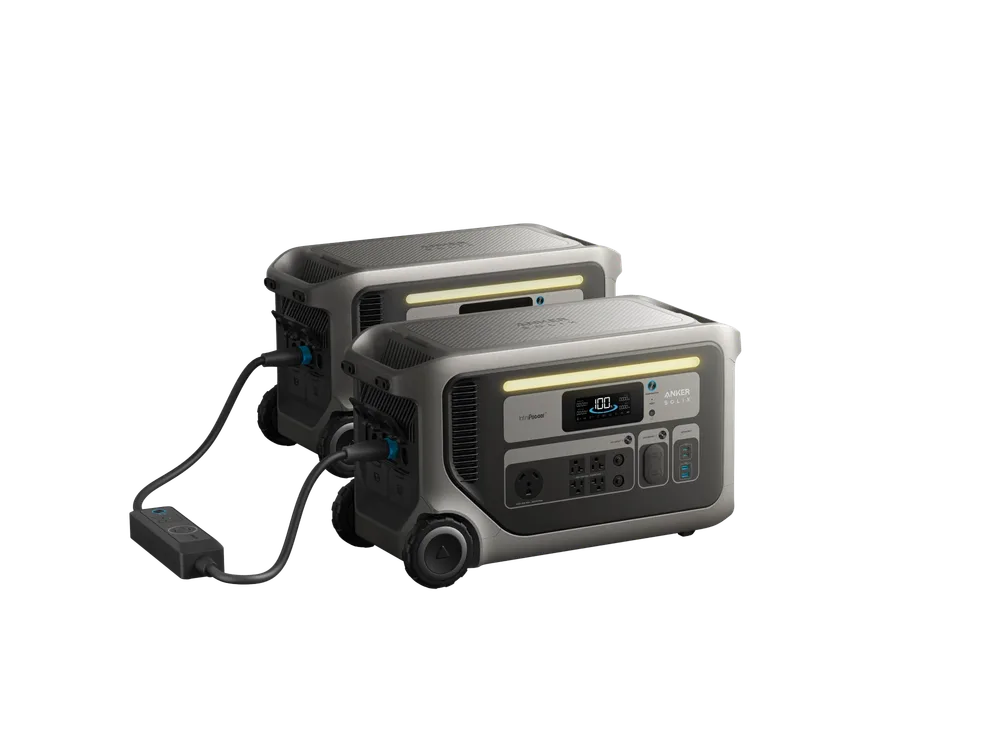
Why it is here: Longest service life — capacity Wh × rated cycles (higher is better)
Who should skip it: Skip it if you have to carry it any distance; this is a leave-it-in-place unit.
Cycle life. A battery is rated for a number of charge cycles before capacity falls to a stated fraction, and the gap between chemistries in this dataset is not marginal: LiFePO4 units are typically rated in the thousands, NMC units around 500. For a station cycled weekly, that is the difference between replacing it in a few years and keeping it for a decade.
Weight. LiFePO4 packs are less energy-dense, so a LiFePO4 unit of a given capacity is generally heavier than an NMC one. If the station will be carried any distance, that trade-off is real — and the watt-hours-per-pound figure on each model page is where it shows up.
Cold behaviour is the second difference: NMC generally discharges better in freezing conditions, though neither chemistry should be charged below freezing.
A cycle figure is only comparable when the depth of discharge and the end-of-life threshold are stated. "3,000 cycles" usually means shallow cycles to 80% capacity retention, not 3,000 full discharges. Where a vendor publishes only a bare number, treat it as a relative signal between models — which is exactly how this ranking uses it.
If the station is a light, occasional top-up tool that will be carried on a bike or a hike, the extra weight may outweigh a cycle life you will never reach. If it will be cycled hard — daily off-grid, a fridge, home backup — the chemistry is usually the first thing to look at.
Vendor-stated cycle ratings for the models in this dataset run into the thousands of cycles. At one cycle a week, that is many years; the practical limit is usually heat and how deeply you discharge it, not the chemistry.
Generally yes, at the same capacity. It is the main trade-off for the longer cycle life, and it matters if you carry the unit rather than wheel it.
LiFePO4 is the more thermally stable chemistry, which is one reason it dominates this category. That is a general property of the chemistry, not something we have measured.