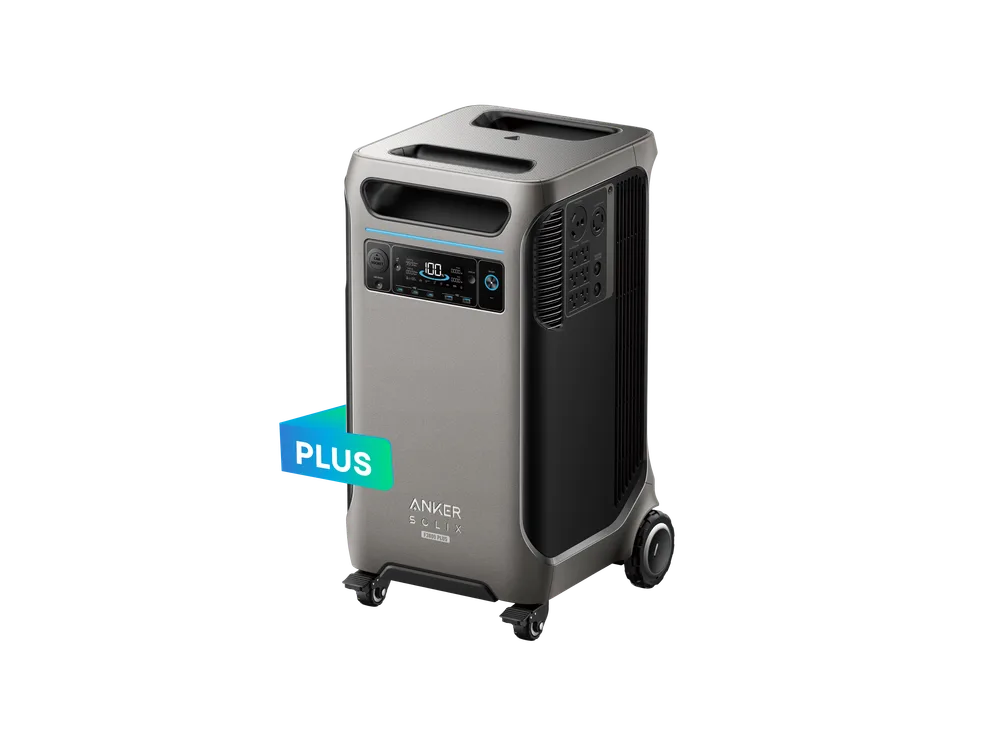
Anker SOLIX F3800 Plus
Top of the ranking on this page, using the criteria below.
3.84 kWh · 6 kW AC · 72.8 lb · $0.62/Wh
Best of · UPS
A UPS keeps equipment alive through the moment the grid fails. In this category that capability is expressed as a switchover time, and it is the number that decides whether a desktop, router or modem reboots during a blip. This list only includes models whose vendor publishes it.
WattPicks does not test power stations, and this page does not claim to. Every specification, price and derived figure is read from the manufacturers’ own product pages; the ranking is computed from that data using the criteria stated above, not from first-hand use.
42 models in the dataset match this page’s scope, and 42 of them publish a list price, which is what the value figures need. Nothing here has been tested by us.
Top of the ranking on this page, using the criteria below.
3.84 kWh · 6 kW AC · 72.8 lb · $0.62/Wh
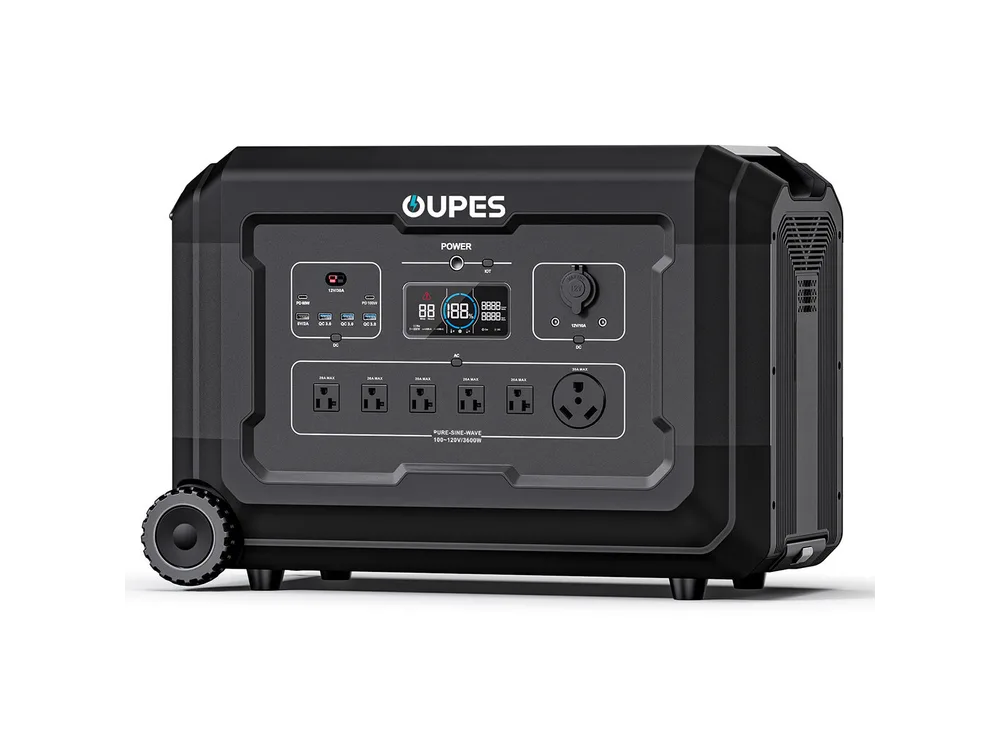
The lowest published list price in this shortlist ($1,199).
3.07 kWh · 3.6 kW AC · 83.3 lb · $0.39/Wh
Every entry carries its trade-offs. They are computed by comparing the model with the others in its own capacity band, so they are statements about this dataset rather than opinions.
Why it is here: Best for home backup — weighted score over switchover time, output-to-capacity ratio and capacity
Who should skip it: Skip it if you have to carry it any distance; this is a leave-it-in-place unit.
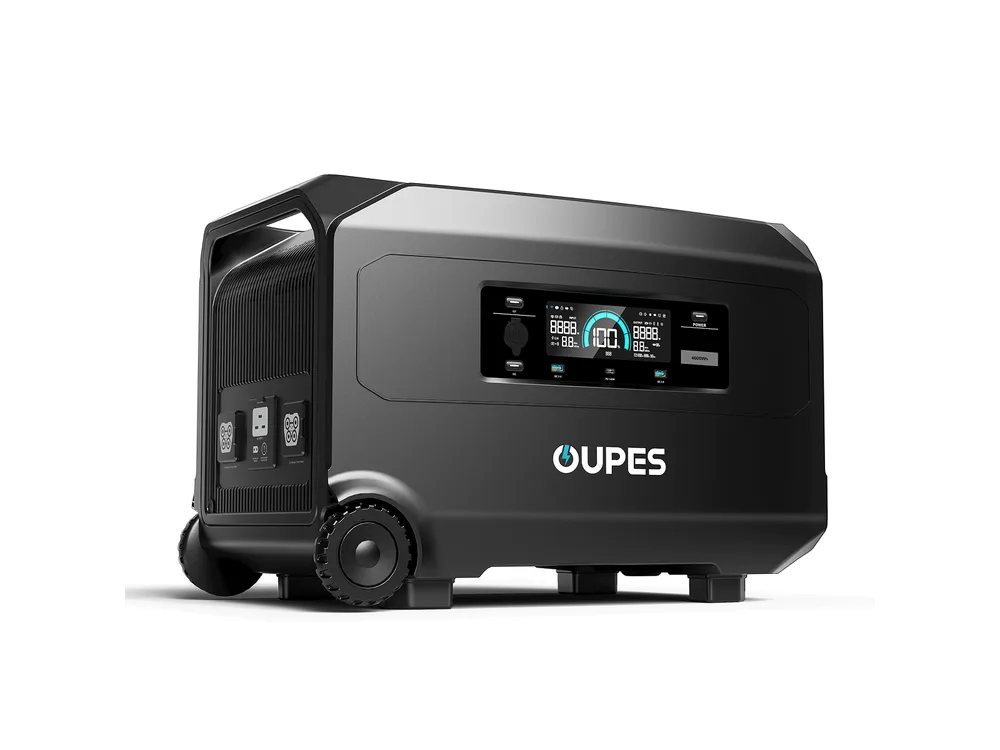
Why it is here: Best for home backup — weighted score over switchover time, output-to-capacity ratio and capacity
Who should skip it: Skip it if you have to carry it any distance; this is a leave-it-in-place unit.
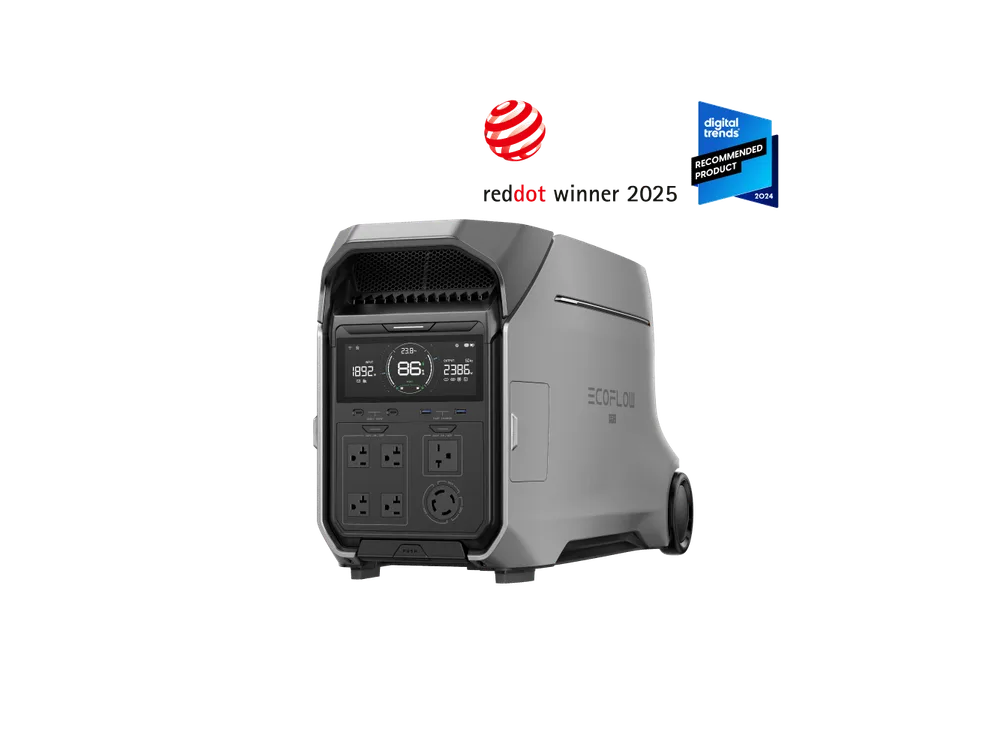
Why it is here: Best for home backup — weighted score over switchover time, output-to-capacity ratio and capacity
Who should skip it: Skip it if you have to carry it any distance; this is a leave-it-in-place unit.
Why it is here: Best for home backup — weighted score over switchover time, output-to-capacity ratio and capacity
Who should skip it: Skip it if you have to carry it any distance; this is a leave-it-in-place unit.
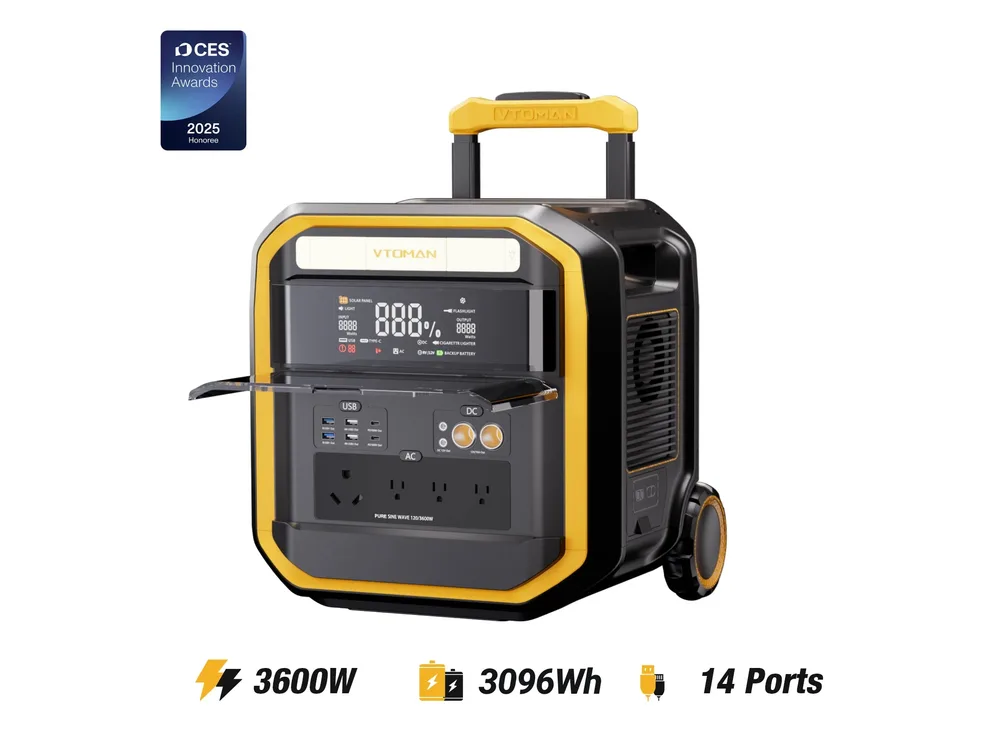
Why it is here: Best for home backup — weighted score over switchover time, output-to-capacity ratio and capacity
Who should skip it: Skip it if you have to carry it any distance; this is a leave-it-in-place unit.
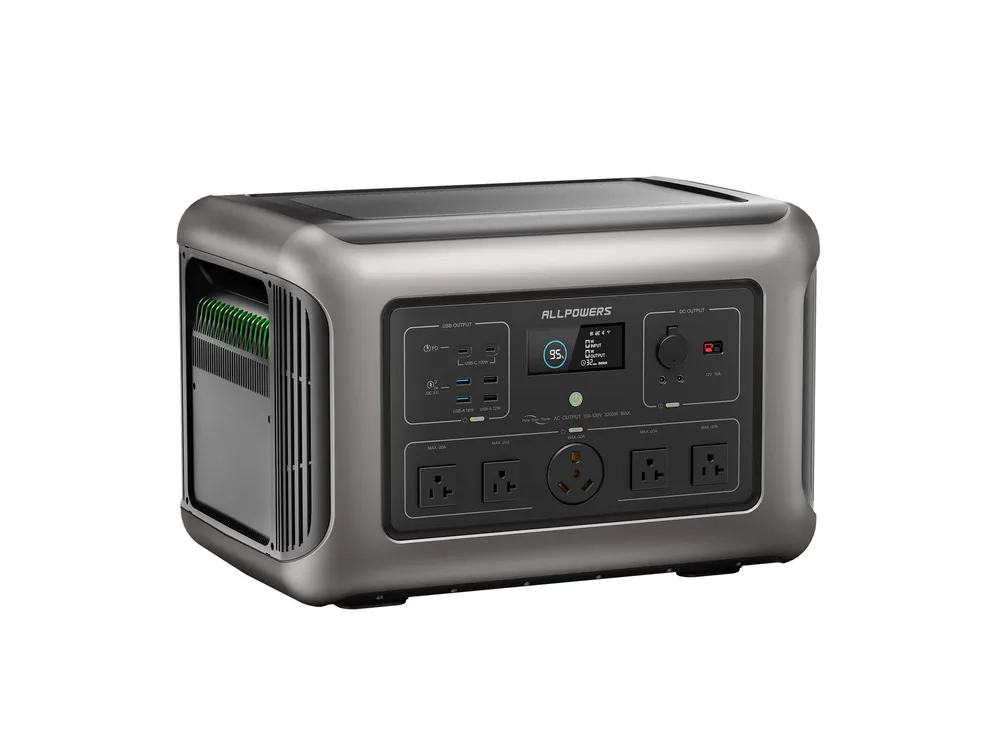
Why it is here: Best for home backup — weighted score over switchover time, output-to-capacity ratio and capacity
Who should skip it: Skip it if you have to carry it any distance; this is a leave-it-in-place unit.
It is the gap between losing mains power and the station supplying AC from its battery. A desktop power supply, a router or a modem rides through a gap of roughly 10–20 ms without noticing; a longer gap is a reboot, which is exactly what a UPS is bought to avoid.
A station marketed as having "UPS mode" but publishing no figure is not necessarily slow — it is simply unverified, which is why those models are not ranked here.
Switchover speed says nothing about runtime. A station with a fast transfer and a small battery keeps your router alive for an evening; a larger one keeps a fridge running for a day. Decide which job you are buying for — the two often need different units.
It also says nothing about how the station behaves under a sustained brownout, or about whether its output is a pure sine wave. Where vendors publish those details they are on the model page; where they do not, the page says so.
Add up the continuous wattage of the equipment you want to keep alive, then decide how many hours you need. A router and modem together are usually under 30 W, so a mid-size station covers a very long outage; a desktop under load can be ten times that.
Under about 20 ms is the figure that keeps typical computer equipment running without a reboot. Faster is better, and units that publish no figure cannot be assessed.
Many can supply power continuously while the grid is up and take over when it fails, but the transfer gap varies. This page only ranks models where the vendor publishes that figure.
No. It keeps specific equipment alive. Whole-home backup needs a transfer switch and much more capacity, and heating loads are usually out of reach for any battery.