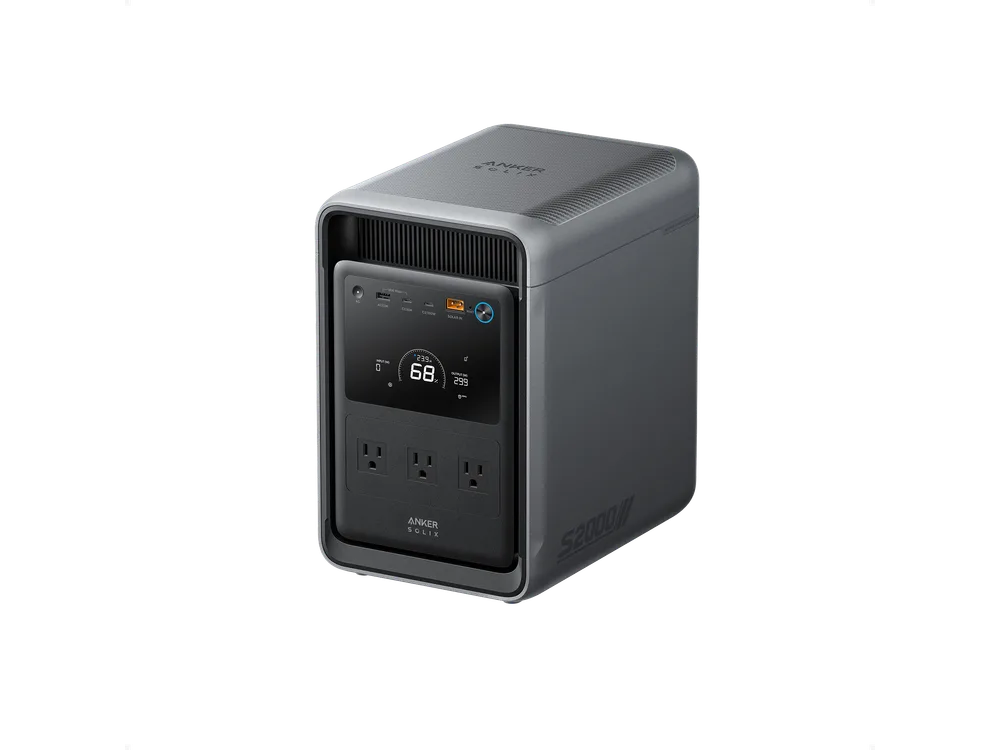
Anker SOLIX S2000
Top of the ranking on this page, using the criteria below.
2.01 kWh · 1.5 kW AC · 35.7 lb · $0.34/Wh
Best of · Overlanding
Overlanding asks a power station to live in a vehicle, recharge away from a wall socket, and survive years of daily cycling. This list ranks the models our dataset places under 2,500 Wh on portability, solar recharge, rated battery life and value — and names what you give up with each.
WattPicks does not test power stations, and this page does not claim to. Every specification, price and derived figure is read from the manufacturers’ own product pages; the ranking is computed from that data using the criteria stated above, not from first-hand use.
85 models in the dataset match this page’s scope, and 82 of them publish a list price, which is what the value figures need. Nothing here has been tested by us.
Top of the ranking on this page, using the criteria below.
2.01 kWh · 1.5 kW AC · 35.7 lb · $0.34/Wh
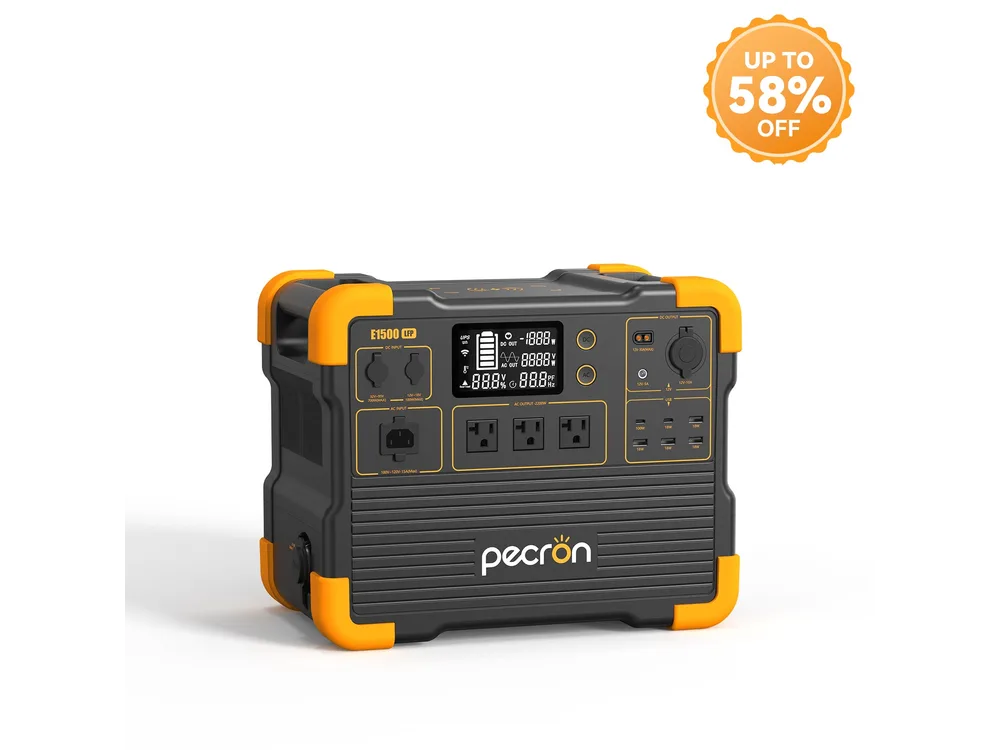
The lowest published list price in this shortlist ($549).
1.54 kWh · 2.2 kW AC · 38.4 lb · $0.36/Wh
Every entry carries its trade-offs. They are computed by comparing the model with the others in its own capacity band, so they are statements about this dataset rather than opinions.
Why it is here: WattPicks balanced score — average percentile across Most portable (Wh per pound), Highest solar input, Best value (cost per watt-hour), Longest service life (higher is better)
Who should skip it: Skip it if you want the cheapest watt-hours in this size; the value ranking has cheaper options.
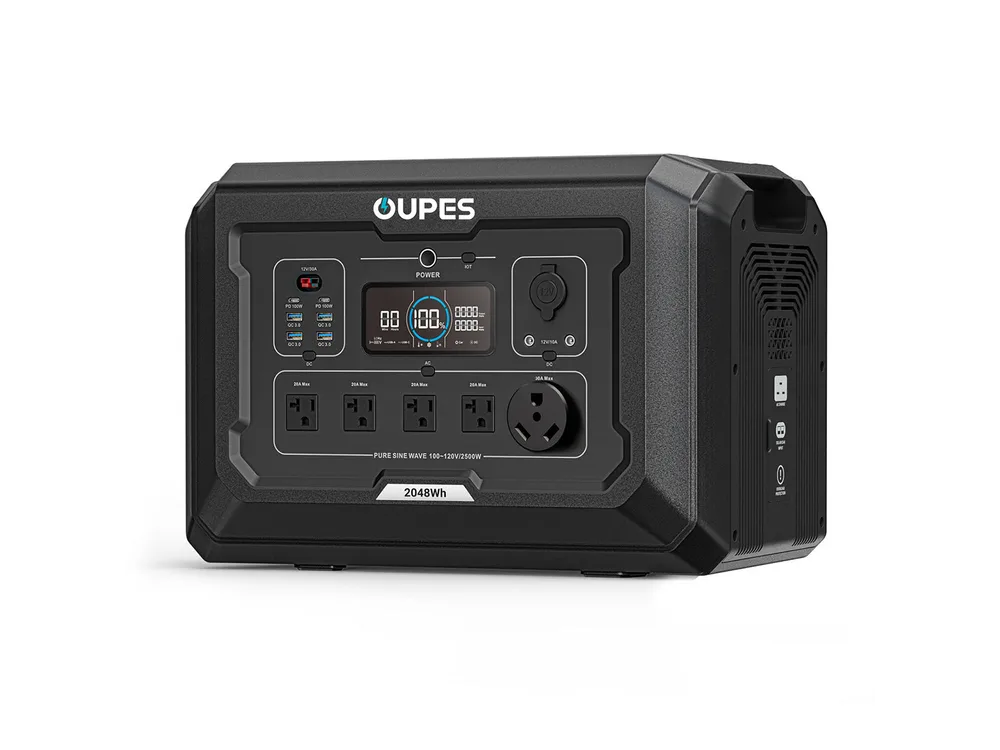
Why it is here: WattPicks balanced score — average percentile across Most portable (Wh per pound), Highest solar input, Best value (cost per watt-hour), Longest service life (higher is better)
Who should skip it: Skip it if you have to carry it any distance; this is a leave-it-in-place unit.
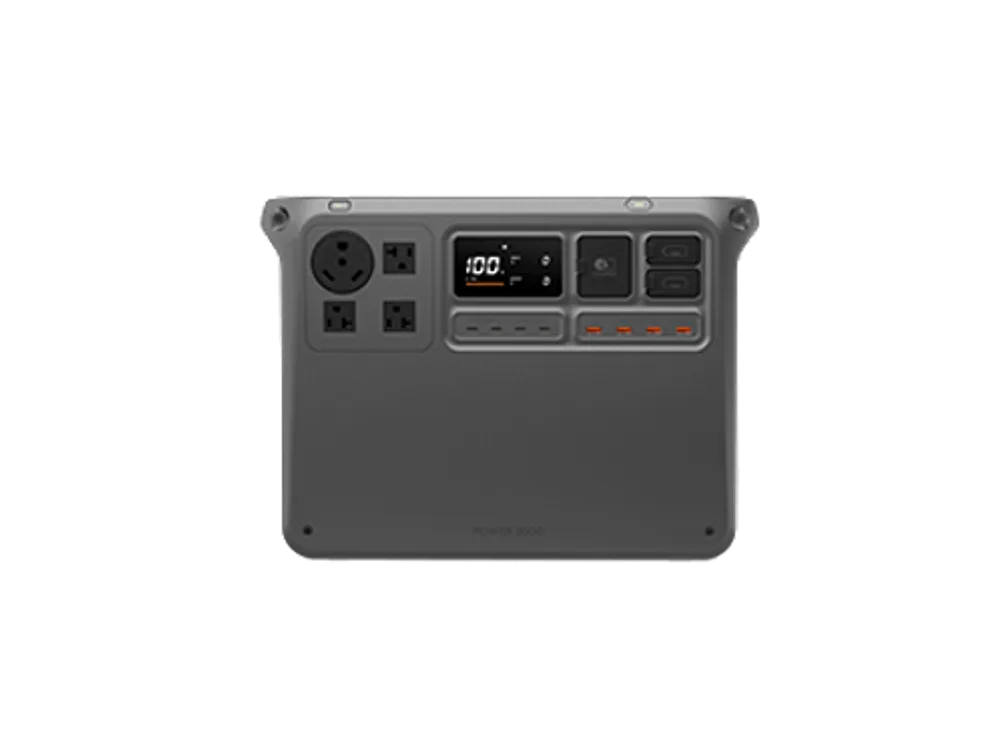
Why it is here: WattPicks balanced score — average percentile across Most portable (Wh per pound), Highest solar input, Best value (cost per watt-hour), Longest service life (higher is better)
Who should skip it: Skip it if you have to carry it any distance; this is a leave-it-in-place unit.
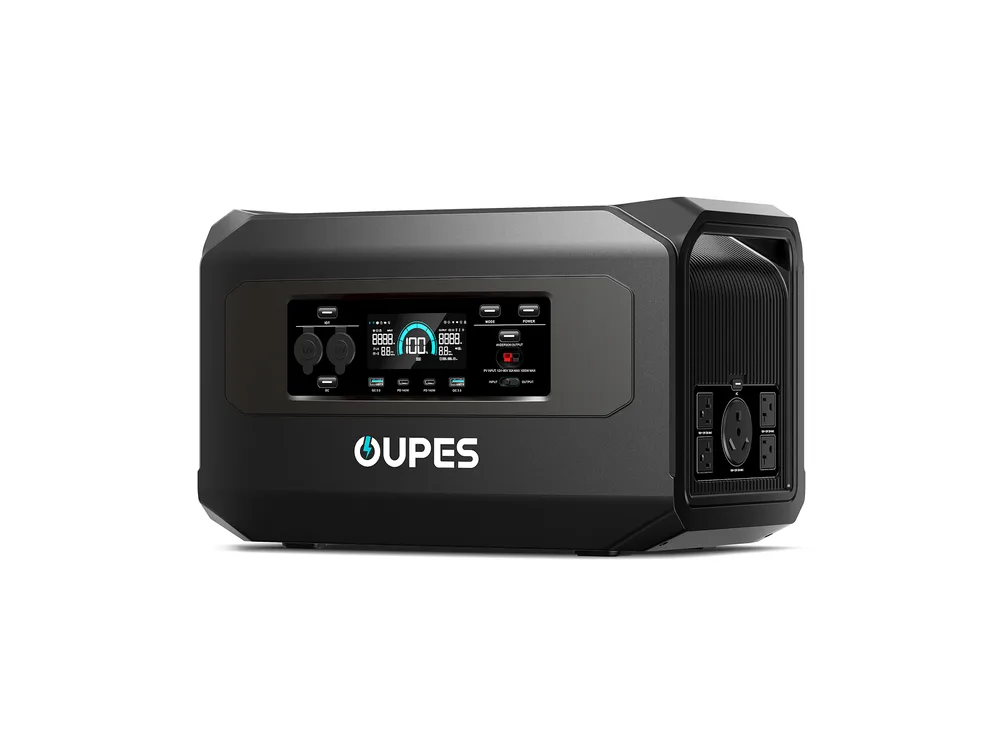
Why it is here: WattPicks balanced score — average percentile across Most portable (Wh per pound), Highest solar input, Best value (cost per watt-hour), Longest service life (higher is better)
Who should skip it: Skip it if you have to carry it any distance; this is a leave-it-in-place unit.
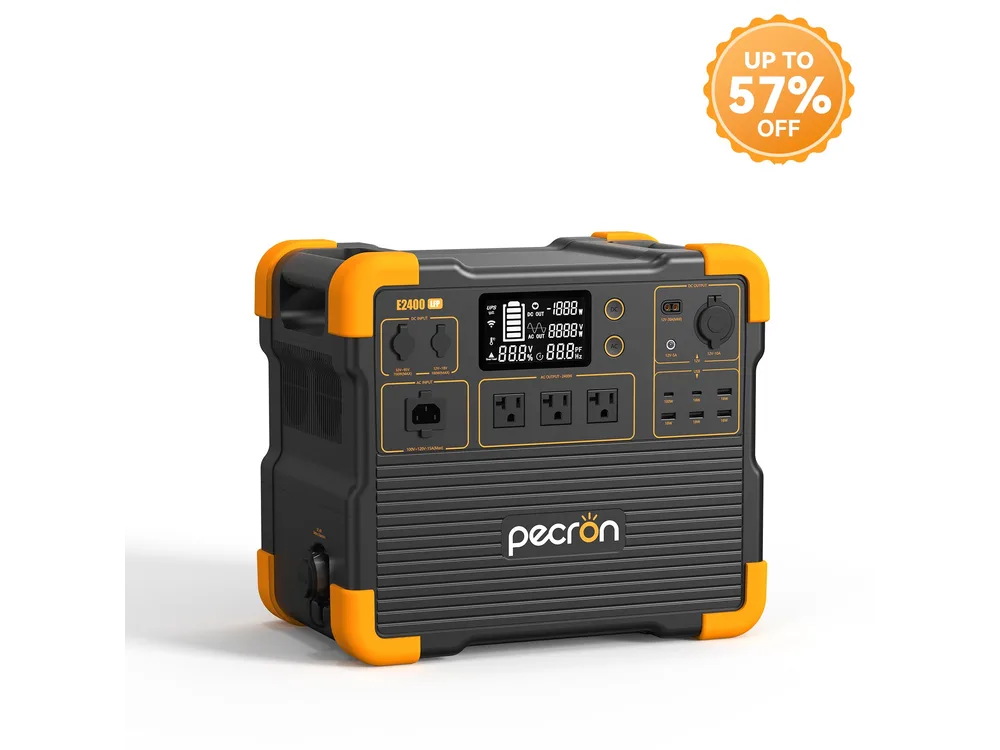
Why it is here: WattPicks balanced score — average percentile across Most portable (Wh per pound), Highest solar input, Best value (cost per watt-hour), Longest service life (higher is better)
Who should skip it: Skip it if you have to carry it any distance; this is a leave-it-in-place unit.
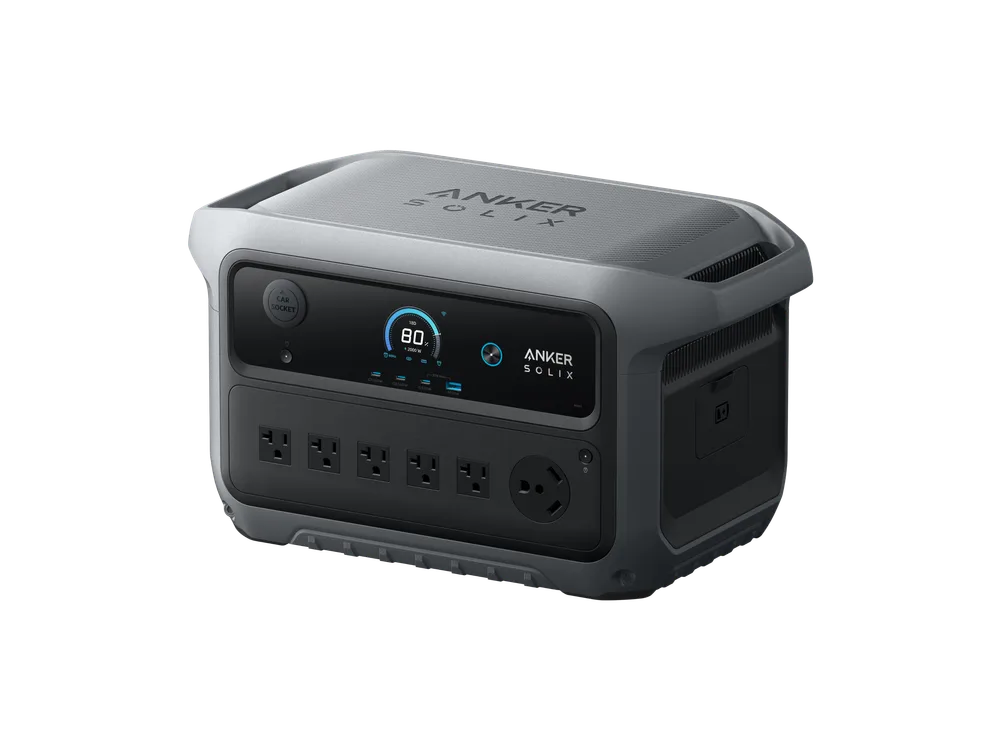
Why it is here: WattPicks balanced score — average percentile across Most portable (Wh per pound), Highest solar input, Best value (cost per watt-hour), Longest service life (higher is better)
Who should skip it: Skip it if you have to carry it any distance; this is a leave-it-in-place unit.
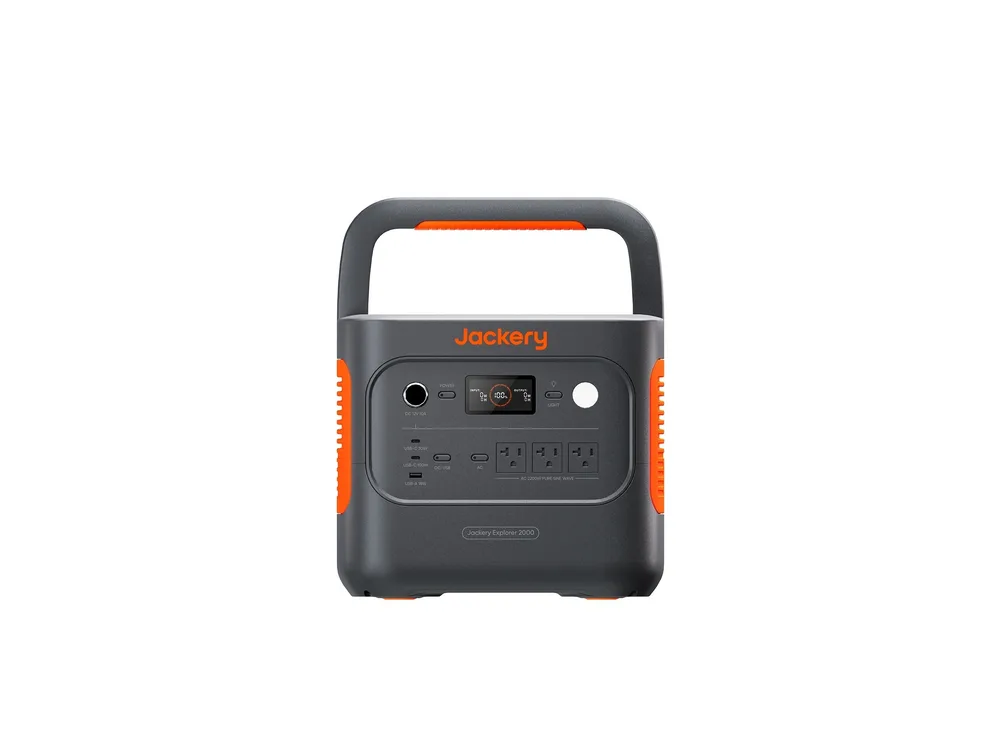
Why it is here: WattPicks balanced score — average percentile across Most portable (Wh per pound), Highest solar input, Best value (cost per watt-hour), Longest service life (higher is better)
Who should skip it: Skip it if you want the cheapest watt-hours in this size; the value ranking has cheaper options.
Why it is here: WattPicks balanced score — average percentile across Most portable (Wh per pound), Highest solar input, Best value (cost per watt-hour), Longest service life (higher is better)
Who should skip it: Skip it if you want the cheapest watt-hours in this size; the value ranking has cheaper options.
The overlanding load is a vehicle fridge, camp lighting, phones and cameras, a laptop for navigation or work, and sometimes a compressor or a diesel heater. That is a modest continuous draw with one or two surge loads, so the decision is driven less by headline capacity than by whether the unit can be recharged without a wall socket.
A compressor fridge is the load that dominates: it cycles rather than running constantly, so its daily energy depends on ambient temperature and how often it is opened. Size for a hot day, not a mild one.
Off-grid, the maximum solar input is the specification that decides how quickly a station refills. A large battery with a small solar ceiling stays flat; a smaller one with a generous input can cycle every day. Compare the two as a ratio, which is what the solar-input ranking does.
A vehicle’s 12V or alternator input is the other refill path and is usually a slow top-up rather than a fast charge. Where a unit accepts it, that is a genuine advantage for a rig that drives most days — check the input options on the model page.
A vehicle has a payload and a finite amount of space. Watt-hours per pound is the comparable portability figure, and it is published in the data behind this page. Compare within a capacity band: small units always score better on it because the enclosure, inverter and cabling do not shrink in proportion to capacity.
Durability is the other side of the purchase. Overlanding cycles the battery hard, so vendor-stated cycle life, chemistry and warranty are worth as much as a few hundred extra watt-hours.
Everything on this page comes from the manufacturers’ own product pages. We hold no measured figures: no real-world output, no measured recharge curves, no drop or dust testing. Where a vendor does not publish a field, the model page shows it as missing rather than estimating it, and the trade-offs above say so.
Start from the loads you run between charges — typically a fridge, lights, phones and a laptop. For most vehicle builds that lands under 1,500 Wh; the station recharges from solar or the alternator while you drive, so recharge speed matters as much as capacity.
Many models accept a 12V or alternator input, usually at a modest rate that tops the battery up over a day of driving rather than recharging it quickly. Check the input options and the maximum solar input on the model page before you buy panels.
If the station will be cycled hard and kept for years, usually yes: vendor-stated cycle life in this dataset runs into the thousands for LiFePO4 and 500–2,500 for the NMC units. It is generally heavier at the same capacity, which is the trade-off a vehicle build has to weigh.
A fridge that draws 60 W while running, cycling about a third of the time, averages around 20 W — roughly 480 Wh a day. A 1,000 Wh station covers about a day and a half of that before losses, less in a hot vehicle. Check the surge rating starts the compressor.