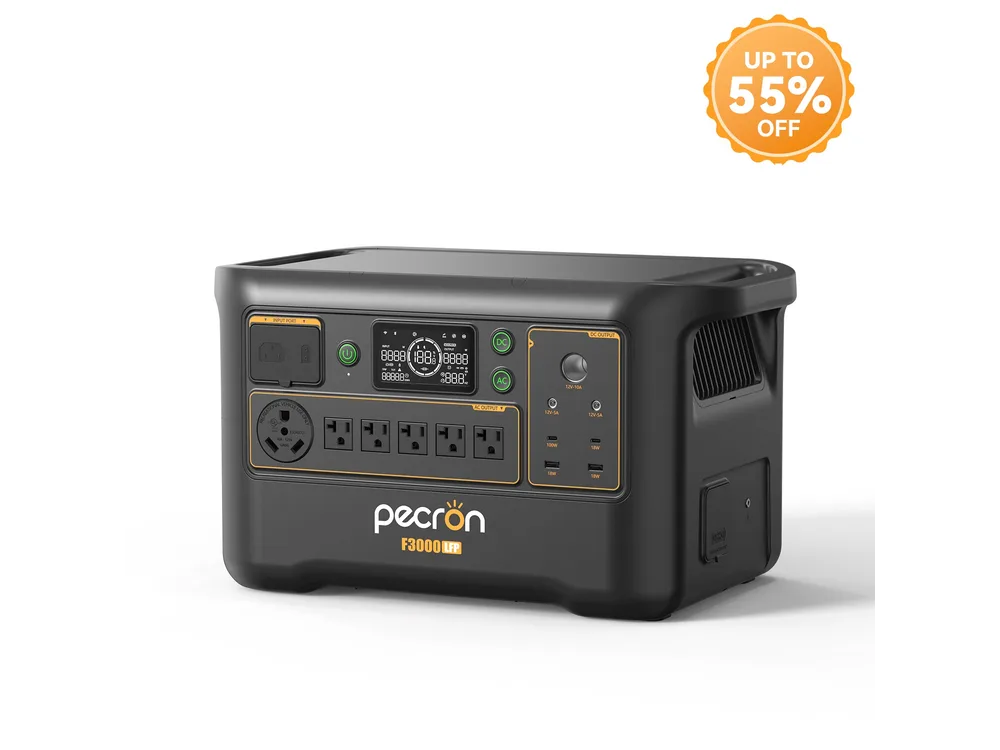
PECRON F3000LFP
Top of the ranking on this page, using the criteria below.
3.07 kWh · 3.6 kW AC · 63.3 lb · $0.29/Wh
Best of · Under $1,000
$1,000 is the most common ceiling in this category, and it is a sensible one: it reaches the 1,000–2,000 Wh range where a fridge becomes realistic, without paying for the largest systems. This list ranks the models our dataset prices under that line, on value, output per dollar, portability and warranty.
WattPicks does not test power stations, and this page does not claim to. Every specification, price and derived figure is read from the manufacturers’ own product pages; the ranking is computed from that data using the criteria stated above, not from first-hand use.
77 models in the dataset match this page’s scope, and 77 of them publish a list price, which is what the value figures need. Nothing here has been tested by us.
Top of the ranking on this page, using the criteria below.
3.07 kWh · 3.6 kW AC · 63.3 lb · $0.29/Wh
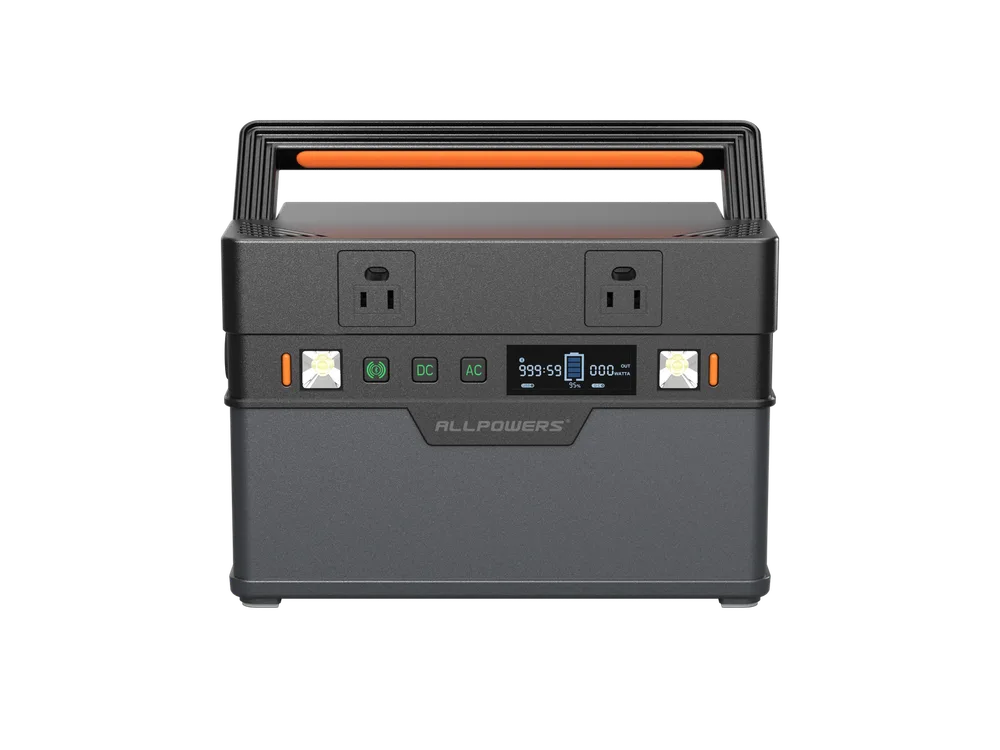
The lowest published list price in this shortlist ($179).
606 Wh · 700 W AC · 11.7 lb · $0.30/Wh
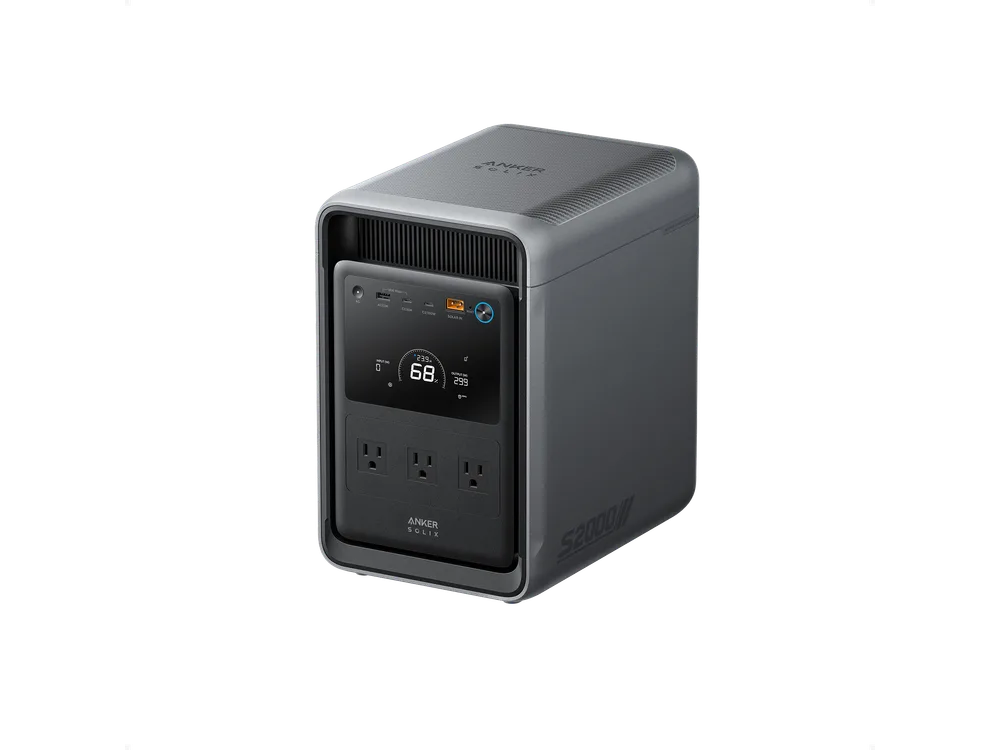
56.3 Wh per pound — the best in this shortlist.
2.01 kWh · 1.5 kW AC · 35.7 lb · $0.34/Wh
Every entry carries its trade-offs. They are computed by comparing the model with the others in its own capacity band, so they are statements about this dataset rather than opinions.
Why it is here: Lowest cost per watt-hour in this shortlist.
Who should skip it: Skip it if you have to carry it any distance; this is a leave-it-in-place unit.
Why it is here: Lowest cost per watt-hour in this shortlist.
Who should skip it: Skip it if you want the cheapest watt-hours in this size; the value ranking has cheaper options.
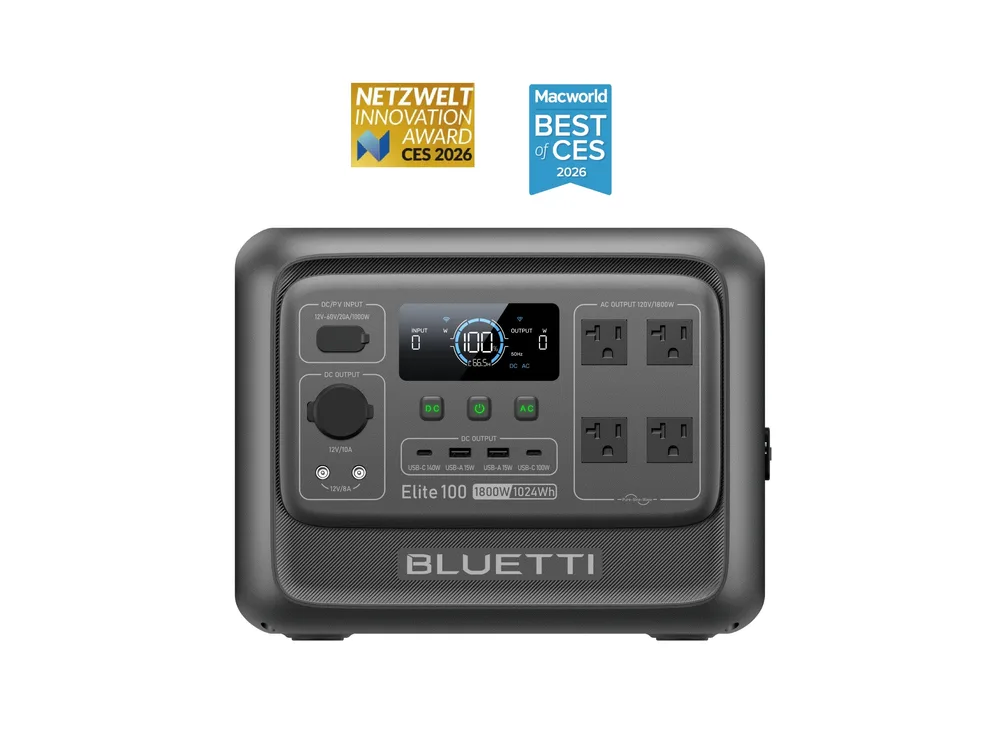
Why it is here: Lowest cost per watt-hour in this shortlist.
Who should skip it: Skip it if you want the cheapest watt-hours in this size; the value ranking has cheaper options.
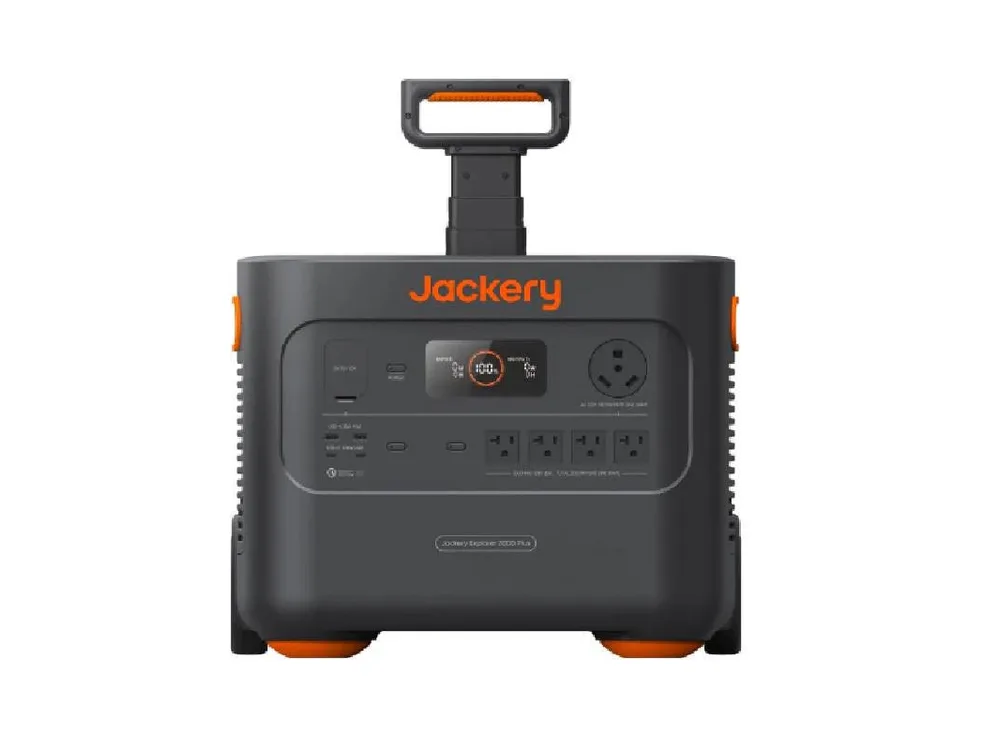
Why it is here: Lowest cost per watt-hour in this shortlist.
Who should skip it: Skip it if you have to carry it any distance; this is a leave-it-in-place unit.
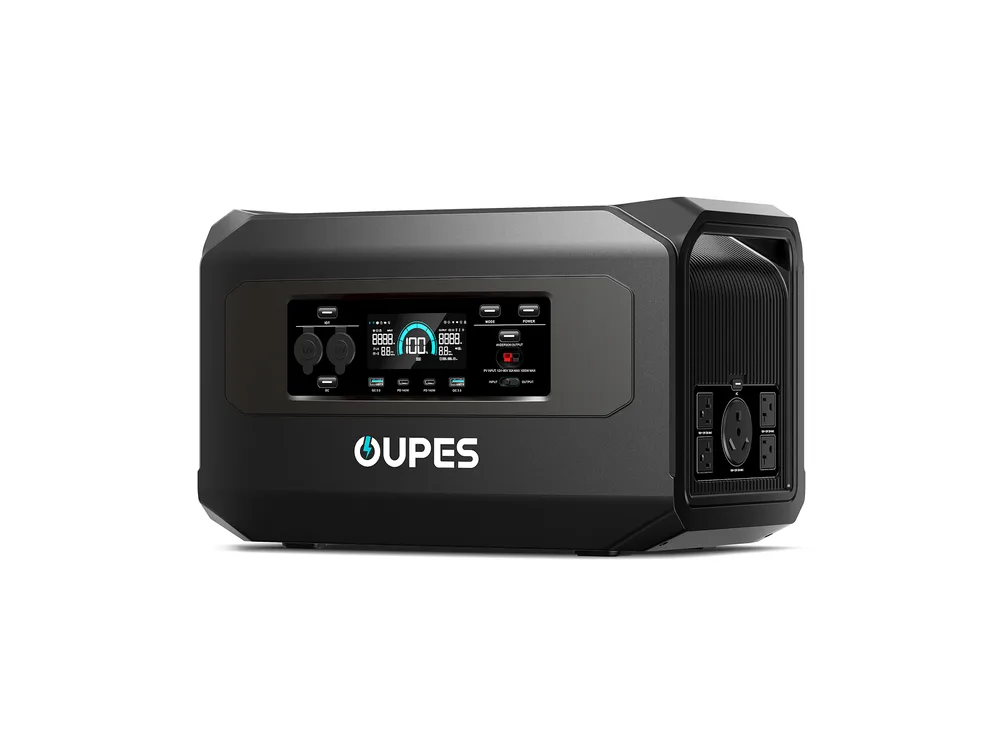
Why it is here: Lowest cost per watt-hour in this shortlist.
Who should skip it: Skip it if you have to carry it any distance; this is a leave-it-in-place unit.
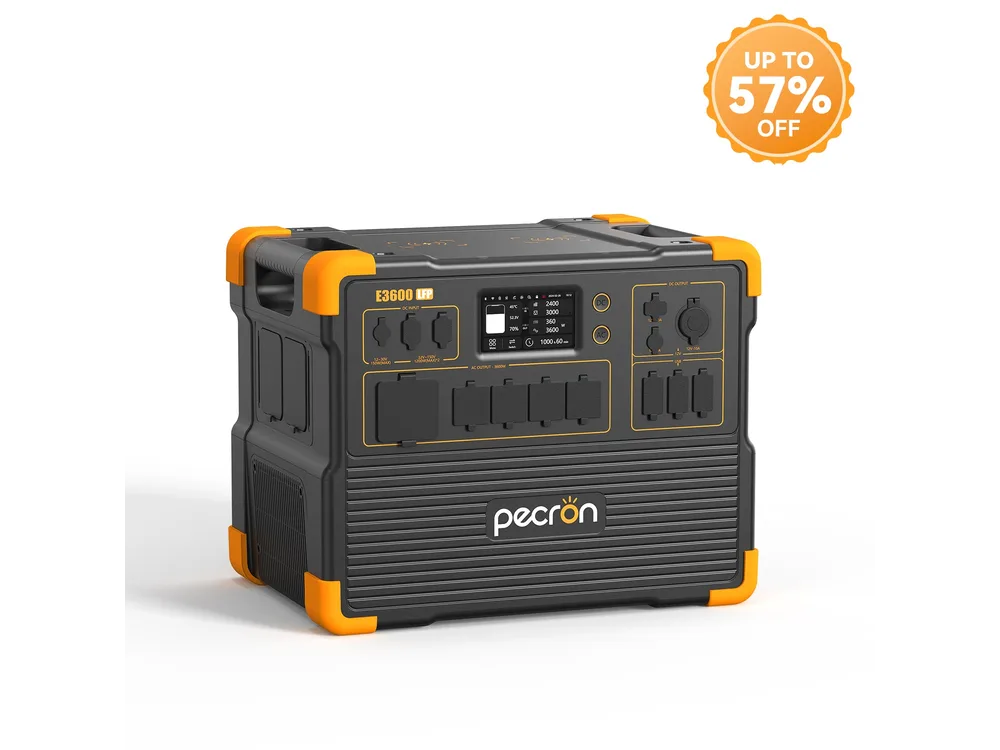
Why it is here: Lowest cost per watt-hour in this shortlist.
Who should skip it: Skip it if you have to carry it any distance; this is a leave-it-in-place unit.
Why it is here: Lowest cost per watt-hour in this shortlist.
Who should skip it: Skip it if you want the cheapest watt-hours in this size; the value ranking has cheaper options.
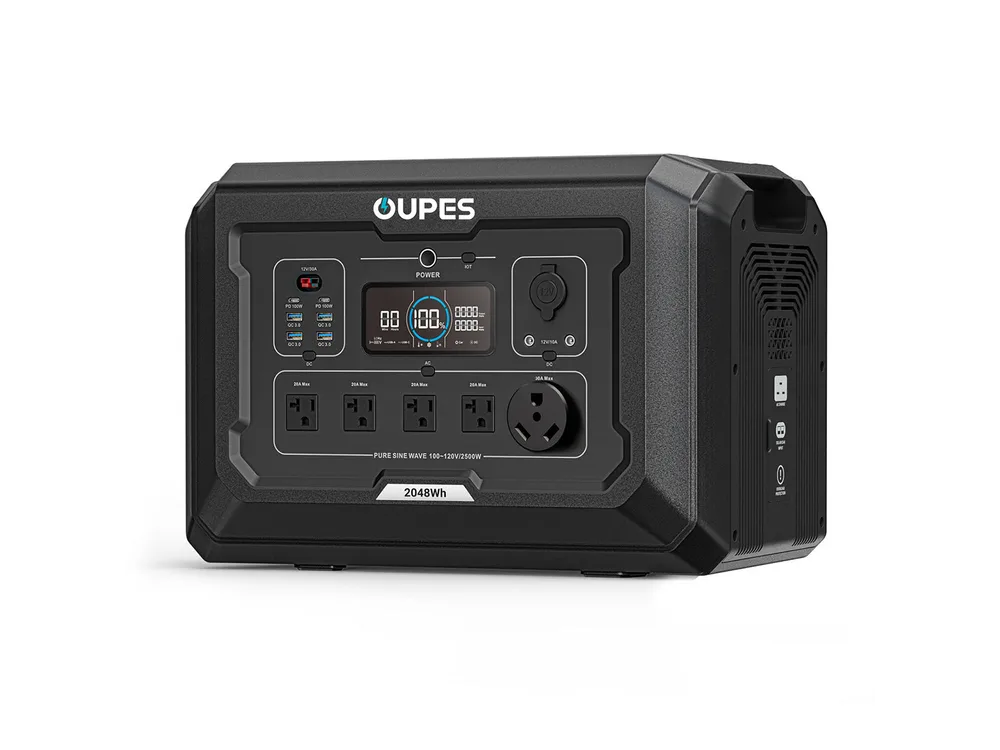
Why it is here: Lowest cost per watt-hour in this shortlist.
Who should skip it: Skip it if you have to carry it any distance; this is a leave-it-in-place unit.
In our dataset this budget reaches the mainstream middle: enough capacity for a fridge overnight, a laptop for a working week, and a router and modem through a long outage. It does not reach the largest expandable systems, and it rarely buys the best watt-hours per pound — the compact premium units sit above it.
The useful question is not "what is the biggest battery under $1,000" but "what can I actually run with it". That answer depends on output and surge as much as capacity.
Two units at the same price can differ sharply in continuous and surge output. A model with a smaller battery and a stronger inverter starts a fridge compressor that a larger, weaker unit cannot. If your loads have motors — fridges, pumps, fans — check the surge rating before the capacity.
Cost per watt-hour generally improves as capacity grows, so a bigger unit at the same budget is often better value per stored watt-hour. It is also heavier and slower to recharge. That trade-off is the real decision at this price point, and the trade-offs on each entry above spell out which side each model falls on.
In this dataset the relationship between price and capability is loose. Some inexpensive units publish LiFePO4 chemistry and long cycle ratings; some expensive ones publish neither. Because every figure here comes from the vendor’s own page, the specification table — not the price — is what to compare.
Usually yes, for the essentials: fridge, freezer, internet, lights, phones and a CPAP. It is not enough for heating loads or a whole-home transfer, and it will not cover a multi-day outage without a way to recharge.
Every model priced under $1,000 is eligible. If one is missing from the shortlist it is because it ranks below the top of the page on this composite, or because it does not publish the fields the ranking needs.
If you will run a fridge or back up a house, spend up to the budget on capacity. If you are topping up phones and a laptop, the extra capacity is weight you will carry and never use.