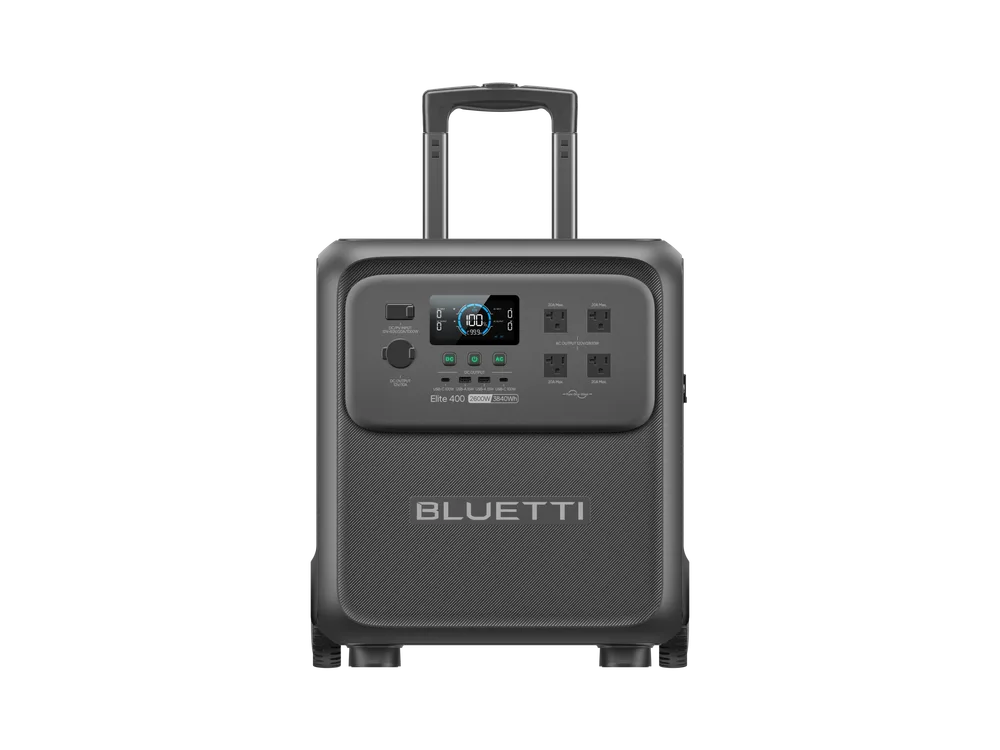
BLUETTI Elite 400
Top of the ranking on this page, using the criteria below.
3.84 kWh · 2.6 kW AC · 86.0 lb · $0.34/Wh
Best of · CPAP and medical
A CPAP is an easy load to back up — a modest, steady draw over a predictable number of hours — which makes it one of the few cases where the arithmetic really does settle the purchase. This page does the arithmetic, then shortlists the models that fit it.
WattPicks does not test power stations, and this page does not claim to. Every specification, price and derived figure is read from the manufacturers’ own product pages; the ranking is computed from that data using the criteria stated above, not from first-hand use.
81 models in the dataset match this page’s scope, and 78 of them publish a list price, which is what the value figures need. Nothing here has been tested by us.
Top of the ranking on this page, using the criteria below.
3.84 kWh · 2.6 kW AC · 86.0 lb · $0.34/Wh
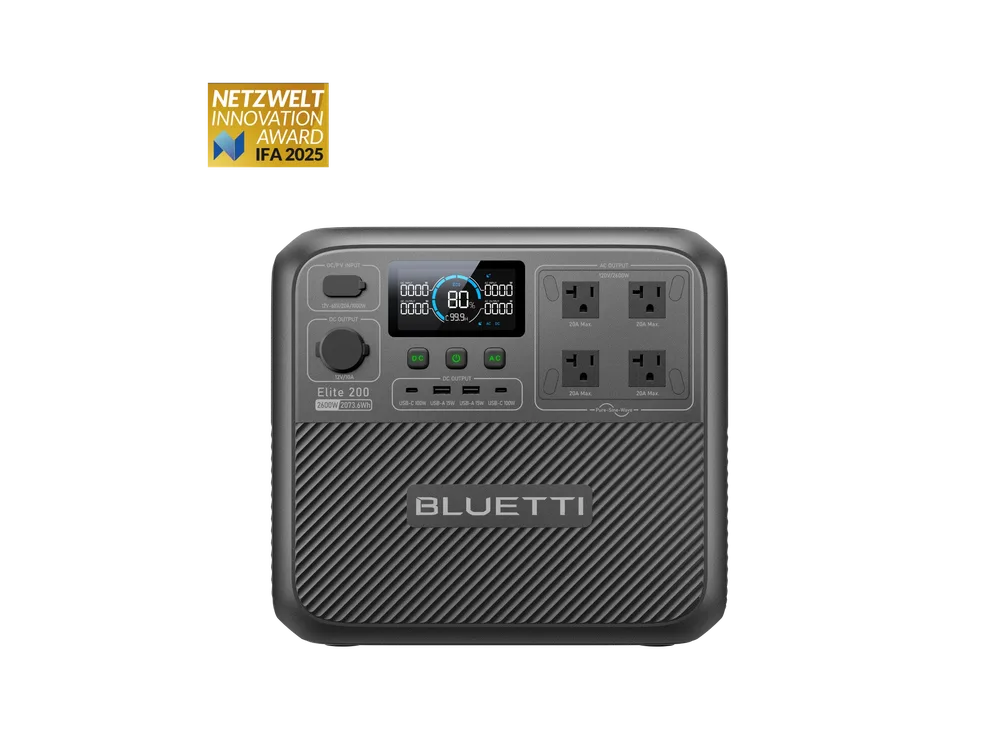
The lowest published list price in this shortlist ($849).
2.07 kWh · 2.6 kW AC · 53.4 lb · $0.41/Wh
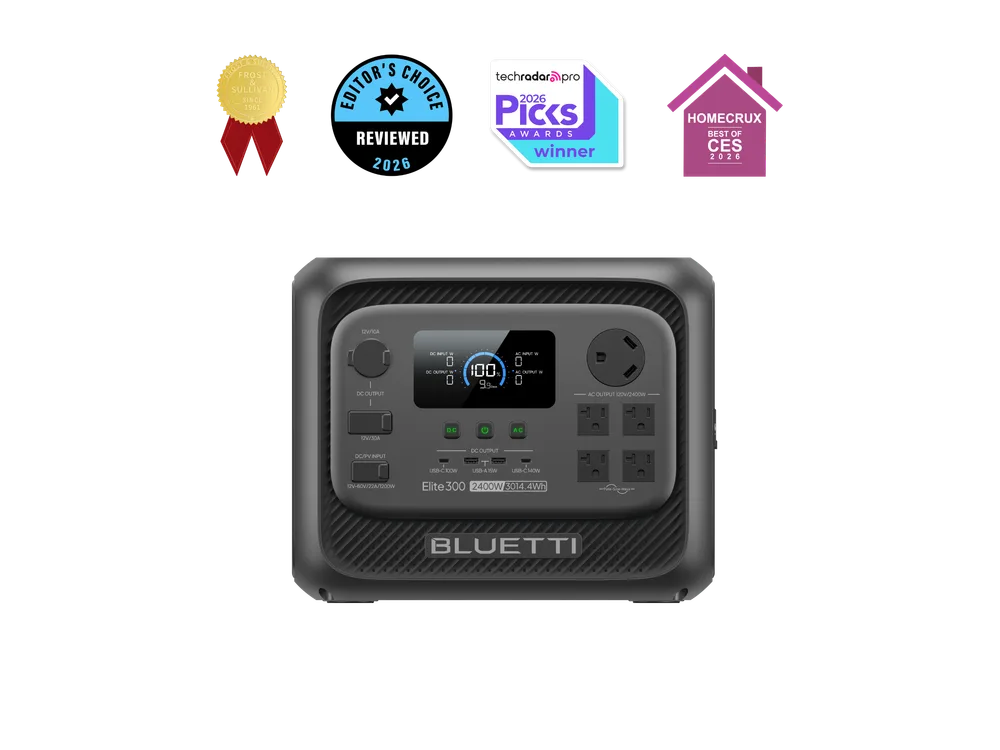
52.0 Wh per pound — the best in this shortlist.
3.01 kWh · 2.4 kW AC · 58.0 lb · $0.36/Wh
Every entry carries its trade-offs. They are computed by comparing the model with the others in its own capacity band, so they are statements about this dataset rather than opinions.
Why it is here: Lowest cost per watt-hour in this shortlist.
Who should skip it: Skip it if you have to carry it any distance; this is a leave-it-in-place unit.
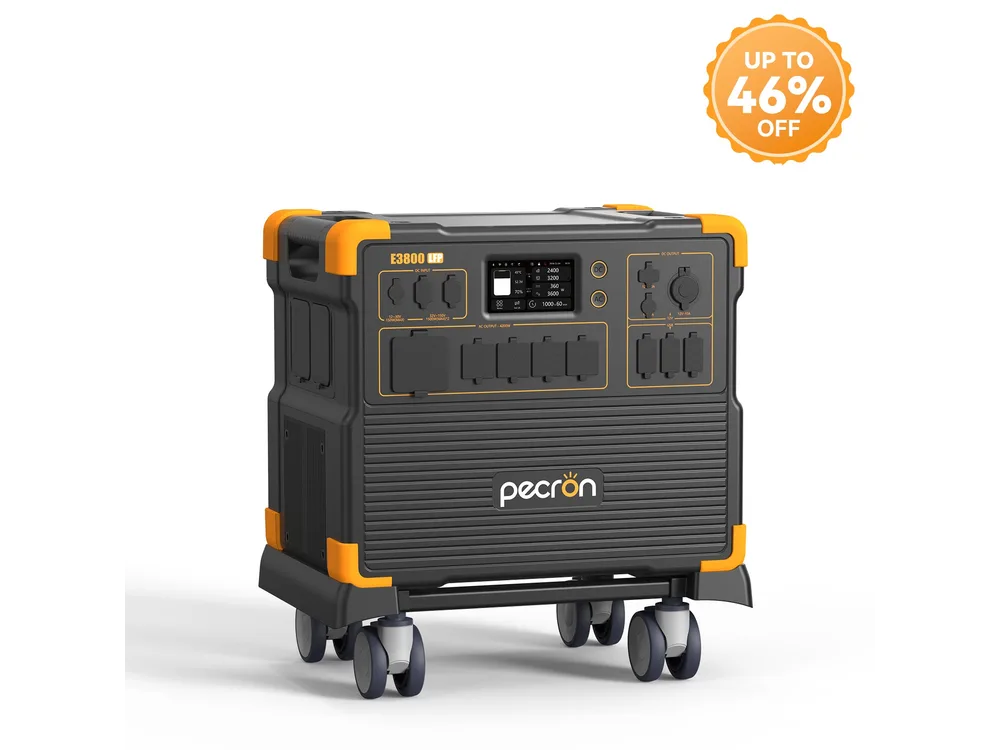
Why it is here: Lowest cost per watt-hour in this shortlist.
Who should skip it: Skip it if you have to carry it any distance; this is a leave-it-in-place unit.
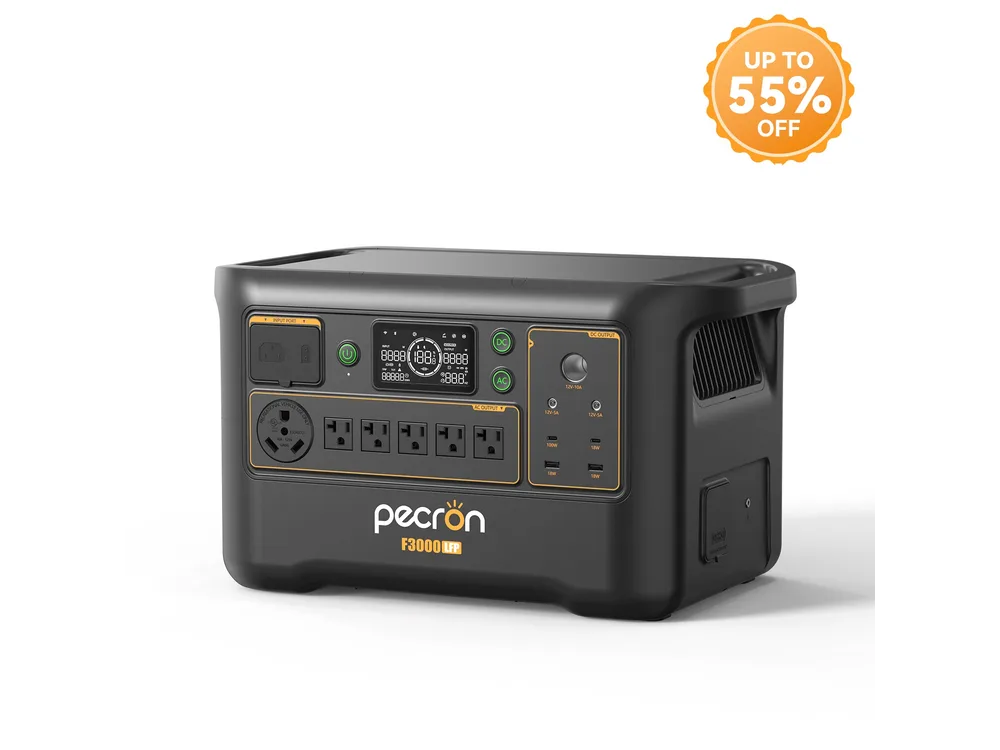
Why it is here: Lowest cost per watt-hour in this shortlist.
Who should skip it: Skip it if you have to carry it any distance; this is a leave-it-in-place unit.
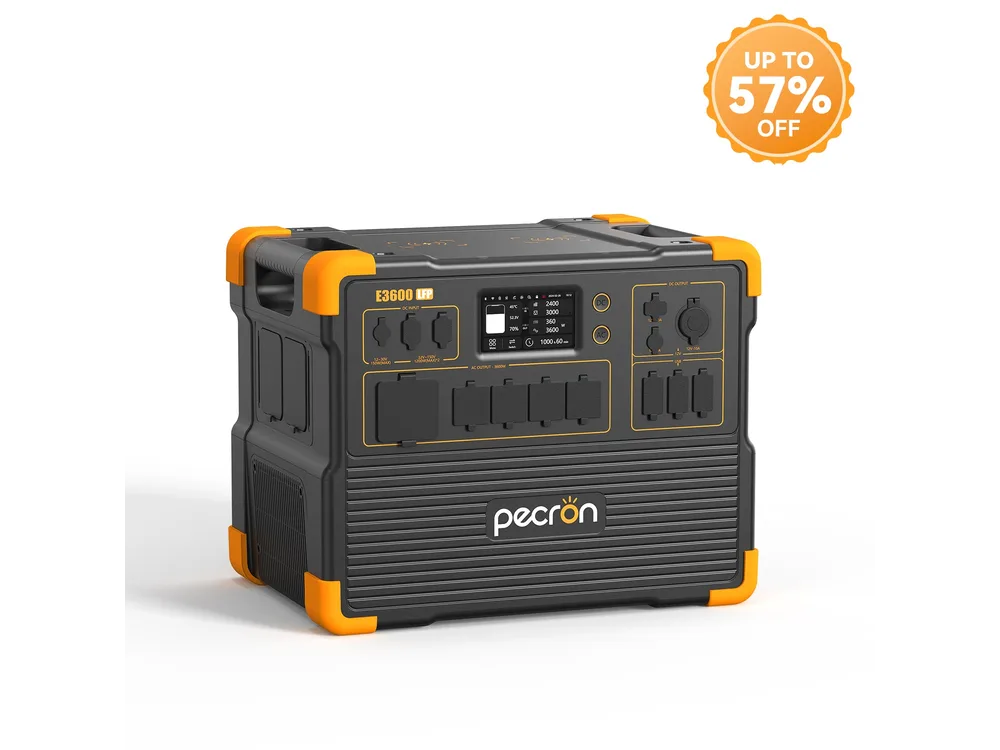
Why it is here: Lowest cost per watt-hour in this shortlist.
Who should skip it: Skip it if you have to carry it any distance; this is a leave-it-in-place unit.
Why it is here: Lowest cost per watt-hour in this shortlist.
Who should skip it: Skip it if you have to carry it any distance; this is a leave-it-in-place unit.
Why it is here: Lowest cost per watt-hour in this shortlist.
Who should skip it: Skip it if you have to carry it any distance; this is a leave-it-in-place unit.
A CPAP without a humidifier typically draws around 30–40 W. Over eight hours that is roughly 240–320 Wh, and with inverter losses call it 350–400 Wh from the battery. That is one night on a 500 Wh station and two nights or more on a 1,000 Wh one.
The heated humidifier is what changes the answer. Heating is the most expensive thing a battery can do, and a humidifier running all night can multiply the draw several times over. If you use one, measure your machine’s actual consumption before sizing — or plan to run the humidifier off mains and the blower off the battery.
Most power stations are silent. The ones that are not publish a noise figure, usually in the 30–50 dB range, and a unit sitting beside a bed is exactly where that number is audible. Where a vendor publishes no noise figure, the trade-offs on the entry above say so rather than guessing.
If the concern is a power cut at 2 a.m. rather than camping, the transfer matters as much as the capacity. A station that publishes a switchover time under about 20 ms will keep the machine running through the transition; one that publishes none may also work, but it is unverified. Filter the list for models with a published figure if that is your scenario.
It is not medical advice, and no manufacturer publishes a "CPAP compatible" specification we could rank on. What is ranked here is energy arithmetic and published electrical data. If your machine has specific power requirements, or you need backup for a life-sustaining device, confirm them with the device manufacturer and consider a purpose-built medical battery.
A CPAP without a humidifier draws roughly 30–40 W, so about 240–320 Wh over eight hours. A 500 Wh station covers one night with margin; a 1,000 Wh station covers two or more.
Sometimes, but the heating element can multiply the draw several times over. Check your machine’s actual consumption rather than assuming, and consider running the humidifier from mains power where possible.
If the goal is uninterrupted sleep through an outage, a published switchover time under about 20 ms means the machine will not restart mid-night. Models without a published figure are unverified for that.
Roughly two to three nights without a humidifier, allowing for inverter losses and a little headroom. Recharge between nights, or add a second battery before an extended outage.