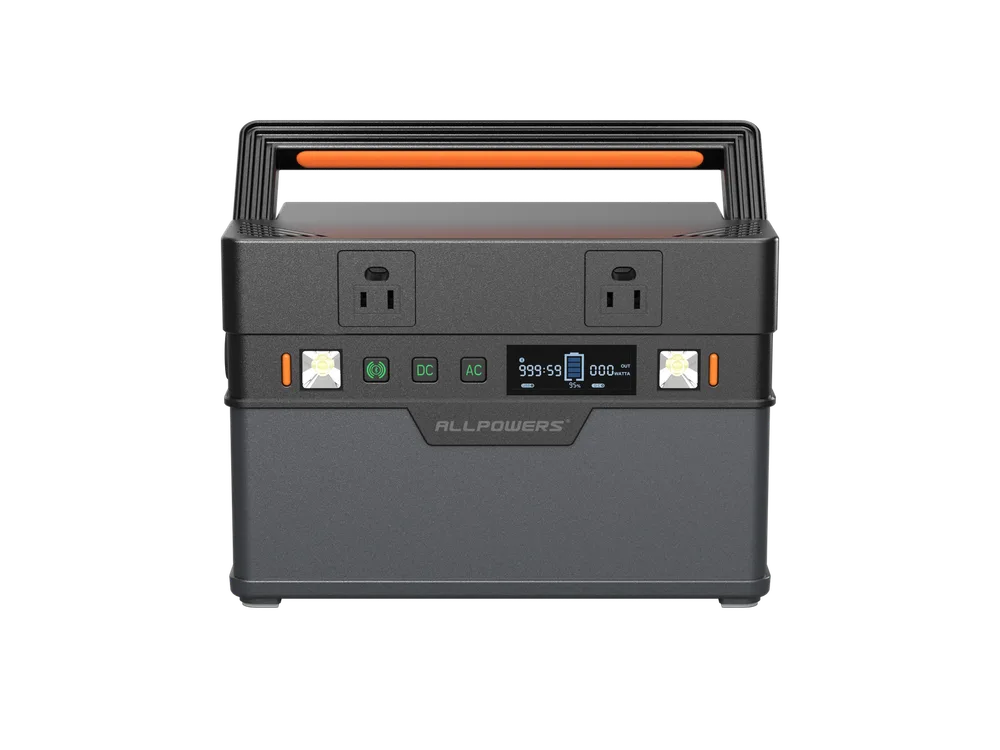
allpowers S700
Top of the ranking on this page, using the criteria below.
606 Wh · 700 W AC · 11.7 lb · $0.30/Wh
Best of · 500Wh class
The 500Wh class is where camping power stations actually live: enough for a weekend of phones, lights and a laptop, light enough to carry, and priced where the value per watt-hour is still reasonable. This list covers the models our dataset places between 500 and 1,000 Wh.
WattPicks does not test power stations, and this page does not claim to. Every specification, price and derived figure is read from the manufacturers’ own product pages; the ranking is computed from that data using the criteria stated above, not from first-hand use.
13 models in the dataset match this page’s scope, and 13 of them publish a list price, which is what the value figures need. Nothing here has been tested by us.
Top of the ranking on this page, using the criteria below.
606 Wh · 700 W AC · 11.7 lb · $0.30/Wh
Every entry carries its trade-offs. They are computed by comparing the model with the others in its own capacity band, so they are statements about this dataset rather than opinions.
Why it is here: Lowest cost per watt-hour in this shortlist.
Who should skip it: Skip it if you want the cheapest watt-hours in this size; the value ranking has cheaper options.
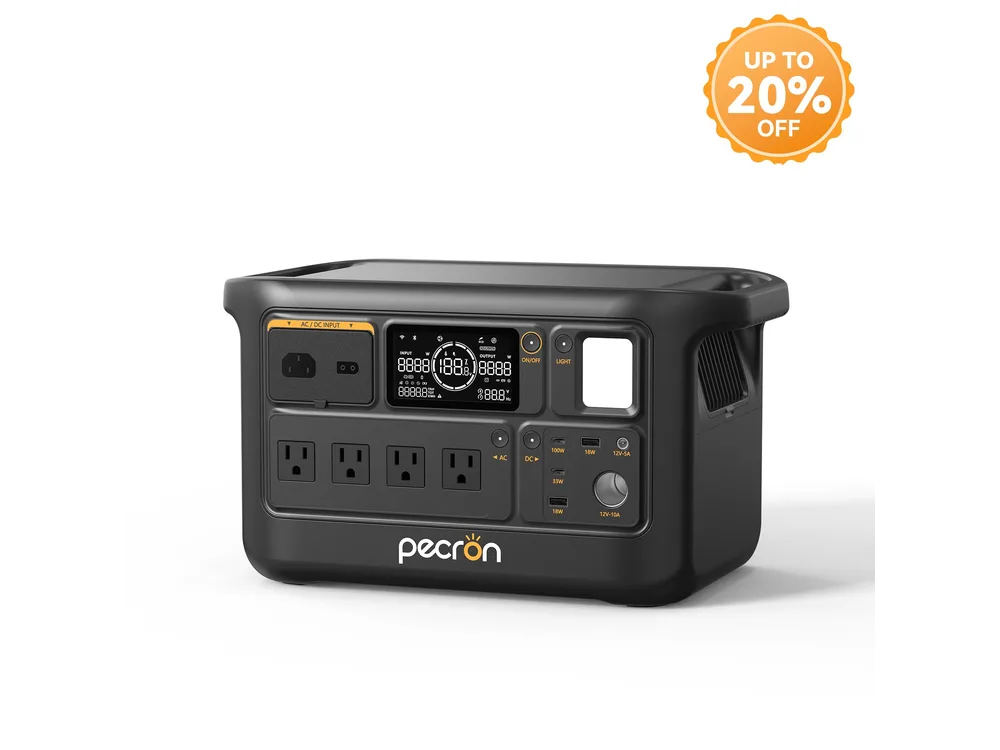
Why it is here: Lowest cost per watt-hour in this shortlist.
Who should skip it: Skip it if you want the cheapest watt-hours in this size; the value ranking has cheaper options.
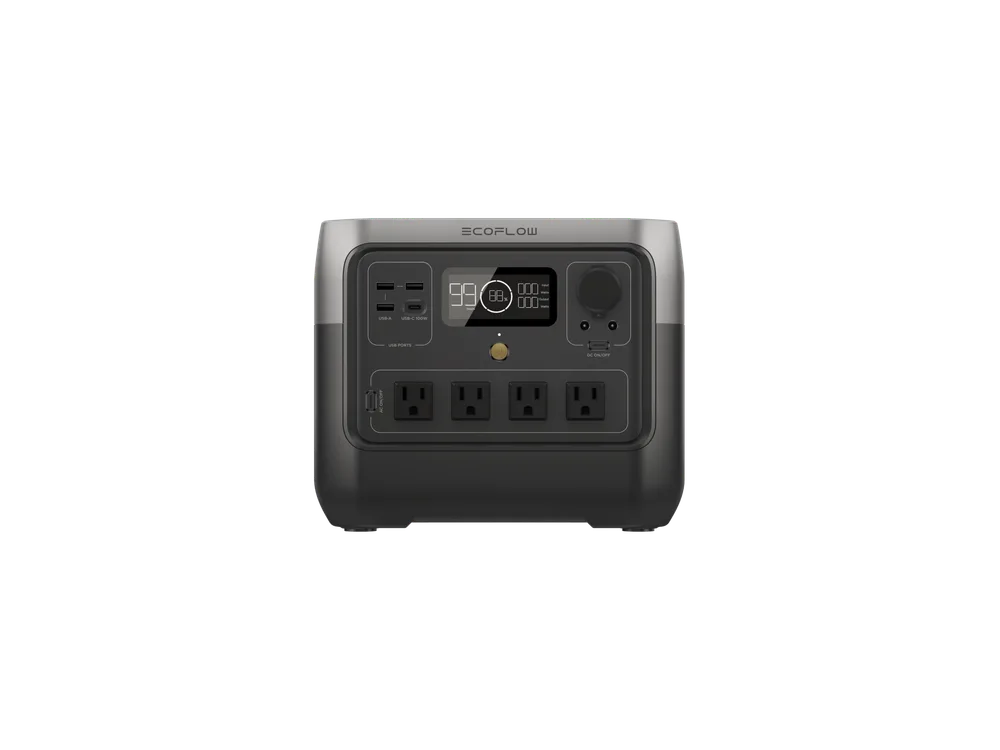
Why it is here: Lowest cost per watt-hour in this shortlist.
Who should skip it: Skip it if you want the cheapest watt-hours in this size; the value ranking has cheaper options.
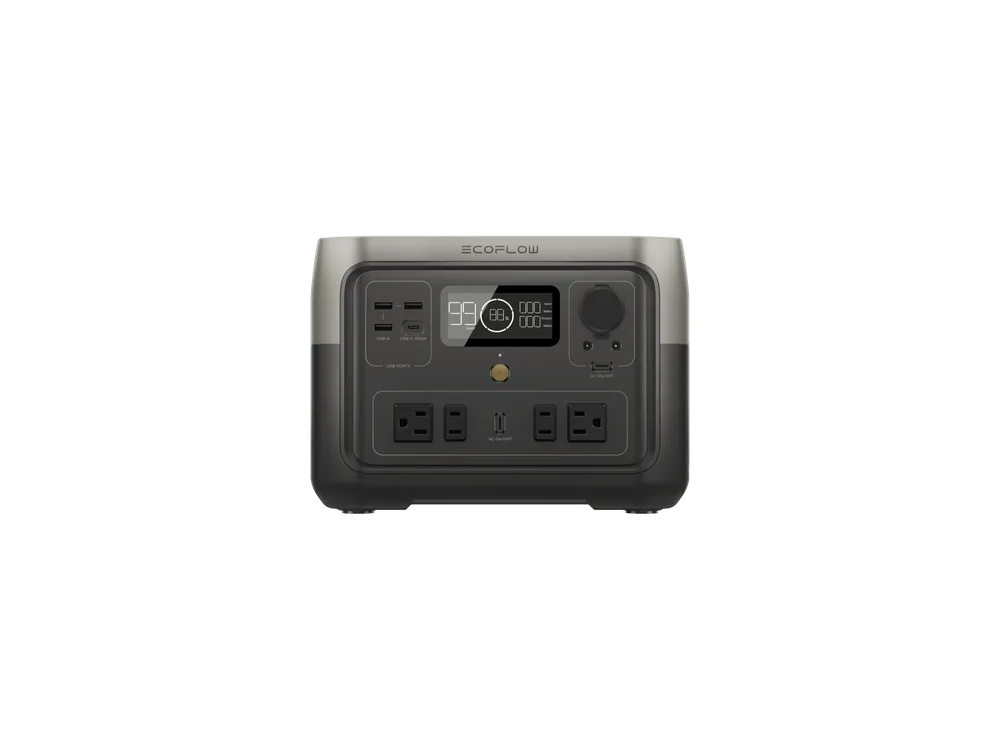
Why it is here: Lowest cost per watt-hour in this shortlist.
Who should skip it: Skip it if you want the cheapest watt-hours in this size; the value ranking has cheaper options.
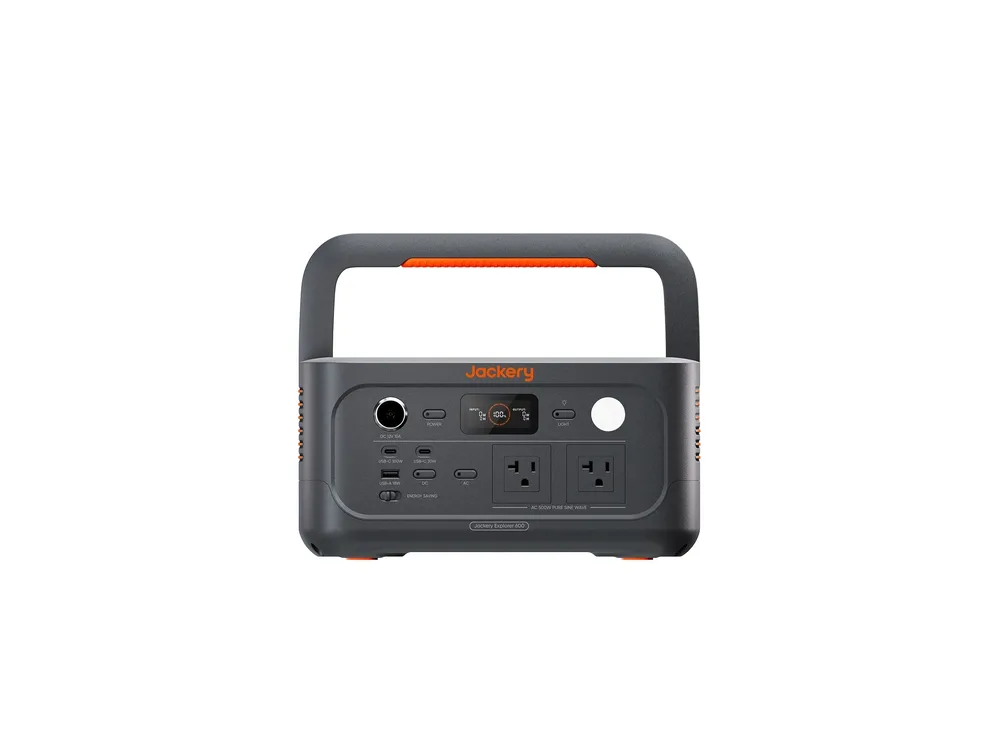
Why it is here: Lowest cost per watt-hour in this shortlist.
Who should skip it: Skip it if you want the cheapest watt-hours in this size; the value ranking has cheaper options.
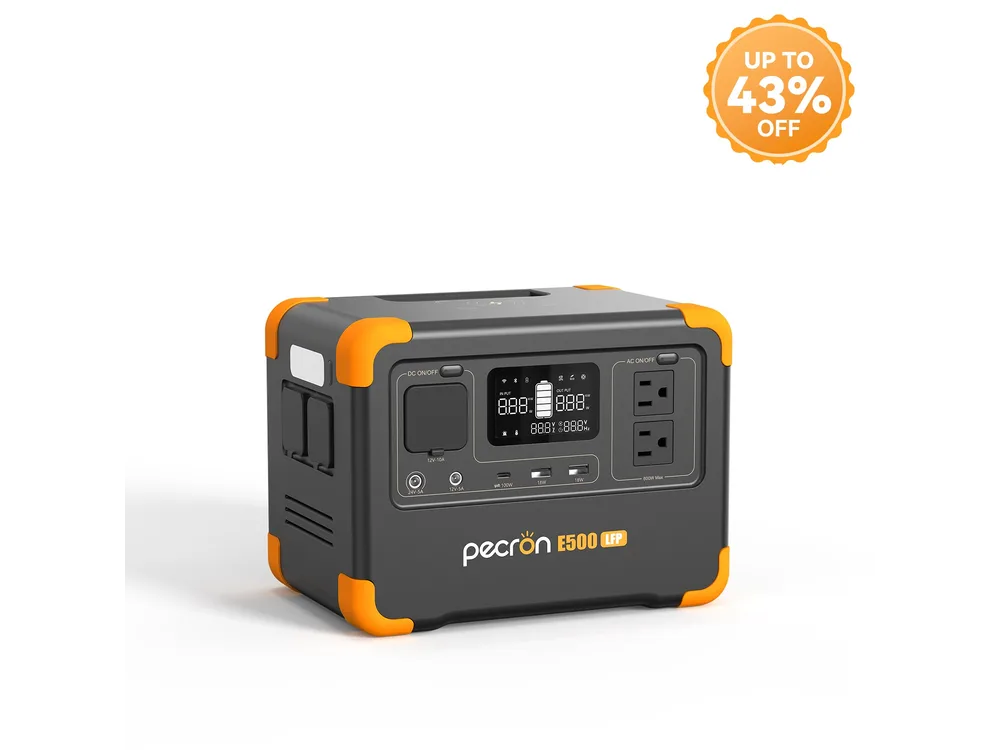
Why it is here: Lowest cost per watt-hour in this shortlist.
Who should skip it: Skip it if you want the cheapest watt-hours in this size; the value ranking has cheaper options.
This is a weekend band, not a backup band. Phones, a laptop, lighting, a camera battery charger and a 12V cooler all fit comfortably; a compressor fridge for a full day does not, and neither does anything that heats.
Cost per watt-hour in the small bands is usually worse than at the top, because enclosure, inverter and cabling costs are spread over fewer cells. The 500Wh class sits where those overheads have been amortised but the unit is still light enough to carry — which is why it is the most crowded band in the category and where the buyers are.
Units in this band are typically a one-hand carry, but watt-hours per pound still varies enough to matter if you are walking with it. The data cannot tell you whether a handle is comfortable; it can tell you which units are carrying dead weight.
If a fridge is on the list, or if the station will double as home backup, move to the 1,000Wh class. If it will only ever top up small devices, staying here saves money and weight.
For phones, lights, a laptop and a small cooler over a weekend, yes. Add a compressor fridge or a kettle and it is not, and you should be looking at the 1,000Wh band.
Typically 10–16 lb depending on chemistry and inverter size. LiFePO4 units in this band are generally heavier than NMC ones at the same capacity — the watt-hours-per-pound figure in the table above shows it.
For one night, usually yes, without a heated humidifier. Check your machine’s draw: roughly 30–40 W means around 300 Wh over eight hours.