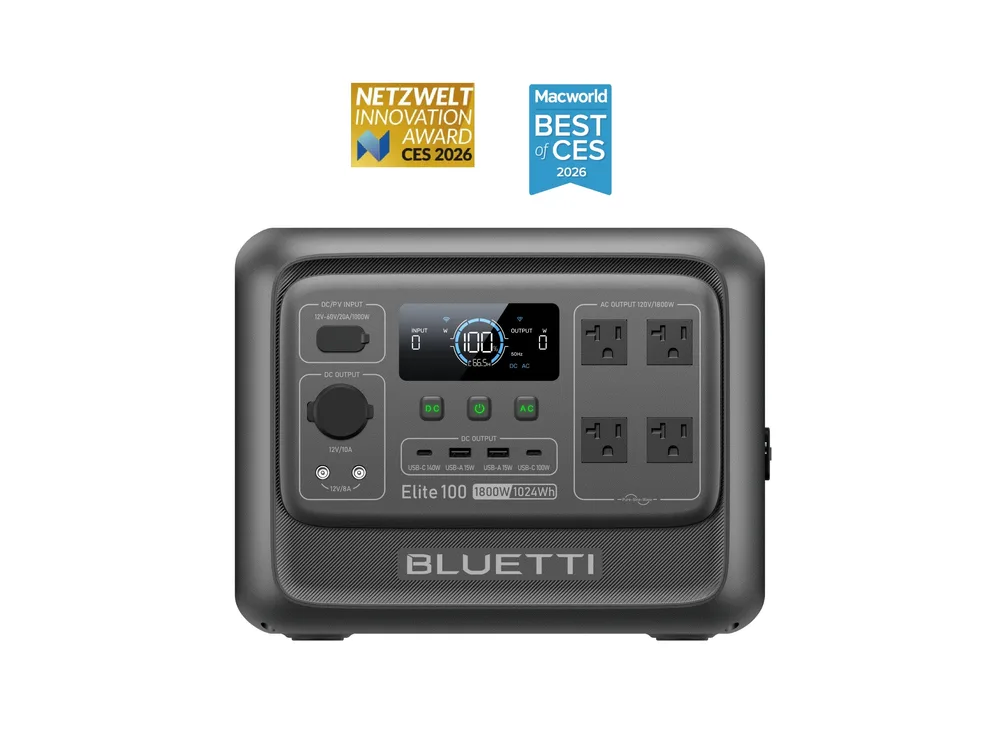
BLUETTI Elite 100 V2
Top of the ranking on this page, using the criteria below.
1.02 kWh · 1.8 kW AC · 25.0 lb · $0.47/Wh
Best of · 1,000Wh class
The 1,000Wh class is the most competitive band in the category: big enough for a fridge overnight, small enough to move, and priced where most buyers stop shopping. This list covers the models our dataset places between 1,000 and 1,500 Wh.
WattPicks does not test power stations, and this page does not claim to. Every specification, price and derived figure is read from the manufacturers’ own product pages; the ranking is computed from that data using the criteria stated above, not from first-hand use.
21 models in the dataset match this page’s scope, and 19 of them publish a list price, which is what the value figures need. Nothing here has been tested by us.
Top of the ranking on this page, using the criteria below.
1.02 kWh · 1.8 kW AC · 25.0 lb · $0.47/Wh
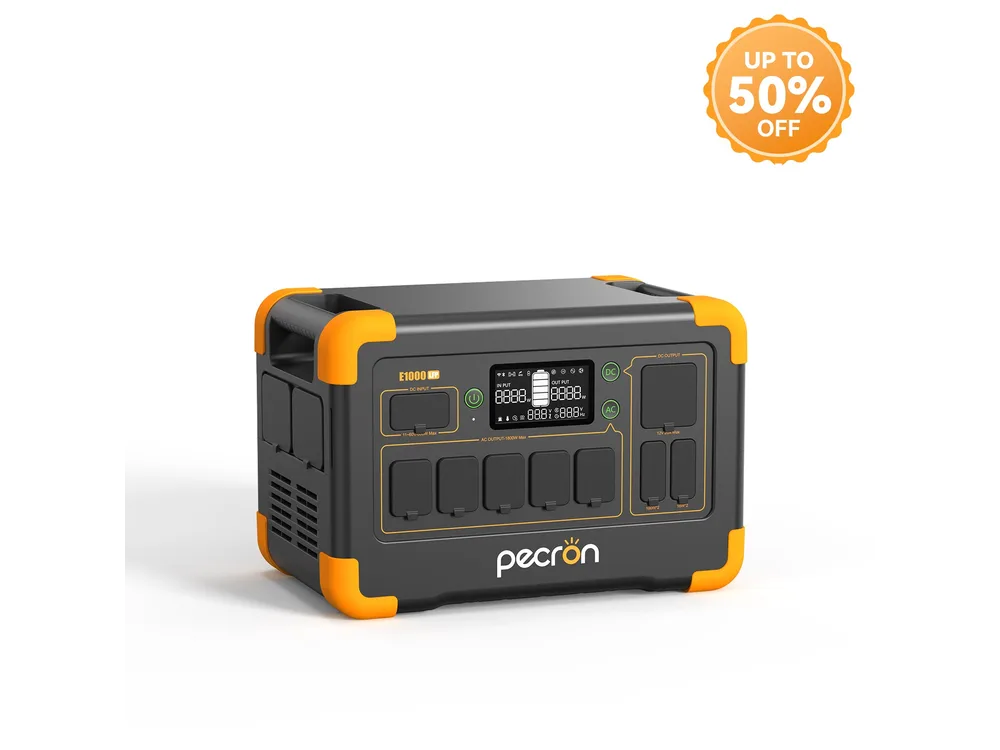
The lowest published list price in this shortlist ($399).
1.02 kWh · 1.8 kW AC · 29.0 lb · $0.39/Wh
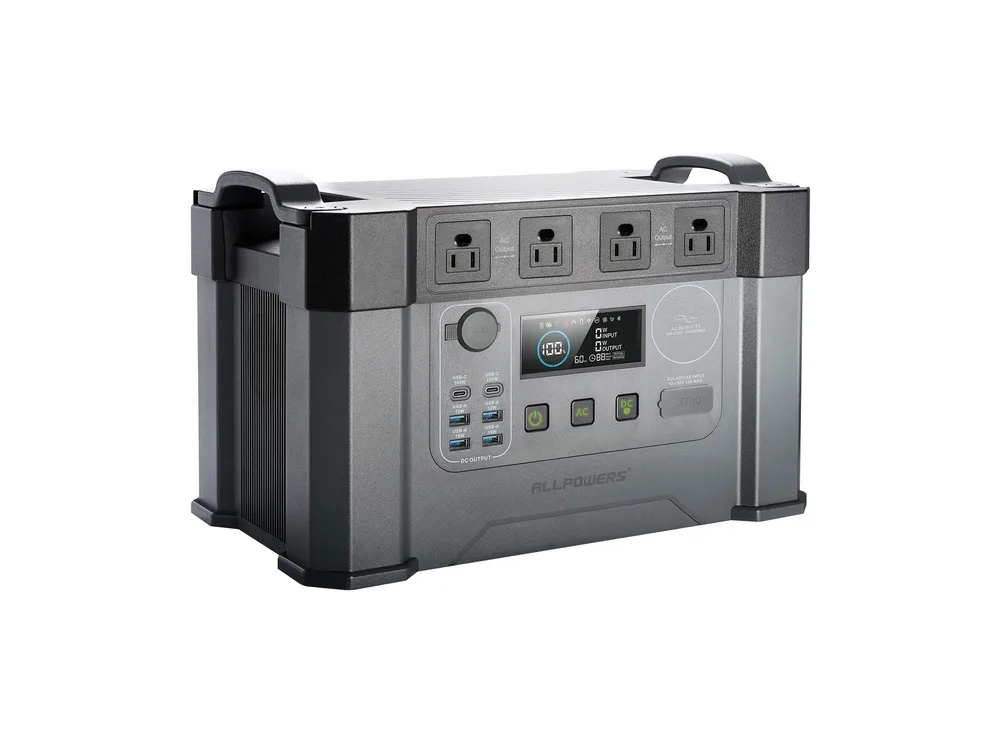
50.6 Wh per pound — the best in this shortlist.
1.45 kWh · 2.4 kW AC · 28.7 lb · $0.46/Wh
Every entry carries its trade-offs. They are computed by comparing the model with the others in its own capacity band, so they are statements about this dataset rather than opinions.
Why it is here: Lowest cost per watt-hour in this shortlist.
Who should skip it: Skip it if you want the cheapest watt-hours in this size; the value ranking has cheaper options.
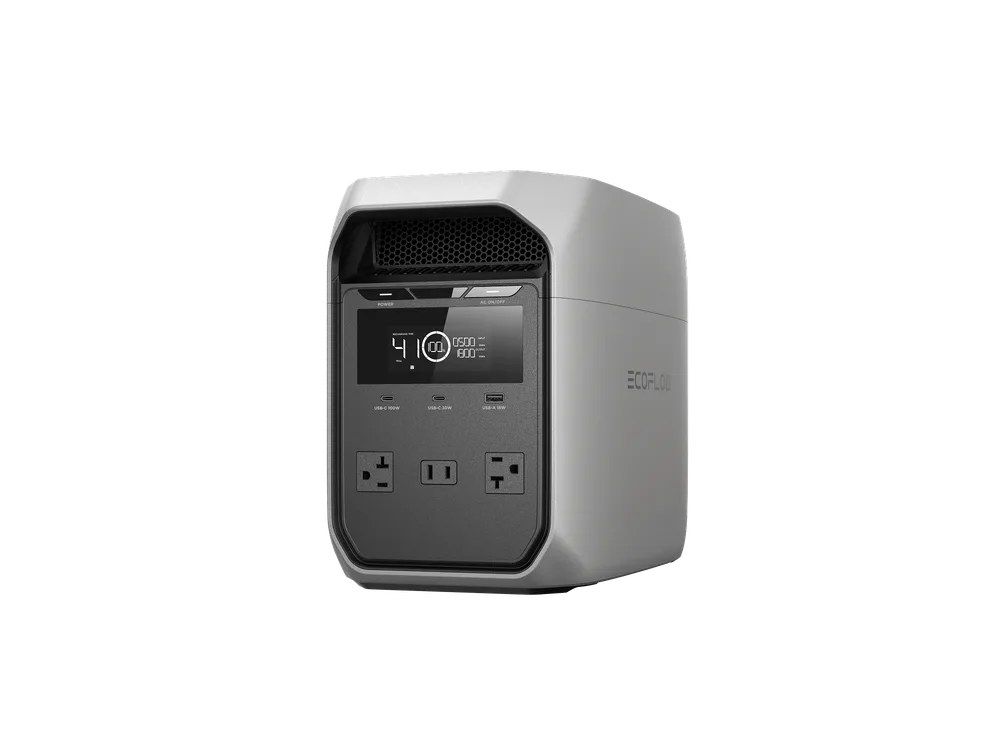
Why it is here: Lowest cost per watt-hour in this shortlist.
Who should skip it: Skip it if you want the cheapest watt-hours in this size; the value ranking has cheaper options.
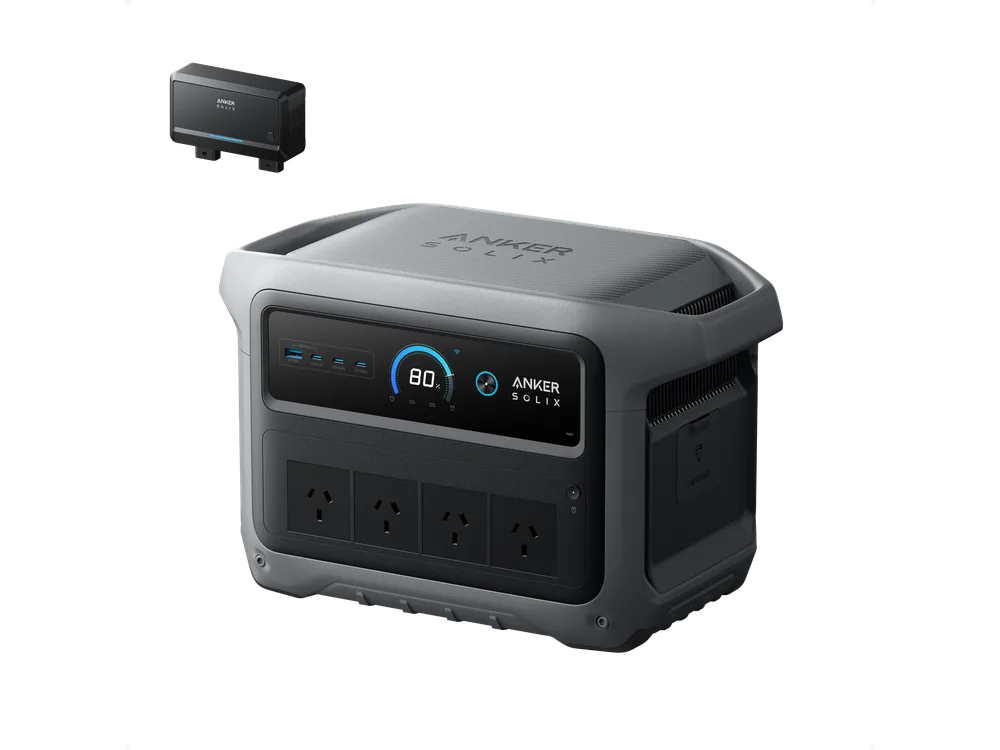
Why it is here: Lowest cost per watt-hour in this shortlist.
Who should skip it: Skip it if you want the cheapest watt-hours in this size; the value ranking has cheaper options.
Why it is here: Lowest cost per watt-hour in this shortlist.
Who should skip it: Skip it if you want the cheapest watt-hours in this size; the value ranking has cheaper options.
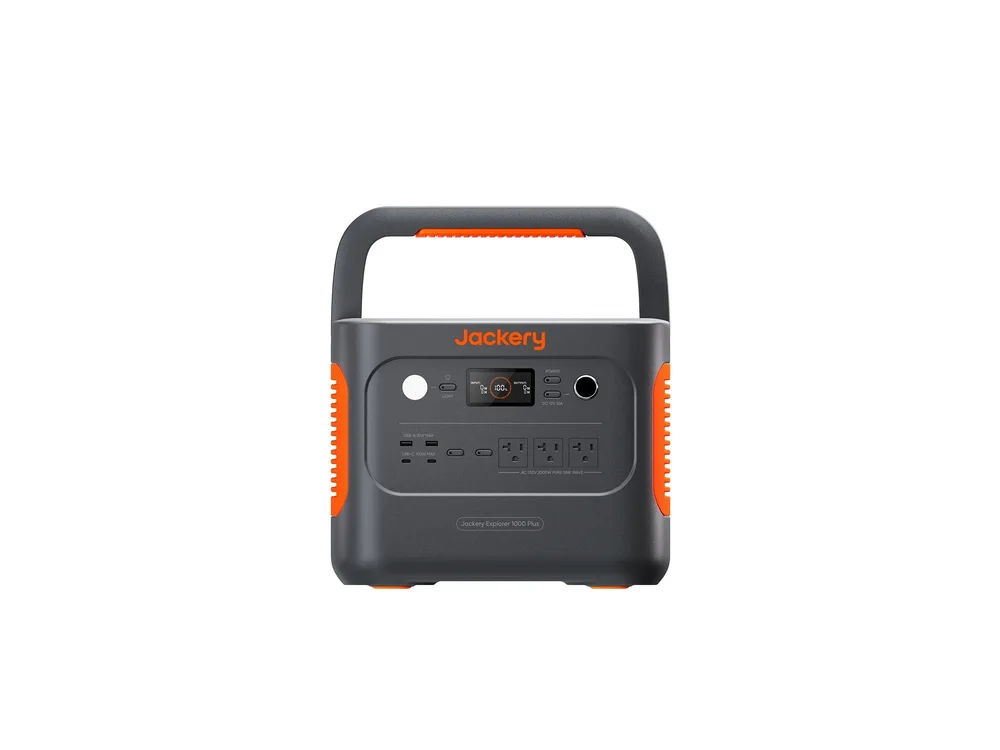
Why it is here: Lowest cost per watt-hour in this shortlist.
Who should skip it: Skip it if you want the cheapest watt-hours in this size; the value ranking has cheaper options.
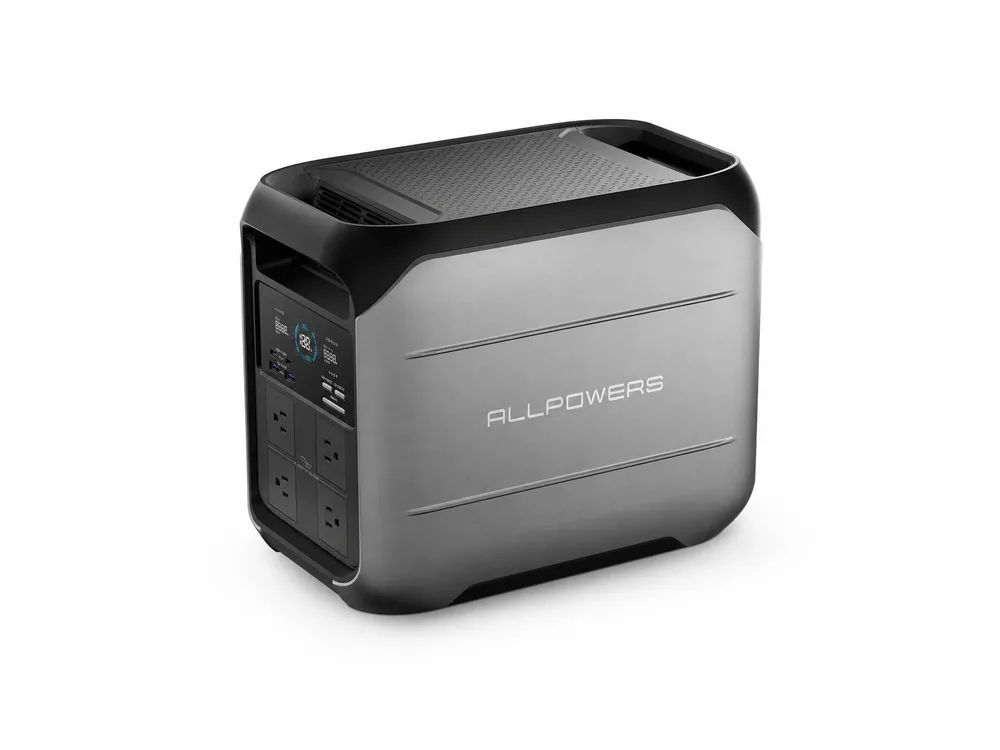
Why it is here: Lowest cost per watt-hour in this shortlist.
Who should skip it: Skip it if you want the cheapest watt-hours in this size; the value ranking has cheaper options.
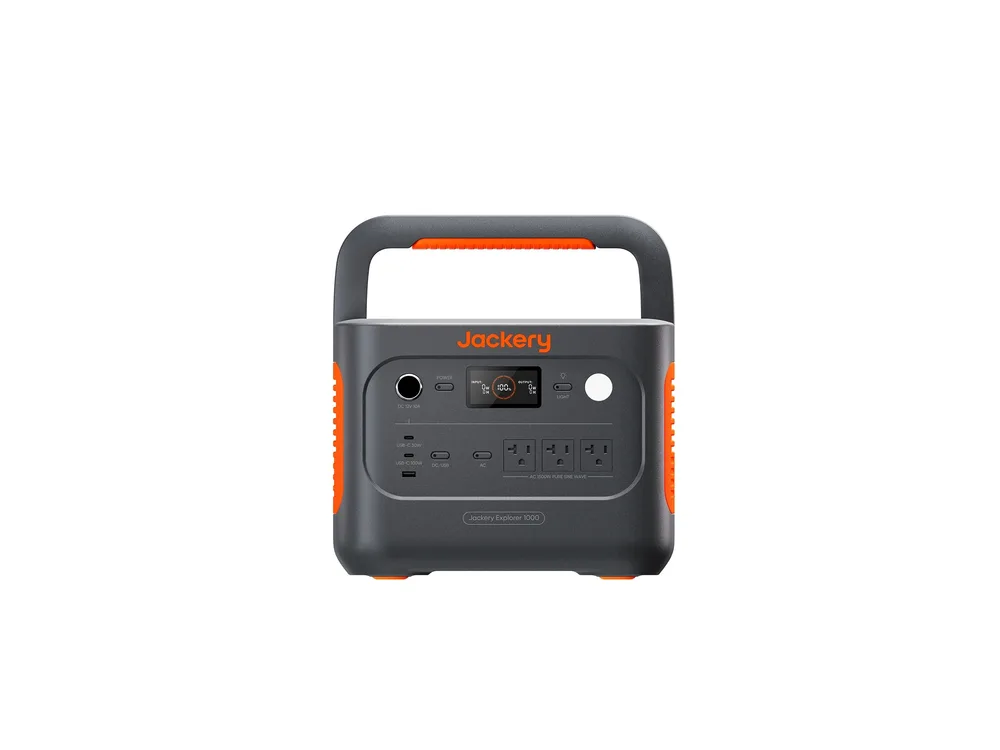
Why it is here: Lowest cost per watt-hour in this shortlist.
Who should skip it: Skip it if you want the cheapest watt-hours in this size; the value ranking has cheaper options.
Why it is here: Lowest cost per watt-hour in this shortlist.
Who should skip it: Skip it if you want the cheapest watt-hours in this size; the value ranking has cheaper options.
Capacity is energy, so the question is always "for how long". Assume roughly 85% inverter efficiency and about 90% usable depth of discharge: a 1,000 Wh station gives you roughly 765 Wh of usable AC energy before losses in the device itself.
At this size, weight is already a problem: 1,000 Wh of LiFePO4 is a two-hand carry for most people. Portability within the band varies more than the headline capacity suggests, so the watt-hours-per-pound figure separates units that look identical on a spec sheet.
Output varies too. Some units in this class publish inverters close to 2,000 W and some under 1,000 W, which decides whether a microwave or a sump pump is even a candidate.
A 1 kWh battery takes a long time to refill from a small panel. Compare the maximum solar input and the AC recharge time: the fastest units in this band refill from a wall socket in about an hour, and the slowest take most of a day. Off-grid, the solar ceiling matters more than a few hundred extra watt-hours.
Step down to the 500Wh class if you are carrying it and only powering small devices. Step up to 1,500Wh+ if the job is home backup or a fridge in hot weather, where the duty cycle is longer than the average suggests. The 1,000Wh class is the right answer when both of those are close calls.
A fridge that draws 60 W while running, cycling about a third of the time, averages around 20 W — roughly 480 Wh a day. A 1,000 Wh station covers about a day and a half of that in mild conditions, less in a hot room. Check the surge rating starts the compressor.
Usually, without a heated humidifier. A CPAP draws roughly 30–40 W, so eight hours is around 300 Wh. A heated humidifier can multiply that, so check your machine’s actual draw.
About 50% more runtime on the same load, and usually more weight and a higher price. If you are already near the limit of a 1,000Wh unit, the bigger one buys margin; if you are well inside it, the extra is unused.