
Comparison
Portable power station vs solar generator: what is the difference?
One term describes the box, the other describes how you plan to fill it. Understanding which one you actually need comes down to how you will recharge.
Every figure on this page is computed from the WattPicks dataset (107 models from 12 brands, all read from the manufacturers' own product pages). We do not test power stations, so nothing here is a measurement of ours.
The short answer
A solar generator is a portable power station plus photovoltaic input — sometimes with panels bundled, sometimes just rated for them. There is no separate class of machine. A given unit can be sold as either depending on the listing.
The meaningful distinction is not the name but the maximum solar input, because that caps how large an array is useful and therefore how fast you can refill off-grid.
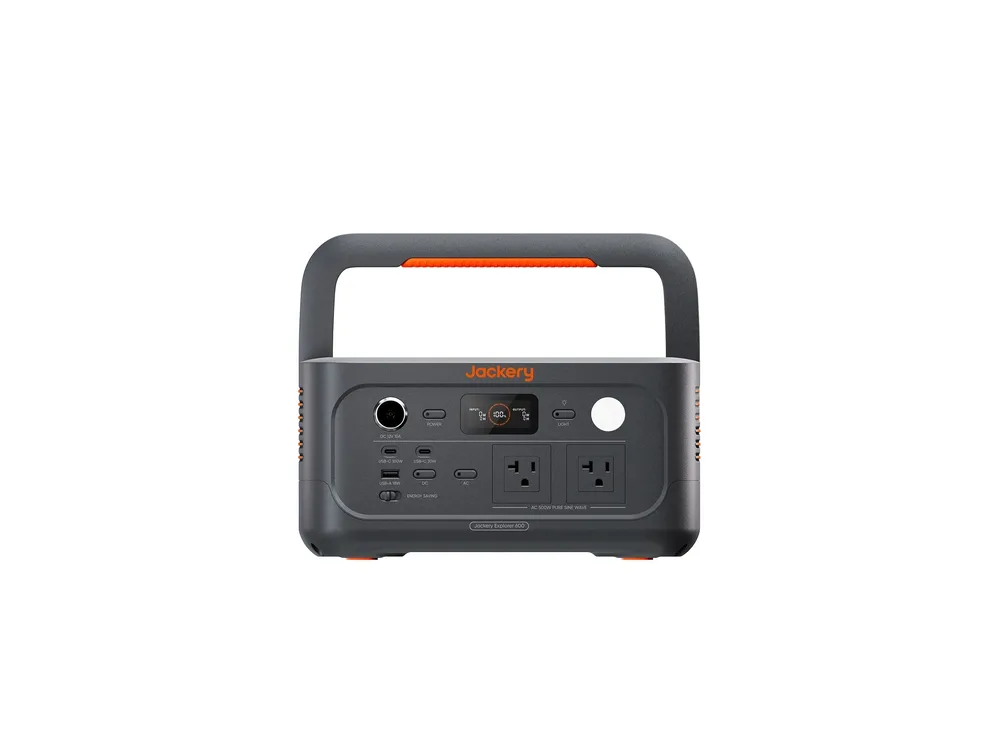
Why solar input is the number that matters
Of the 107 models we track, 83 publish a maximum solar input figure. The spread is wide even at the same capacity, and it decides whether a cloudy day is an inconvenience or the end of your trip.
A high solar ceiling with a modest battery can refill faster than a large battery with a low one. Pairing a big station with a small panel is the most common expensive mistake in this category.
When a panel bundle is worth it
If you are mostly car camping with access to mains power, the panel is money better spent on capacity. The honest test is whether you would otherwise be unable to recharge.
- You will genuinely be off-grid for more than a day at a time.
- The bundled panel’s wattage is close to the station’s input ceiling — otherwise you are paying for panel you cannot use.
- You want one purchase rather than matching connectors and voltages yourself.
Frequently asked
Do I need solar panels with a power station?
Only if you will be away from mains power long enough to need recharging. For weekend trips with a car, charging before you leave is usually enough.
Is a bigger panel always better?
No. The station’s maximum solar input caps what it can accept, so panel wattage beyond that ceiling is wasted. Match the panel to the input rating.